The concert may end at 11.15 pm, but there are thousands of people who are all making their decisions at once. They will be looking for exits, booking e-hailing cars, heading to train stations, trying to find friends, and making their way to car parks. For organizers considering event security Malaysia, this is one of the most important moments to plan for.
This could be one of the hardest times for an organizer.
This is an important consideration for Malaysia in 2026. Visit Malaysia 2026 has an event schedule of more than 300 events throughout the country, while the Kuala Lumpur City Council has also reduced the security deposits for concerts and cultural events since May, to attract more cultural events to the capital city.
More events mean more possibilities for tourism and entertainment. Organizers have also become increasingly aware of crowd movement into and out of events, making it an important part of security considerations.
Admission and departure are different security problems
Entry procedures tend to be quite routine.
Guests usually arrive over a longer period. Tickets are verified, forbidden things are examined, queuing can be divided and people come in slowly to the venue.
The exit process is much more concentrated.
A large portion of the crowd might want to leave within 15 to 20 minutes. Some would head towards car parks, while others would wait for their taxis or public transport. Stalls start to close. Even though the operations of the program have come to an end, there could still be a need for temporary barriers.
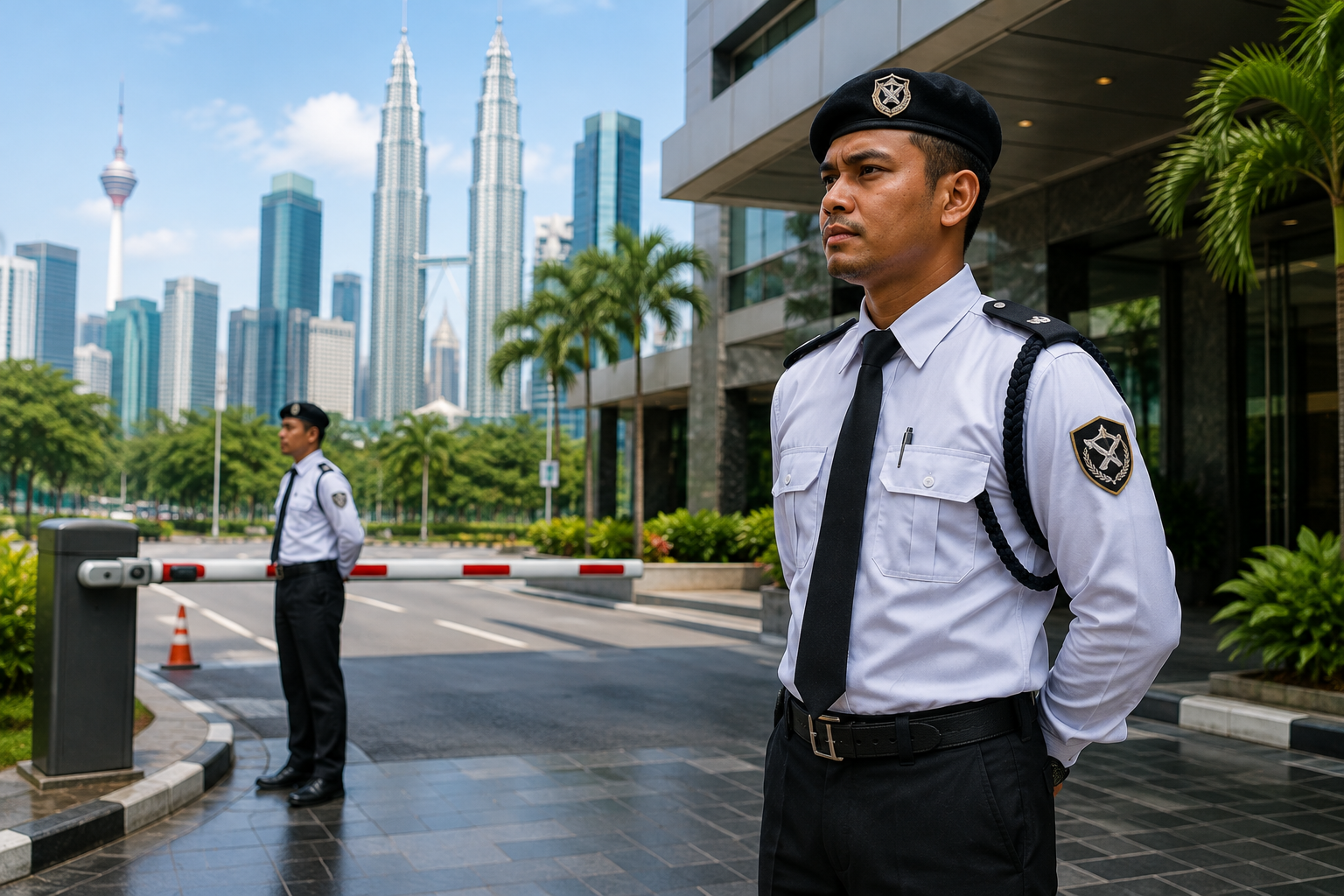
This is why organizers should consider working with experienced providers of event security Malaysia, not only for gates, bag checks and guards but also for managing the event’s exit process.
Recent Malaysian events underline the point
Rain Rave 2026 in Kuala Lumpur is one example of large-scale event planning in Malaysia.
In May, roughly 30,000 people participated in the closing event at Bukit Bintang. Although it was a three-day event, police reported that crowd control and traffic management were maintained throughout, with 500 officers deployed every night.
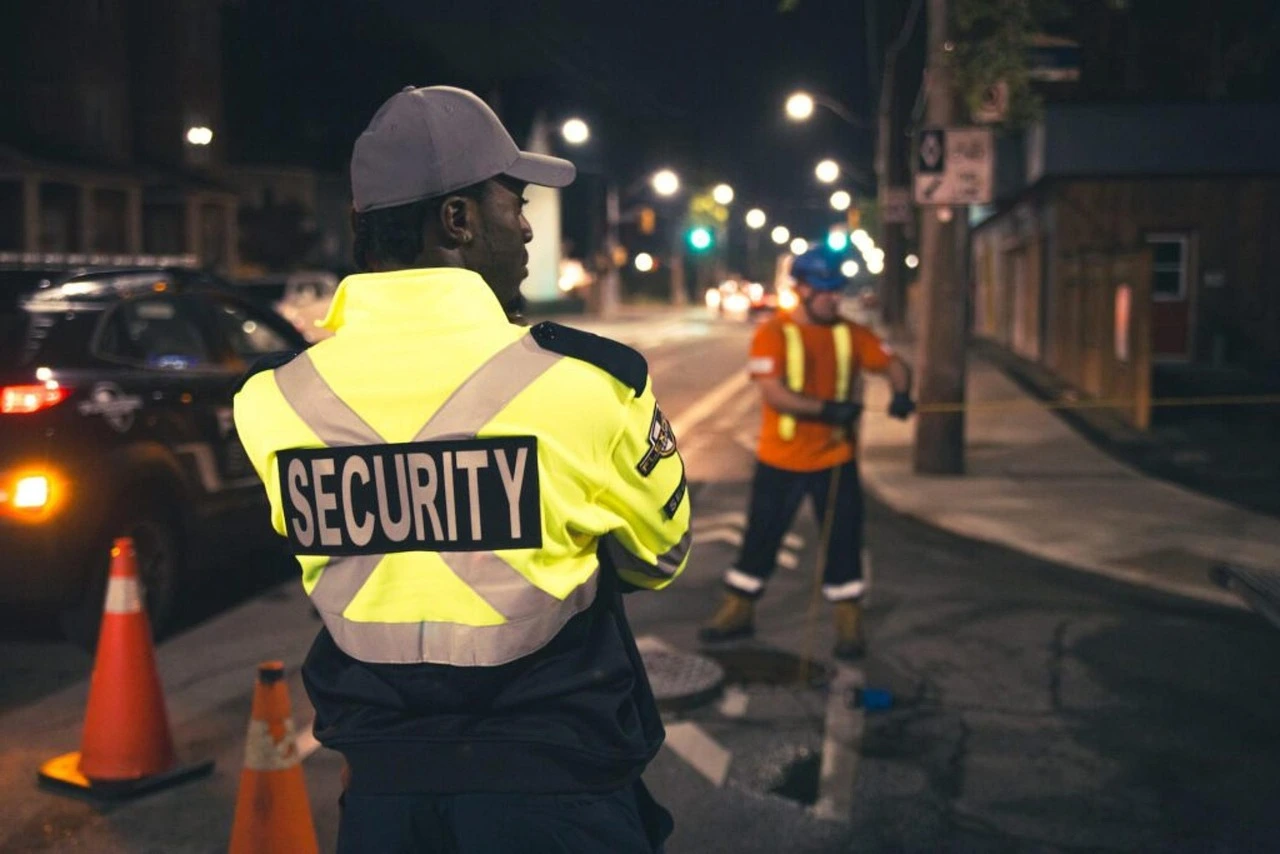
Traffic management is also an important part of event security. Event security does not consist solely of securing the area surrounding the event, as planners must also account for normal road users such as taxis, buses and emergency services.
There was also a more recent case involving the RXZ Members programme held in Terengganu. In the wake of rising traffic fatalities during the event, road safety advocate Shahrim Tamrin called for the inclusion of projected participant numbers, main routes into and out of the event, ambulance positions, emergency response stations, and communication in the risk management plan.
The event is not a music concert, but the planning philosophy remains the same: people remain a risk factor for organizers as they move around the event environment.
Treat exits as routes rather than doors
An emergency exit point and an expected exit route after an incident can differ.
Organisers have to understand the whereabouts of individuals after crossing the venue’s perimeter.
A practical departure plan can identify:
- which exits serve different sections of the audience;
- routes towards public transport and car parks;
- designated e-hailing and taxi collection points;
- areas where pedestrians and moving vehicles could conflict;
- locations that should remain clear for emergency access;
- lighting and signage required after the programme ends.
However, the ASEAN MICE Venue Standard has a number of elements related to crowd management and evacuation, as well as security personnel, fire exit routes and emergency plans.
These factors should be considered before finalizing the temporary fencing, stage areas and vendor booths.
Do not remove resources too quickly
Yet another danger is that the activities of the event start winding up while people are still present.
Staff might begin packing equipment. Vendors would pack up and stop working. Some security staff members might be reassigned to other tasks. Yet people may still be using toilets and waiting for transport at car parks.
The staff planning should therefore take into account the real end time of the dispersal and not the advertised end time of the event itself.
When planning security for an event that finishes at 11pm, organizers should not ask only, “How many guards do we need until the concert ends at 11pm?” The organiser needs to assess the time required to wind up the site and its surroundings.
This will vary greatly for a small conference taking place in a building and a large open-air event with 20,000 people in attendance.
Medical planning also continues after the performance
Once the crowd starts dispersing, people may still experience heat, exhaustion, dehydration or sickness.
Consequently, the medical services will need to be on standby for the event dispersal, particularly if it is big enough.
There should also be clarity about the duties of the team in the plan of action. The security personnel will have to know where the incident report has been lodged and how to contact the medical team.
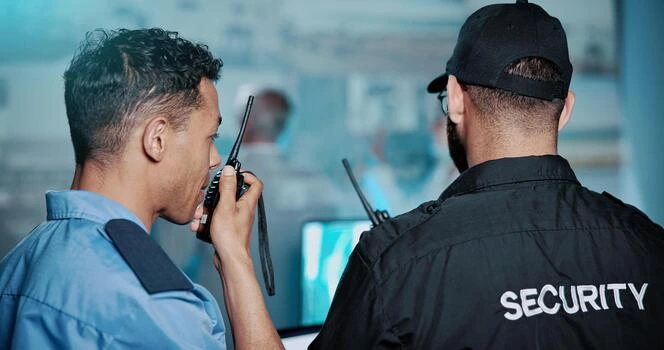
The importance of communication cannot be ignored when temporary, event, security contractor, and government personnel are all working together.
Ask the provider to describe the last 30 minutes
One way of assessing an event security malaysia provider is to ask them to describe how they managed the final 30 minutes of their most recent event.
How many guards need to be stationed? What barriers still remain? What modes of transportation will participants use? How are the car park and any exterior footpaths monitored? What if one of the exits is blocked?
These questions could be more valuable than simply asking how many guards are needed.
As the number of festivals, concerts and public events scheduled in Malaysia grows, more people will occupy the same spaces on a regular basis. If the security is well planned, people will feel safer attending the event and experiencing the program without worrying that the exit has been overlooked.
For organizers evaluating event security Malaysia, the event finishes when participants reach the next stage of their journey, not necessarily when the microphone stops working.