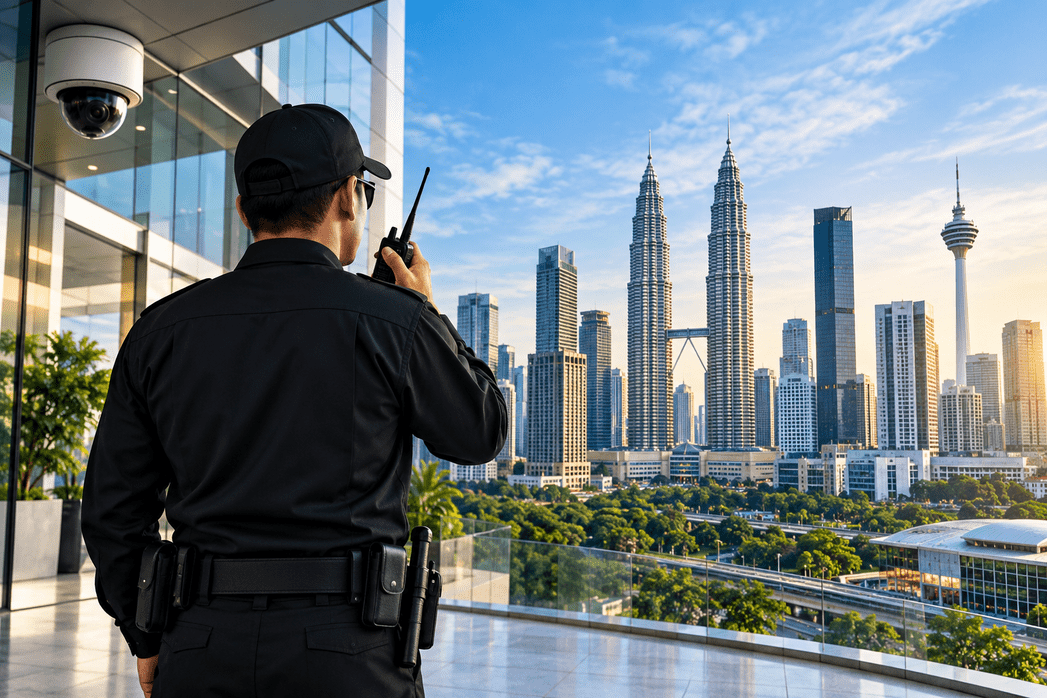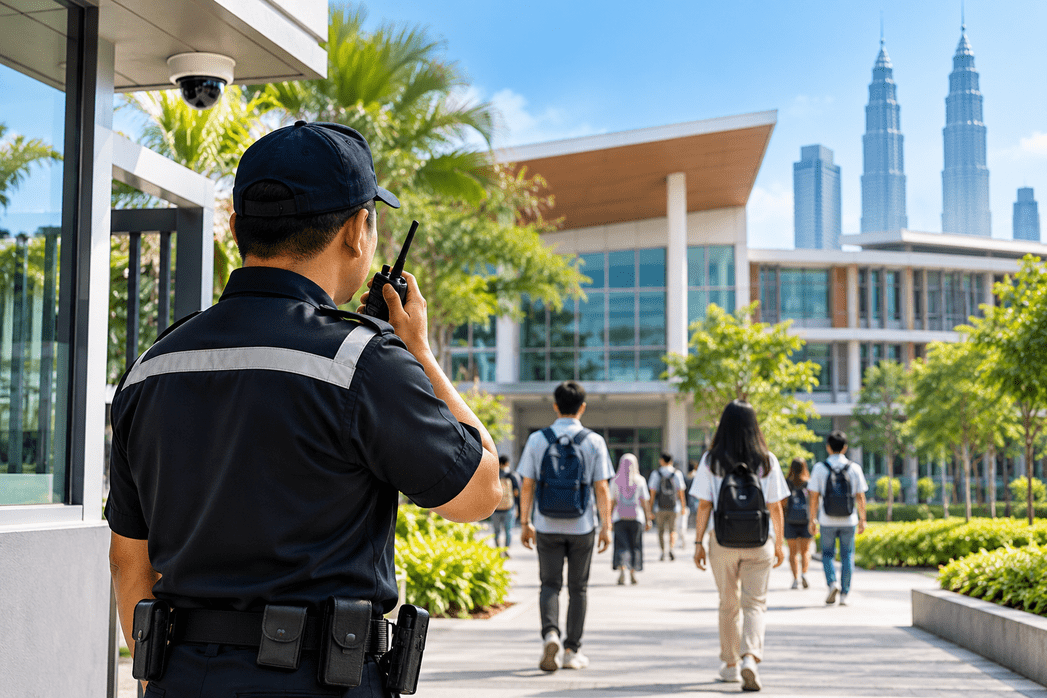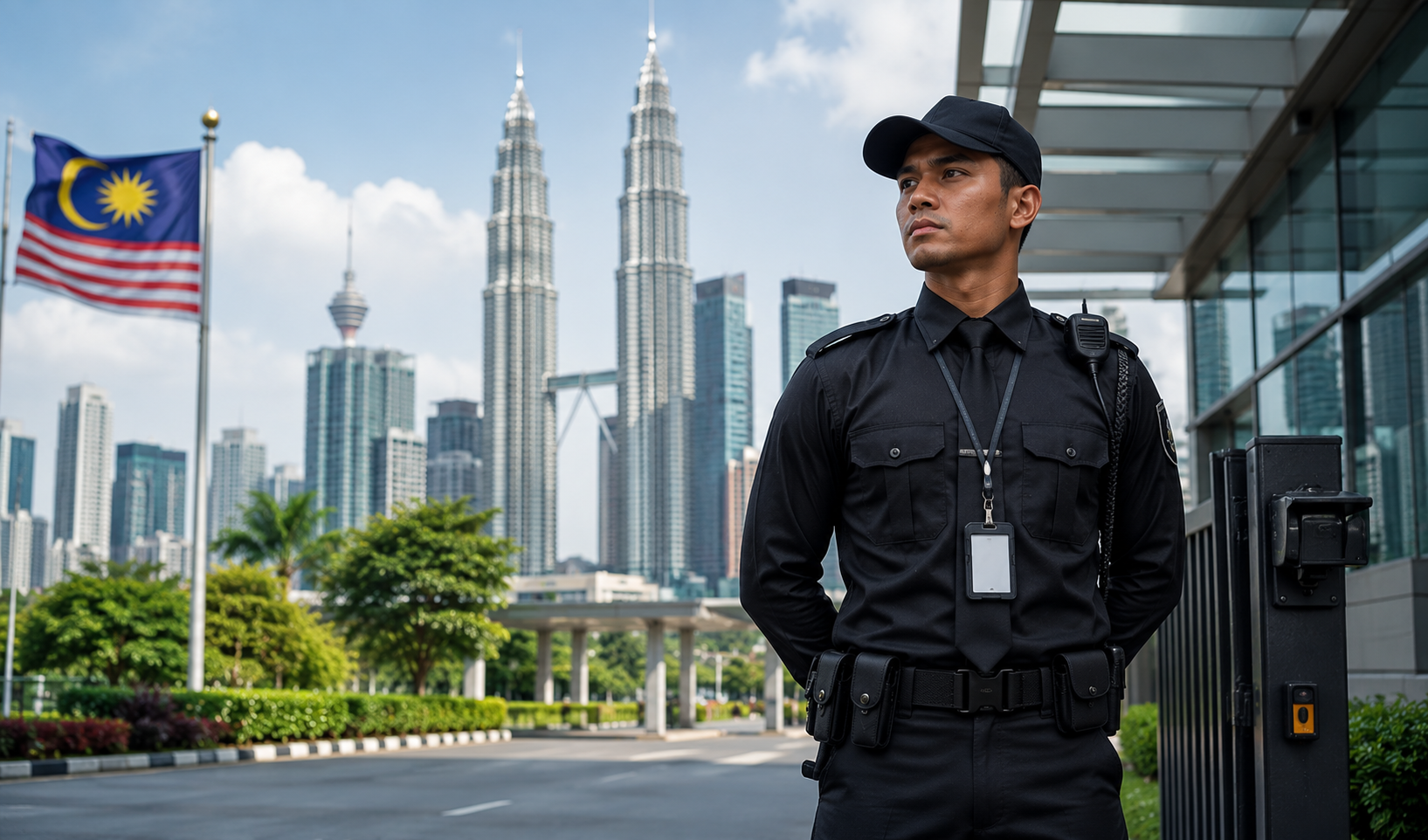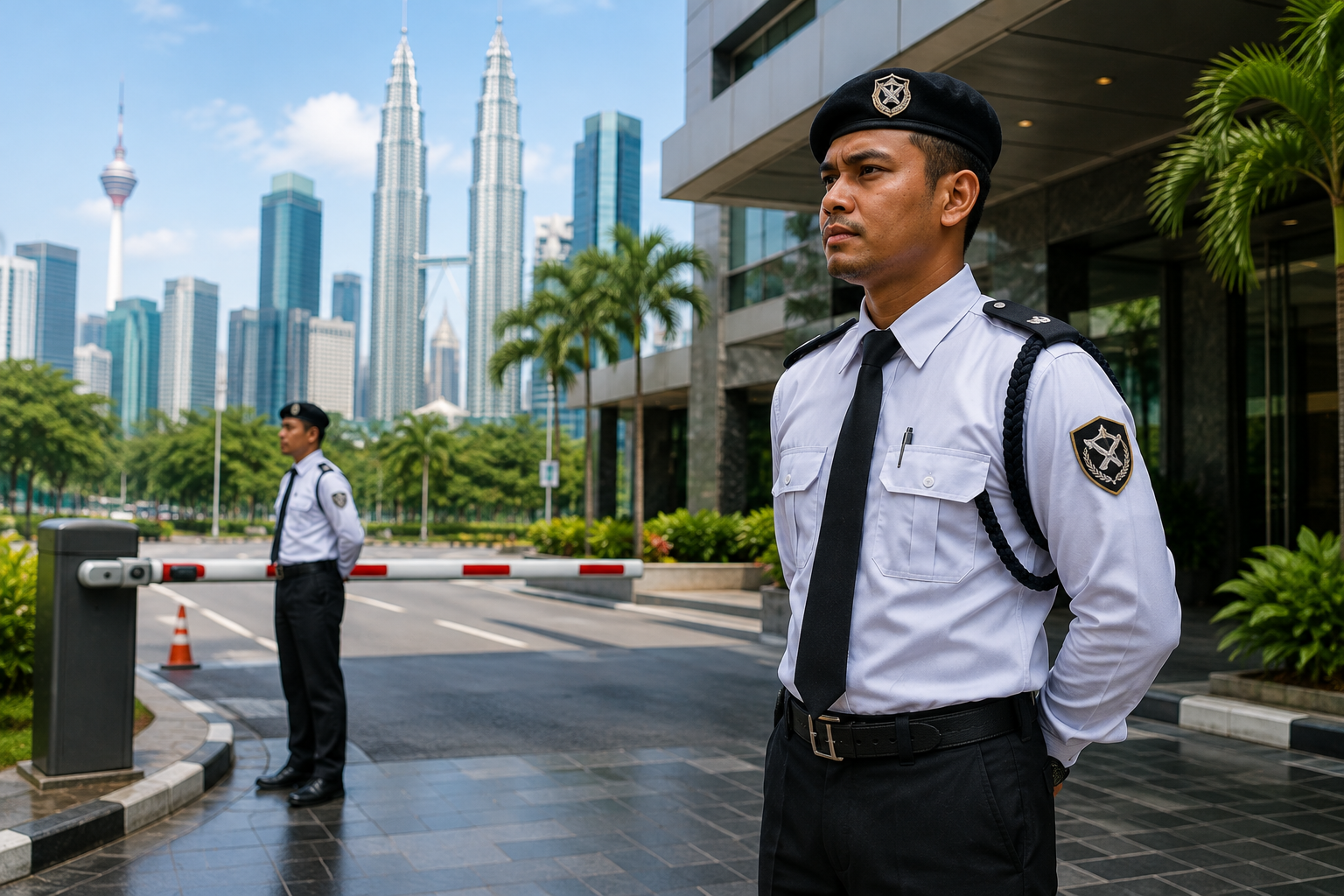

To provide safe and secure environments, whether residential, commercial or industrial, there must be organization, professionally controlled solutions. The increasing complexity of global risk environments has pushed the organisations, as well as property stakeholders, to seek a predictable, frontline protection with the potential to deter risks, control access and deal with an incident that would act as an efficient deterrent to a security threat. Professional security guard services provide personnel that are trained, regulated and accountable; their presence is the cornerstone of elaborate physical protection systems. Their usability in various operational contexts is indicative of a general appreciation that professional protective staff are a crucial investment in safety, continuity and organisational stability.
The complete picture of the Guard Deployments.
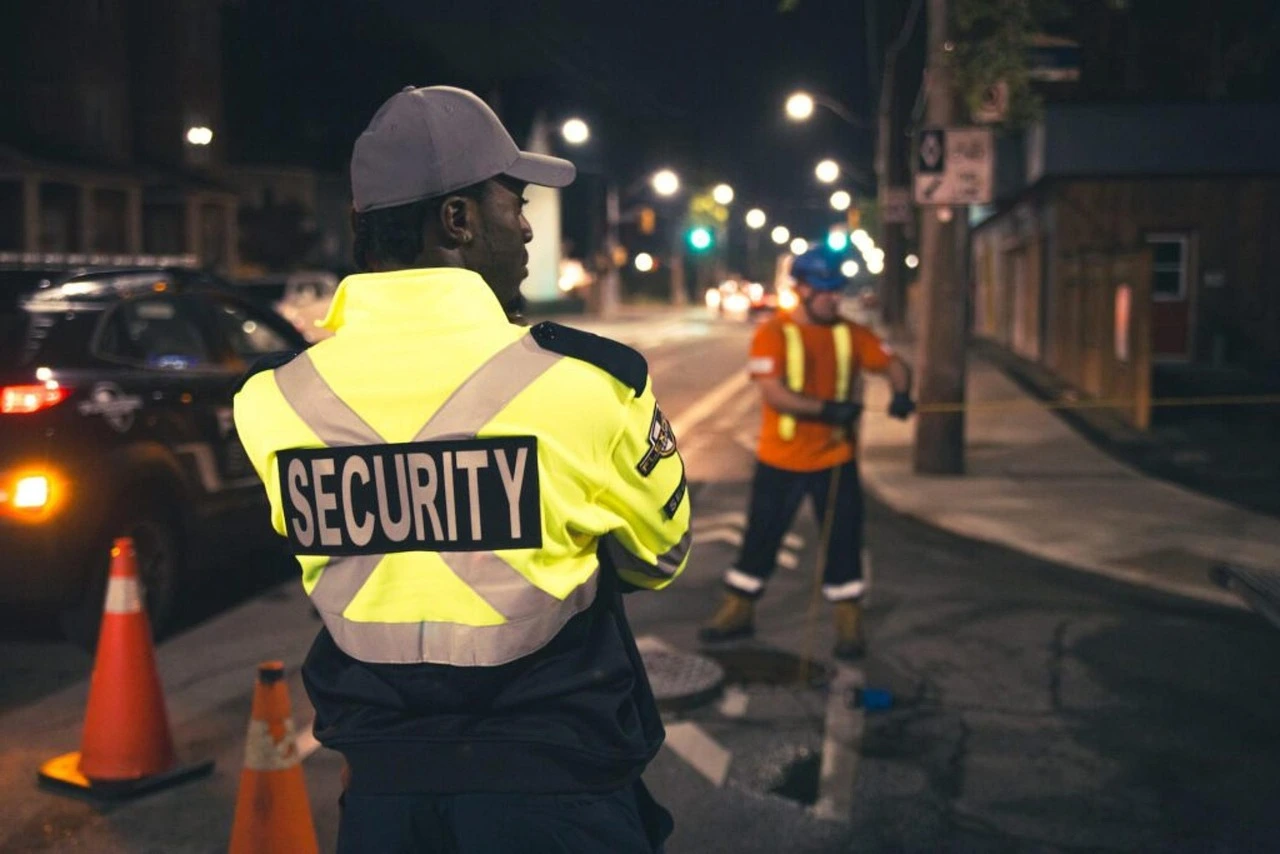
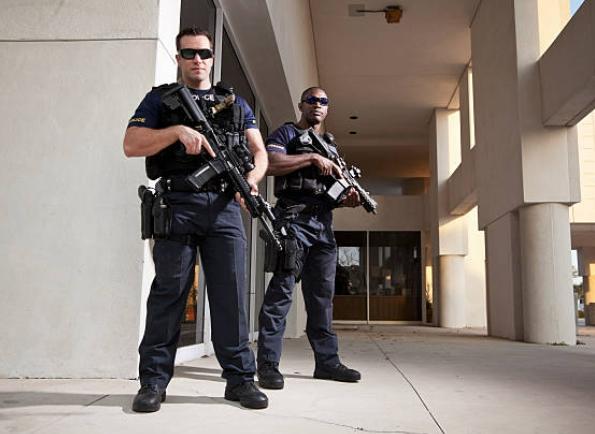
The deployment of professional guards goes way past standing at the doors. They have trained staff that handles the access control management, visitors screening, patrolling the perimeter, surveillance, emergency response control, and extensive reporting of incidents. Using systematic inspection routes, mobile patrol units patrol large areas or more than one location at once, and at most points of concern, they provide a nonstop layer of defense, with the position of the remaining state guards. Specialised deployments – such as event crowd control, executive and critical infrastructure protection require higher levels of competency to meet the unique complexities of those operations. This wide range of deployment choices so that protective arrangements can efficiently be tuned to the risk profile of a particular client.
Industries That Depend on Professional Protective Services.
Professional protective officers play their invaluable roles in all business sectors of the world and they are the ones who are involved in the businesses. Retail outlets need observable deterrence techniques that reduce theft and yet maintain customer friendly atmospheres. The manufacturing and industrial establishments focus on perimeter security operation, assets protection, and the safety management of employees. Healthcare campuses require low profile, caring staff who can handle delicate circumstances in a professional manner. Schools need to have safeguarding systems that have accessibility and quality security. Residential communities desire regularity of noticeable deterrence and effective visitor controls. Individual sectors have unique challenges in which professionally-trained guards are prepared to respond with individual, contextually suitable protection strategies.
Rules and Licensing of Staff.
Security guard services are conducted by professionals who work under regulations that provide a mandatory licensing, training and conduct standards that regulate the participants in the industry. Accredited suppliers require that all deployed individuals are equipped with recognised certification programmes which would include emergency techniques, access control measures, limits of legal conduct, as well as professional communication requirements before any assignment. Comprehensive pre-employment screening, background checking and competency tests, go even further to guarantee the integrity and reliability of the personnel. Regulatory compliance is the key difference between legitimate and unqualified profession providers and offers its clients legal responsibility, competency certification, and the assurance that the deployed professionals can satisfy national or regional industry standards holistically.
The Complementary use of Technology in the Current Guard Operations.
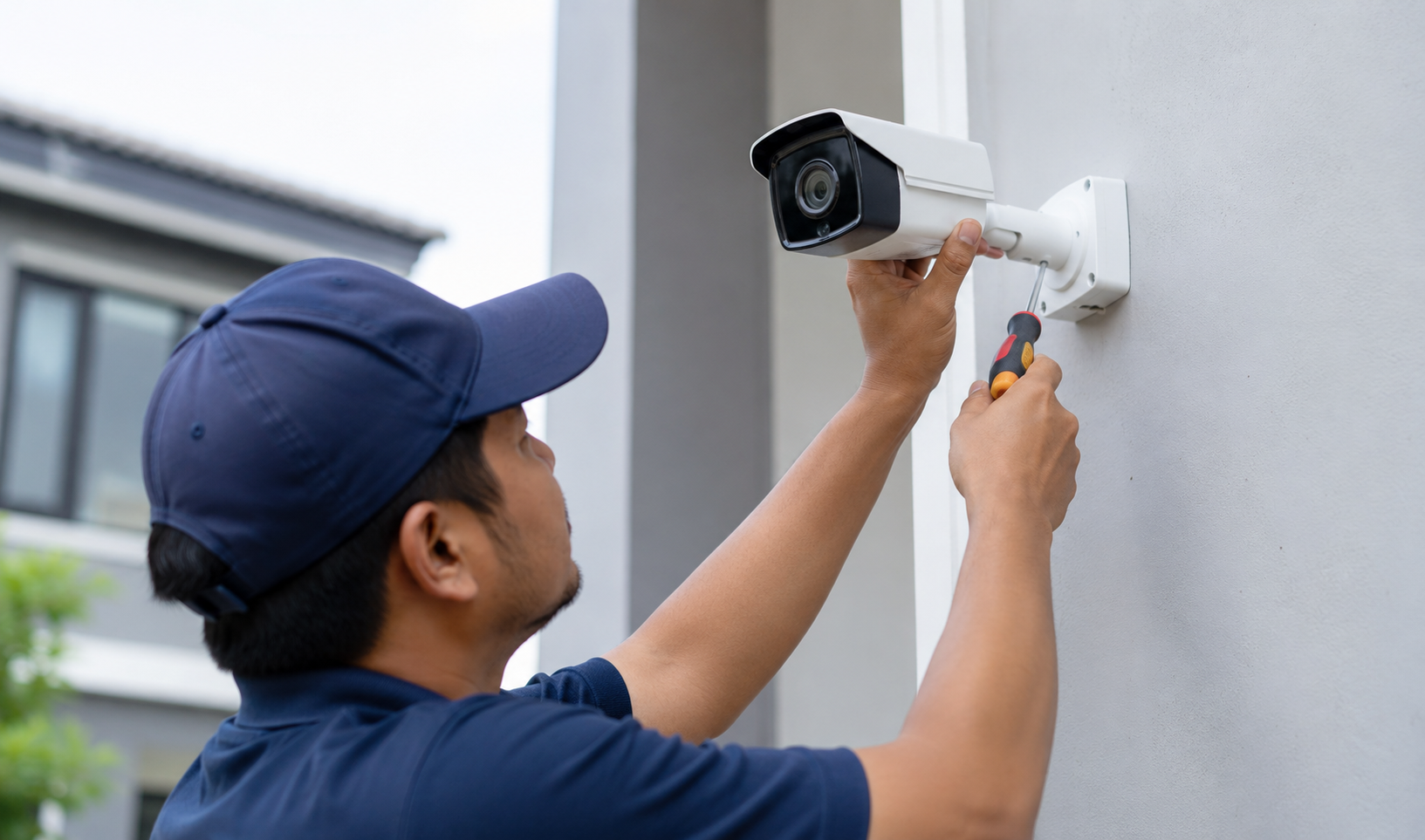
Modern guard tasks are becoming more and more related to the use of innovative technological resources aimed at improving the performance of personnel and accordingly their operational responsibility. Patrol monitoring through GPS tracked surveillance and electronic surveillance cameras offer twenty-four-hour visual cover of secured areas and offer verifiable proof of route coverage to management teams. With digital incident report systems, all events can be recorded in real time and with high accuracy, thus generating an effective audit trail that can be accessed on a later date. Control access technologies will be put in place to manage entry points at high levels of accuracy augmenting human judgment with automated verification of people. This combination of technology and well-trained staff builds the protective systems on multilayers that provide higher general effectivity than human regulation or technological systems would have done, on their own.
Supervision Systems that provide uniform quality of service.
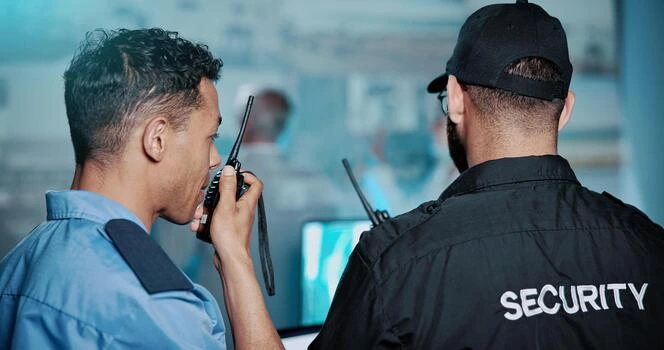
Effective protective operations rely on sound supervisory structures ensuring the same performance level in all deployments. Structured hierarchies of professional controls are realized by the work of professional providers who periodically inspect the sites, analyze performance, and verify patrols, which ensure quality of performance. Proper escalation procedures also make sure that incidents are addressed accordingly and reported to the respective stakeholders in time. Clear reporting systems to clients give verifiable information with regard to compliance of operations as per the contract. Such supervisory systems make individual guard performance to turn into harmonized, answerable protective activities that clients can count on to produce uniform safety results across the term of service contracts.
Conclusion
The need to have safe, secure working environments makes professional protective staff to be a critical operational need no matter the industry or area around the world. Through thorough security guard procedures, experienced, managed, and responsible frontline security services that protect property, foster order, and give real peace of mind to organisations, institutions and communities. Investing in professionally managed protective mechanisms projects a mature, forward-looking risk aversion to security – a risk management effort that prevents crime, promotes continuity to operations, and guarantees the people and assets are holistically secured in a global context that is ever more complex and risky.