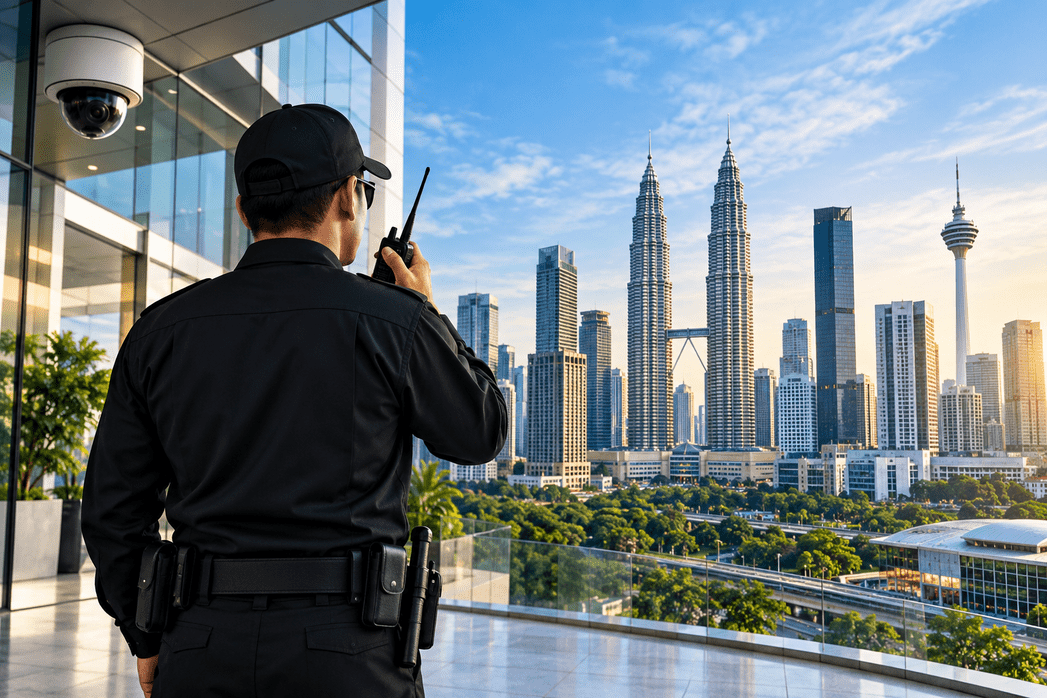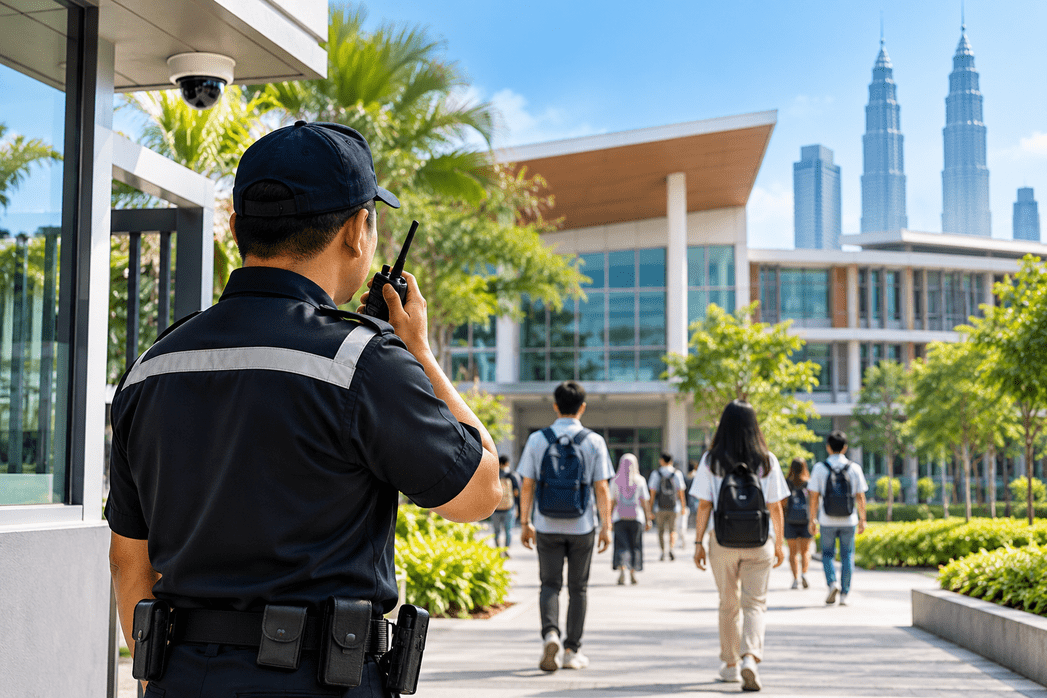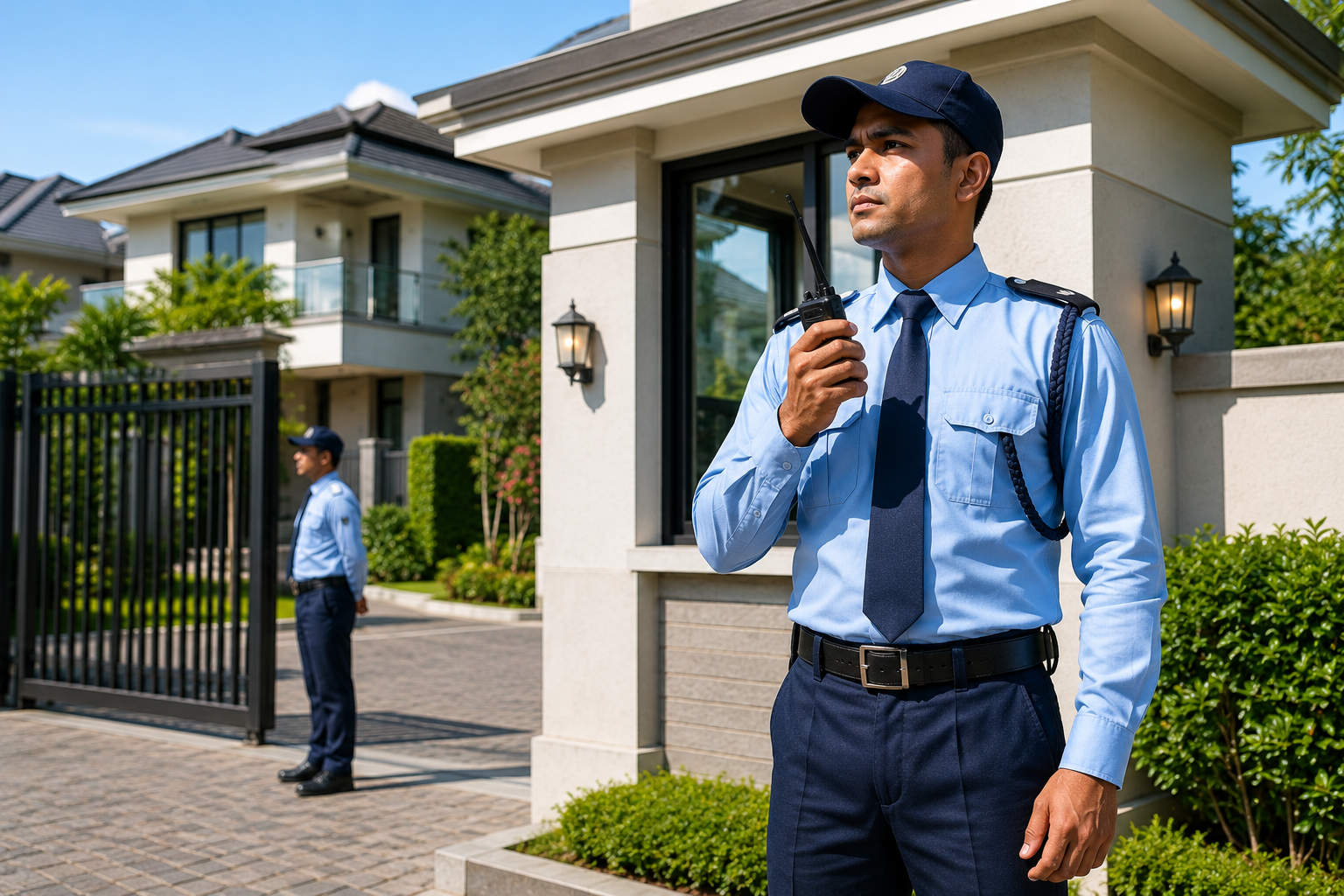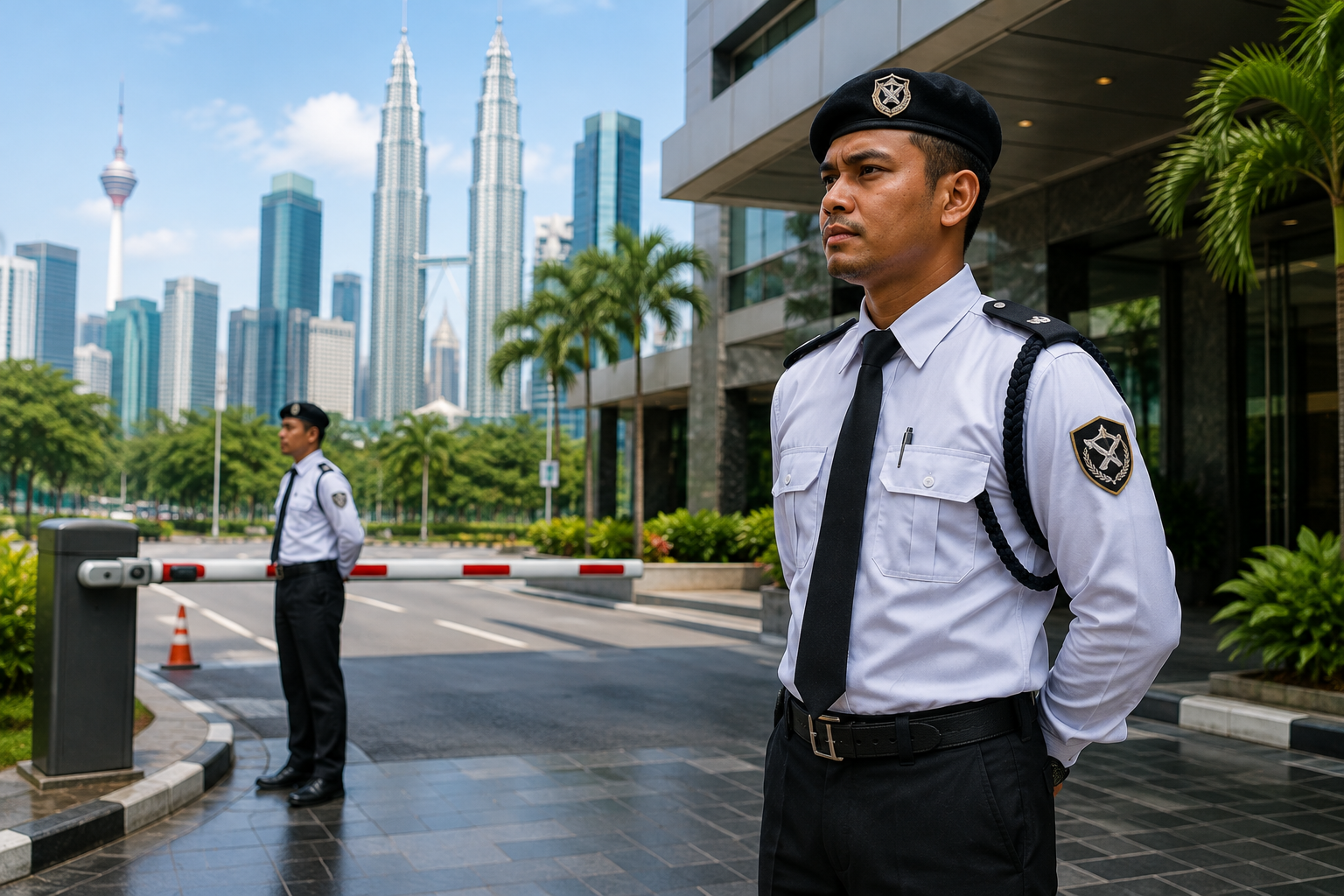
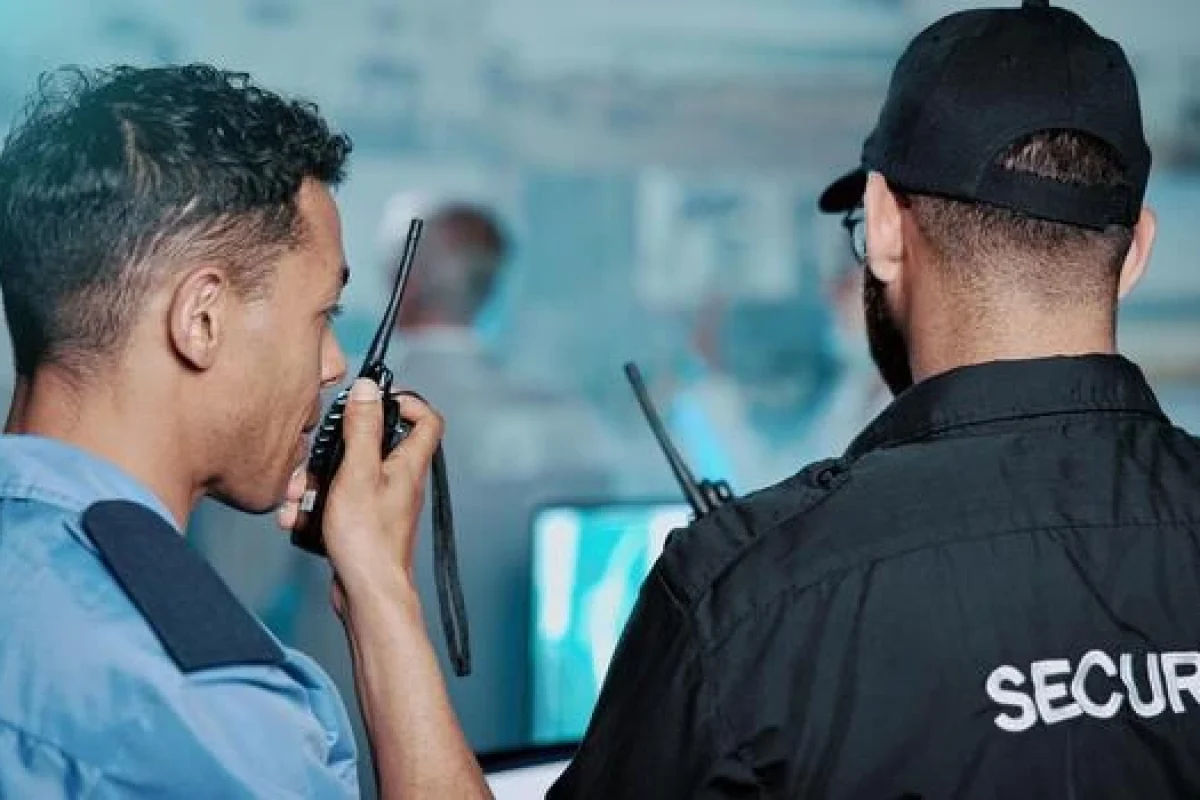
Security issues do not necessarily occur on the regular, so having a constant readiness for all types of scenarios is more and more valuable. Sites in residential areas, commercial facilities and in operation can have vulnerabilities that come to the fore at surprising times, either in the day or at night. A 24 hour security service will provide continuous protection through constant surveillance, risk minimisation and a support for the maintenance of order. Routine supervision has a positive impact on creating safer environments, and preparedness is crucial at all times.
Constant Situational Awareness
When observation is regular, no matter the time, it can boost protection efficacy very often. There is a danger that risks could be unexpected, especially during less active times when vulnerabilities that might contribute to a risk event are less obvious. Continuous monitoring enables those in charge to detect irregular activity, off-activity or operational issues before things get out of hand. Every minute is an alert minute, leading to higher preparedness through constant awareness.
Nighttime Risk Management
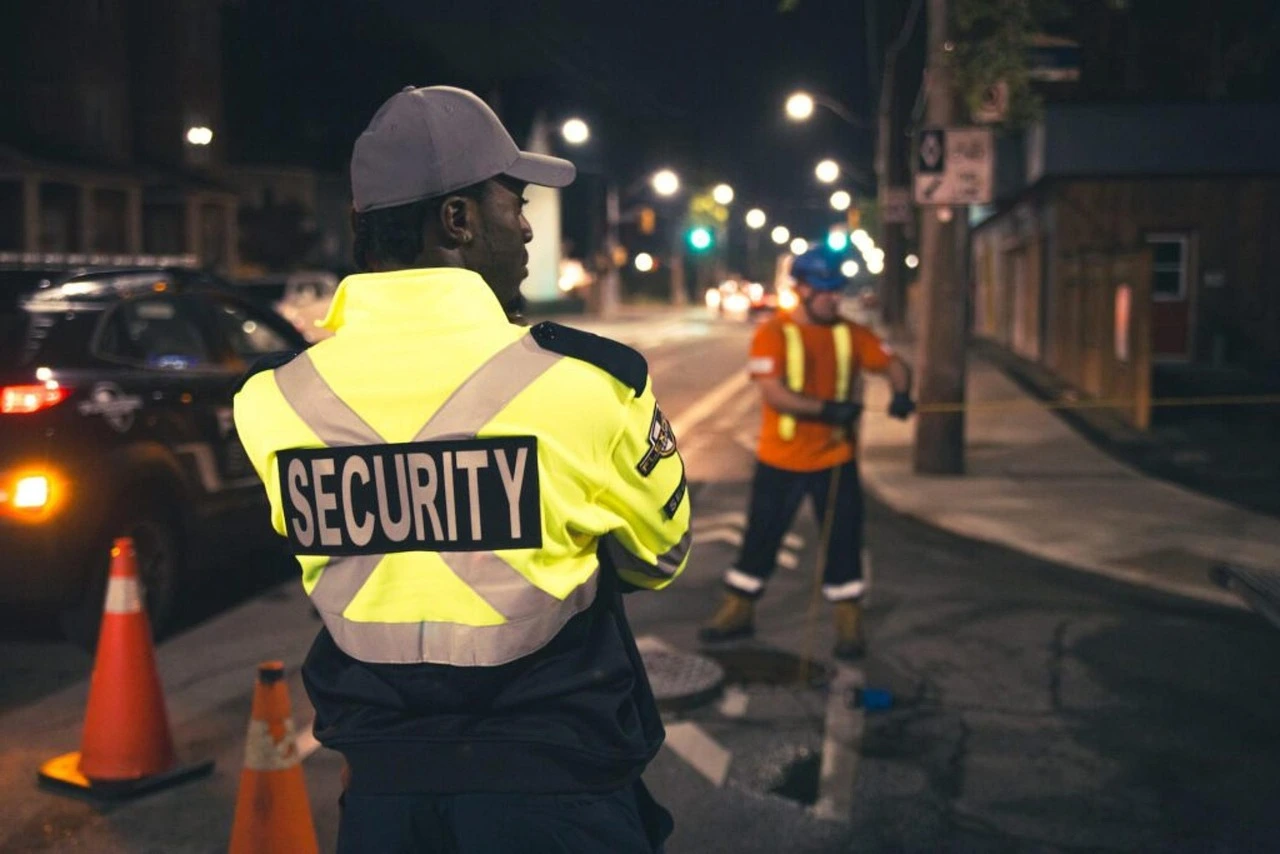
Late hours can create various safety issues and demands for increased awareness and control. Limited sight, activity levels and staff presence can provide opportunities for improper movement and disturbances. Overnight supervision is helpful to reduce uncertainty as it contributes to quicker detection of abnormal activity. Successful overnight monitoring often helps to enhance environmental stability and maintains protection readiness confidence.
Property Monitoring Needs
Tweaked supervision strategies must be used in different areas in line with the nature of activities and environment sensitivity. Different day-areas are prone to different vulnerabilities at different times of the day in the warehouse or residential areas, offices and limited facilities. 24 hour security services often provide enhanced protection through continuous observation and in relation to the actual operational activities. Ongoing monitoring can enhance preparedness for responding and contribute to making the environment safer and orderly.
Handling Sudden Disruptions
Situations often happen without warning or without the person being prepared that requires calm responses supported by preparation and awareness. Threats to disturbances, unauthorized access issues, or unusual activity can always be compounded by needing prompt action to prevent further issues. Effective supervision helps to positively add by rapidly evaluating the situation and maintaining the situation’s stability for the protective person staff. Prompt intervention often leads to better outcomes, and can help minimize confusion in uncertain or rapidly changing circumstances.
Strengthening Daily Operations
Smaller disruption in daily life within monitored spaces can often be by virtue of Protective continuity. Employees, residents, visitors and other teams involved in the running of the business can feel more confident if consistent supervision enables people to have safety expectations. Permanent observation will contribute to less disruption of the flow of work resulting from avoidable incidents and increases in environmental order. Protective measures that continue during both “lively” and “leisurely” times of the activity may help increase stability.
Controlled Access Measures
It will be important to continue to have structured movement in controlled environments to keep safety and operational consistency. ENTRANCES, restricted areas and shared environments often need supervision to deter unauthorised access and to hold people to account. When movement is carefully managed, confidence is reinforced by helping to make sure that the movement is taking place in accordance with what is expected. Reliable and consistent entry management can have a positive impact in well organised environments that require reliable protective support.
Flexible Security Response
The environmental risks are continually changing over time, as well as based on levels of occupancy or other operational demands. A protective plan that works best allows flexibility to address new concerns without causing a disruption to play. Adjusting priorities and supervision methods in the observation process during the 24-hour security service can enhance reliability as per actual security circumstances. By being able to flex, the protection helps keep ready in different environments that may be presented all throughout the day.
Building Greater Assurance
A monitored setting often fosters people’s confidence when they live, work, and visit monitored areas. When visible supervision is employed, it can help occupants feel that safety issues are addressed constantly, instead of only when they become a problem. Protective systems are more likely to foster confidence when they demonstrate readiness and responsiveness, as well as consistency, and are centered on children.Preparedness and responsiveness, and consistency of protective systems, which are child-centered, tend to build confidence. Generally a calm surroundings that is well-supervised will lead to a calmer experience; which means they are less likely to disrupt their everyday routine.
Conclusion
Continuous protection is an important factor to contribute to the provision of safer contexts in which risks can arise ‘out of the blue’. Structured supervision can enhance preparedness by monitoring, facilitating prompt responses and keeping things orderly in an evolving situation. Generally reliable safety measures are those that are consistent, not temporary ones that can be noticed. It is often important to foster confidence in the process of planning protection and providing for it that goes beyond short-term, to the extent that awareness, preparation, and reliable monitoring occur during each hour of operation.