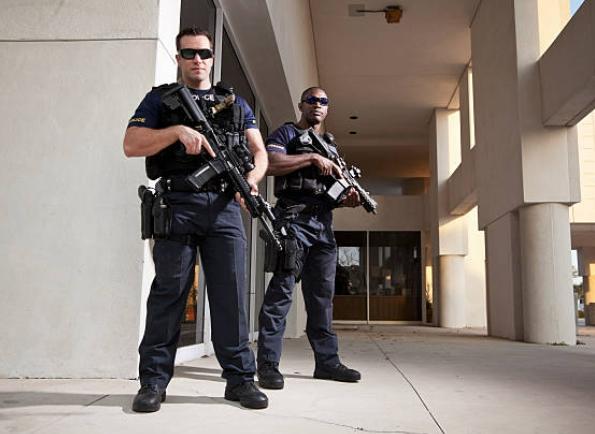
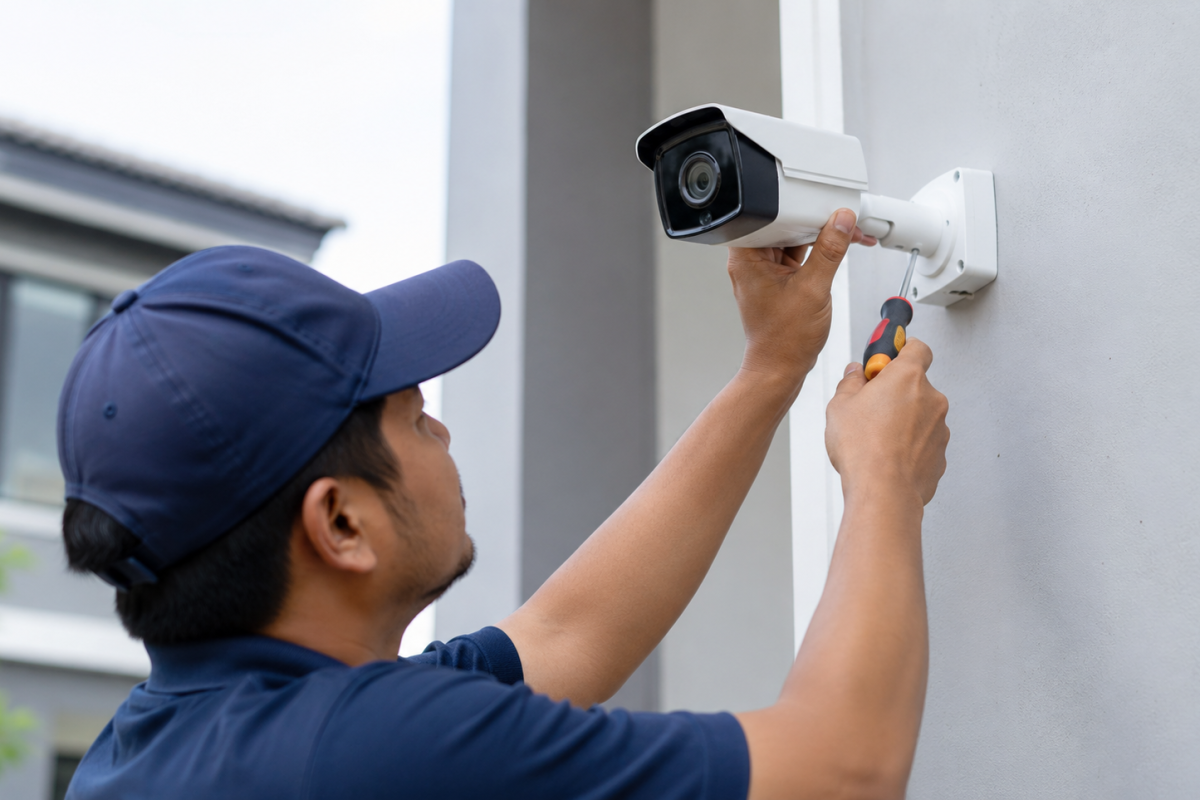
Newer impositions of safety standards are still modifying the methodology adopted by residential and commercial spaces to monitor and manage risk. More focus on prevention has ramped up interest in solutions that can enhance visibility and enable a rapid response. Modern monitoring solutions have become more than observation tools; they now help build confidence, situational awareness, and organized defense. Successful installation of CCTV typically corresponds to a grander scheme geared towards preparation and the proper use of space.
Visibility Matters
Conspicuous observations also tend to affect the chances that extra surroundings are being monitored. However, in private spaces or shared spaces with blind spots and obstructed corners or poorly covered entry points, you could increase the vulnerability. Strategic camera placement supports more impactful imagery free of unnoticed movement. Purpose-driven monitoring systems can help build awareness by providing tools to identify suspicious activity, record-keeping, and enhance supervision in sensitive areas.
Layout Planning
Rely on the careful characterization of the environment first in any successful surveillance system. Placement decisions are usually dictated by attributes such as building size, access routes, lighting levels, and activity levels. The right positioning enables both broad coverage/visibility and silos for specific, yet not wasted coverage. In this sense, flexible planning approaches may help those spaces with variable traffic patterns. Overview of Structured Preparation for CCTV Installation: Structured preparation before CCTV installation often enhances the useful life as well as minimizes unintended constraints in system performance in a lasting operation.
Daily Risk Reduction
Such contexts are determined more by the preventive measures, I think, than the reactive decisions. Visible presence of surveillance systems can help deter unauthorized access, carelessness, or avoidable disruptions. People act a different way if they know they are being watched, rather than unsure. Regular supervision surely works for developing a more robust routine management but also assists property owners/managers in identifying any signs of irregular patterns prior to it turning into a larger problem.
Lighting Considerations
Usually, the effectiveness of this monitoring depends on surrounding visibility conditions. Low Light can degrade image quality and introduce uncertainty to critical moments, especially during the night or inside a building. Such camera systems should be placed correctly while taking shadows or glare into account to avoid unreliable views. Diligent configuration of lighting ecosystems serve to enhance clarity as well as fortify identification and confidence in archival footage being taken across differing environments.
Access Point Monitoring
The most important areas are still entry and exit areas. Entry and exit points are the busiest and most vulnerable places, including doors, parking lots, loading zones, as well as secured areas. These areas should be monitored, as this may help to maintain better insight into movement patterns and attempts of unauthorized access. Sometimes, strategic observation near high-traffic areas is how to reinforce operational control without unnecessary added complexity across the environment.
Storage And Review
One of the most valuable things about recorded footage is what they allow us to capture outside the immediate moment. Archived visuals may substantiate clarification of incidents, allowing for timeline reconstruction and better understanding of repeated patterns. Good storage management is often the difference between data being available when needed or not. They may improve the quality of response to investigations or operational reviews, as systems for reliable recording and structured retrieval could facilitate this. Effective retention practices typically increase the overall utility of surveillance measures.
Evolving Technical Features
New modern surveillance tools travel far, these days, from a simple video recording. Enhanced motion detection, wider image quality, and adaptable monitoring features increasingly reinforce everyday practical supervision. Although superior tools can help, they need to be used wisely as well. Good CCTV setups often combine hardware that is at a completely different price point to whatever the environmental requirements are, yet still keeps things simple and does not put systems in place which will cause problems down the line.
Privacy Awareness
You have to segregate yourself with such care that it becomes difficult for you to monitor when your identity is at stake — and all this, of course, without any ethical considerations most of the time. Systems that are designed in a manner that ignores their location may inherently threaten unnecessary monitoring. Adhering to reasonable privacy expectations helps to foster trust while supporting responsible protective practices. A simple-to-forecast monitoring method enhances security goals without unnecessary disruptions or their accompanying misperceptions of excessive surveillance in daily life.
Conclusion
As safety priorities adapt for dynamic spaces, protective monitoring is continuing to evolve. The value of surveillance systems comes not only from the technology but to a great extent from preparation, visibility and operational continuity. Great planning, positioning and regular care all still matter a lot for reliable results. We suspect as environments become more complex, well-thought-through monitoring solutions will continue to be useful for creating situational awareness and configuration-structured protection.