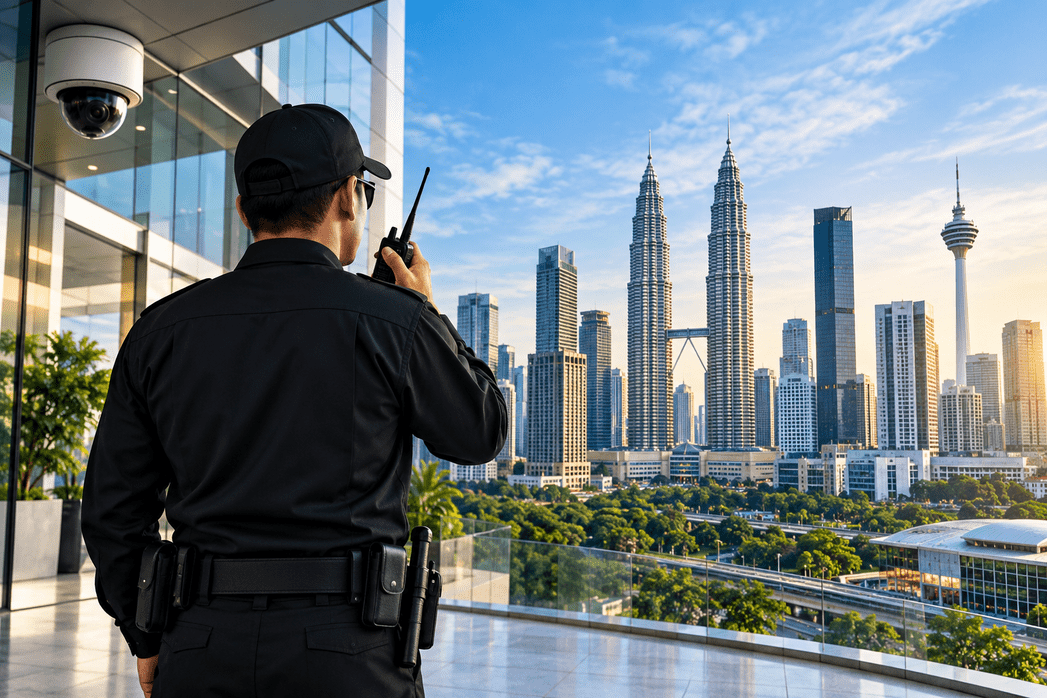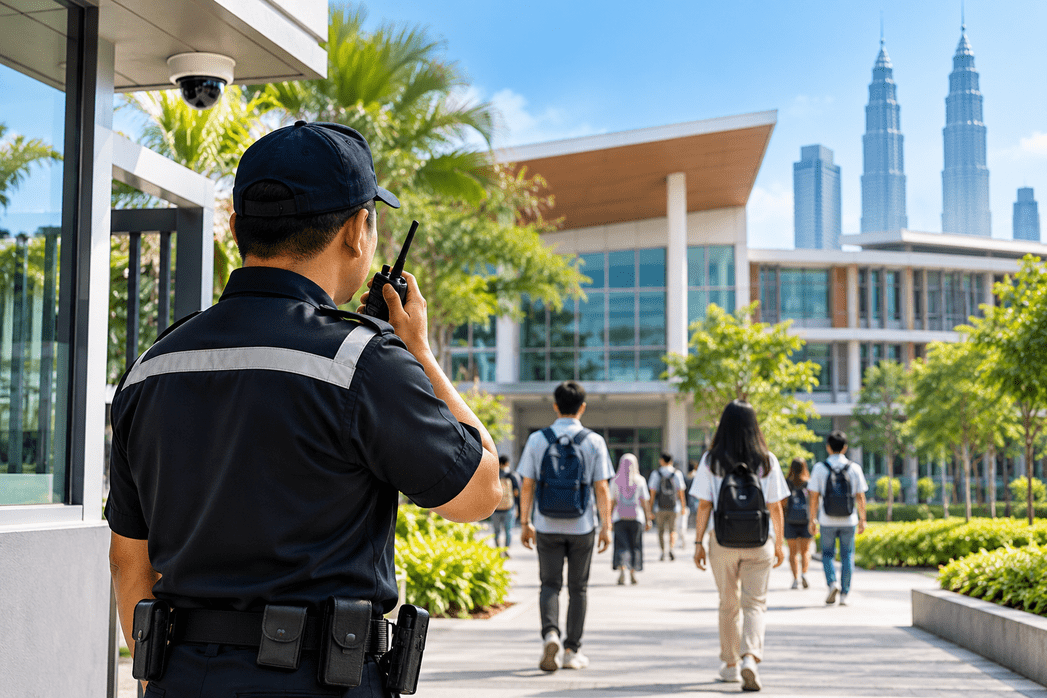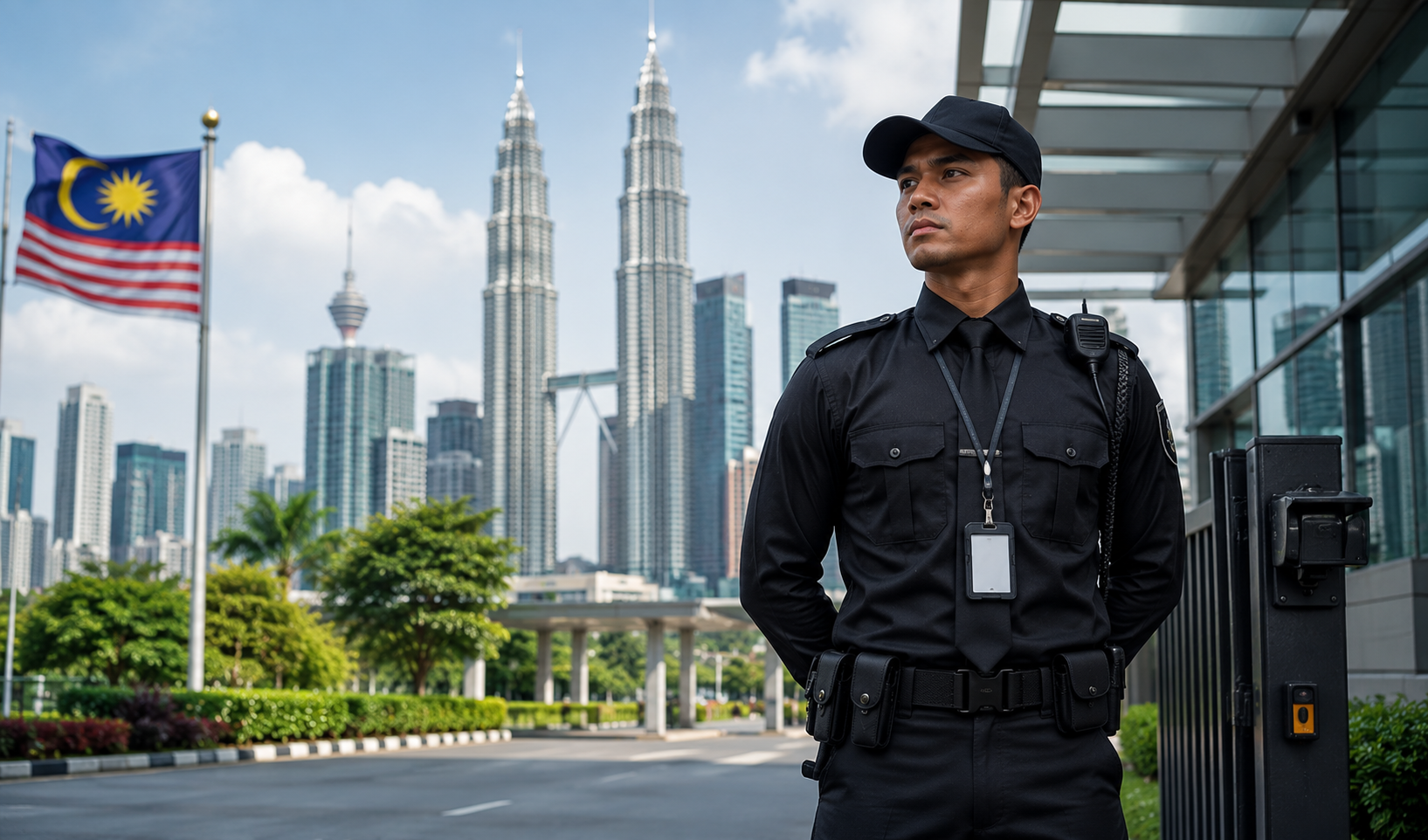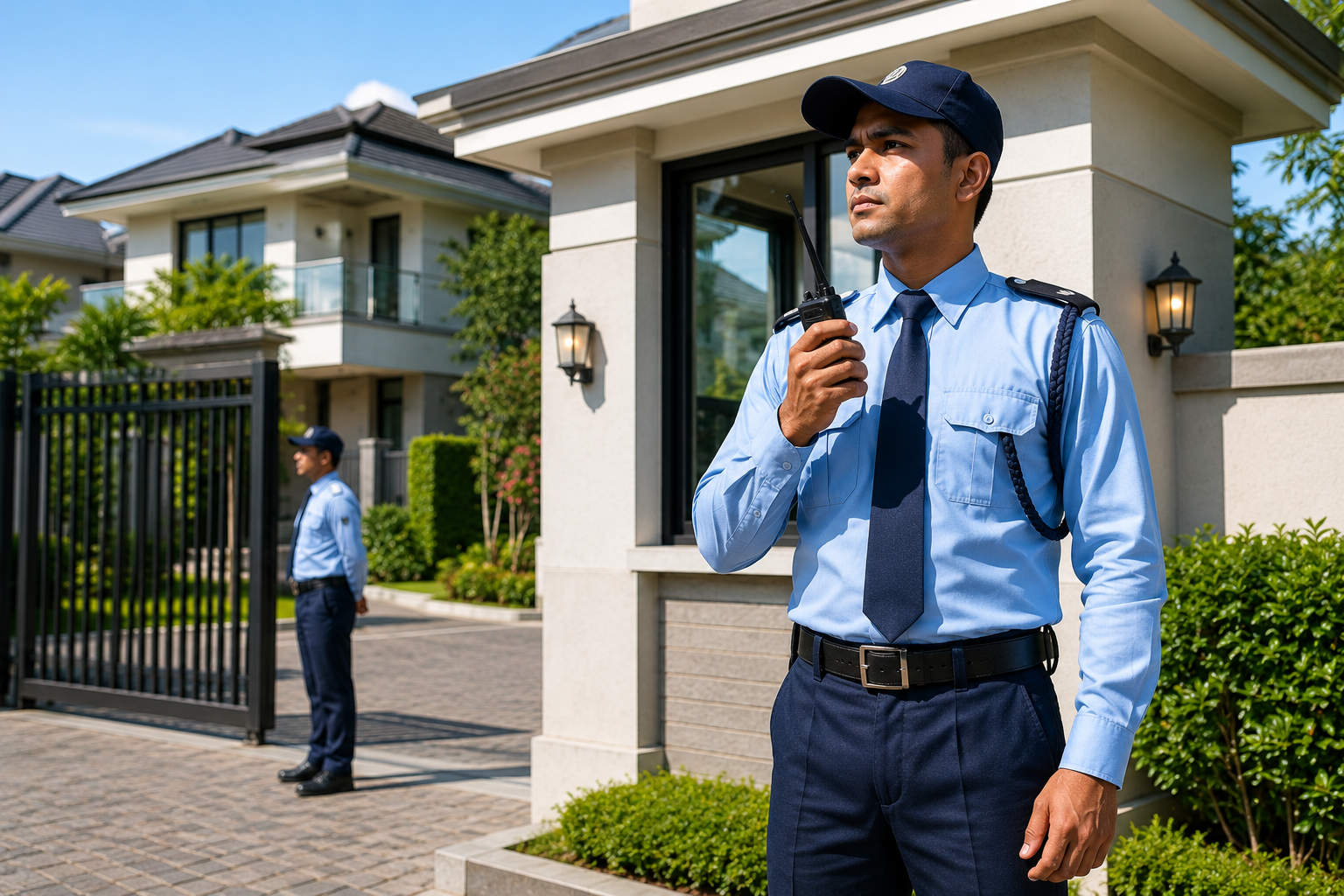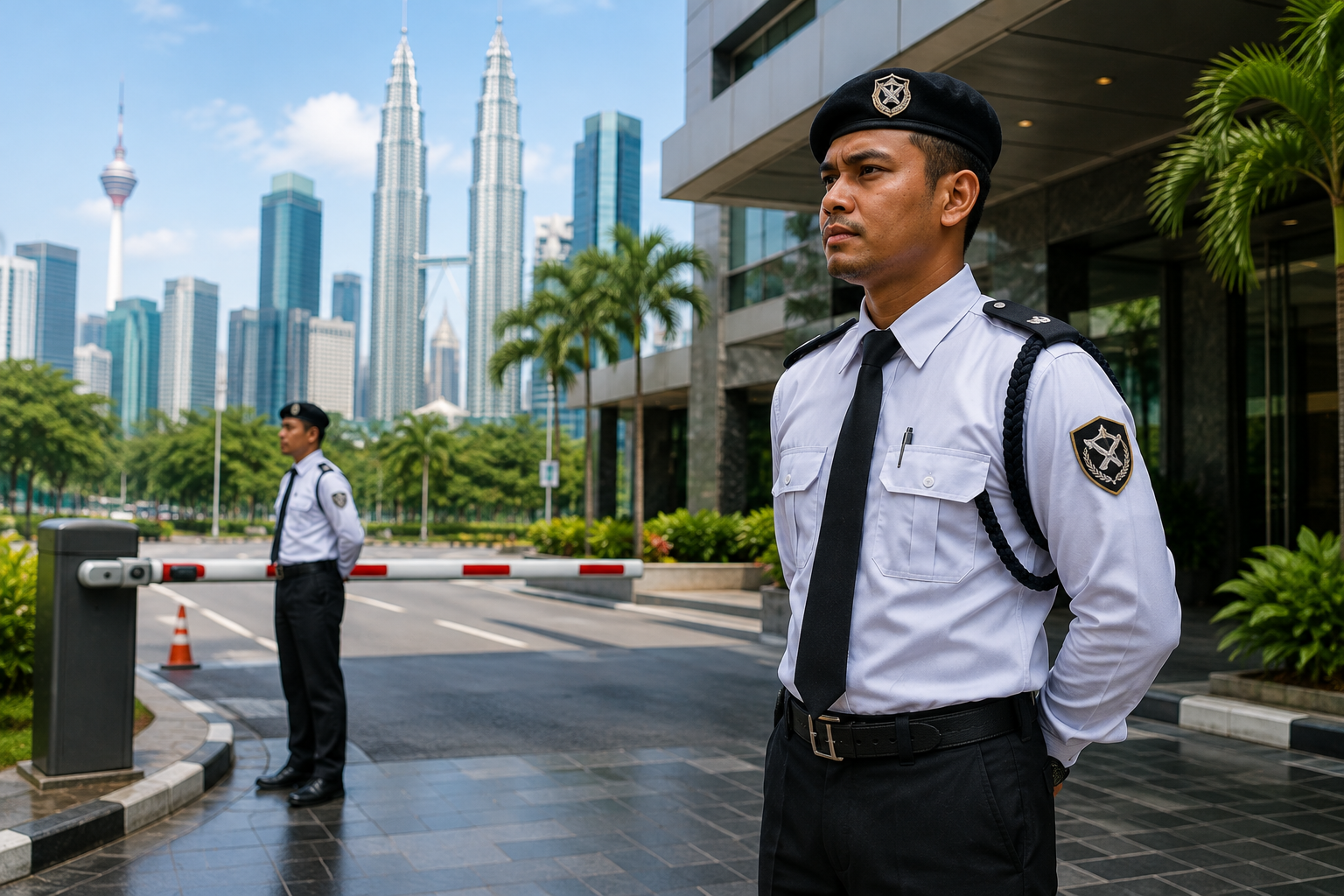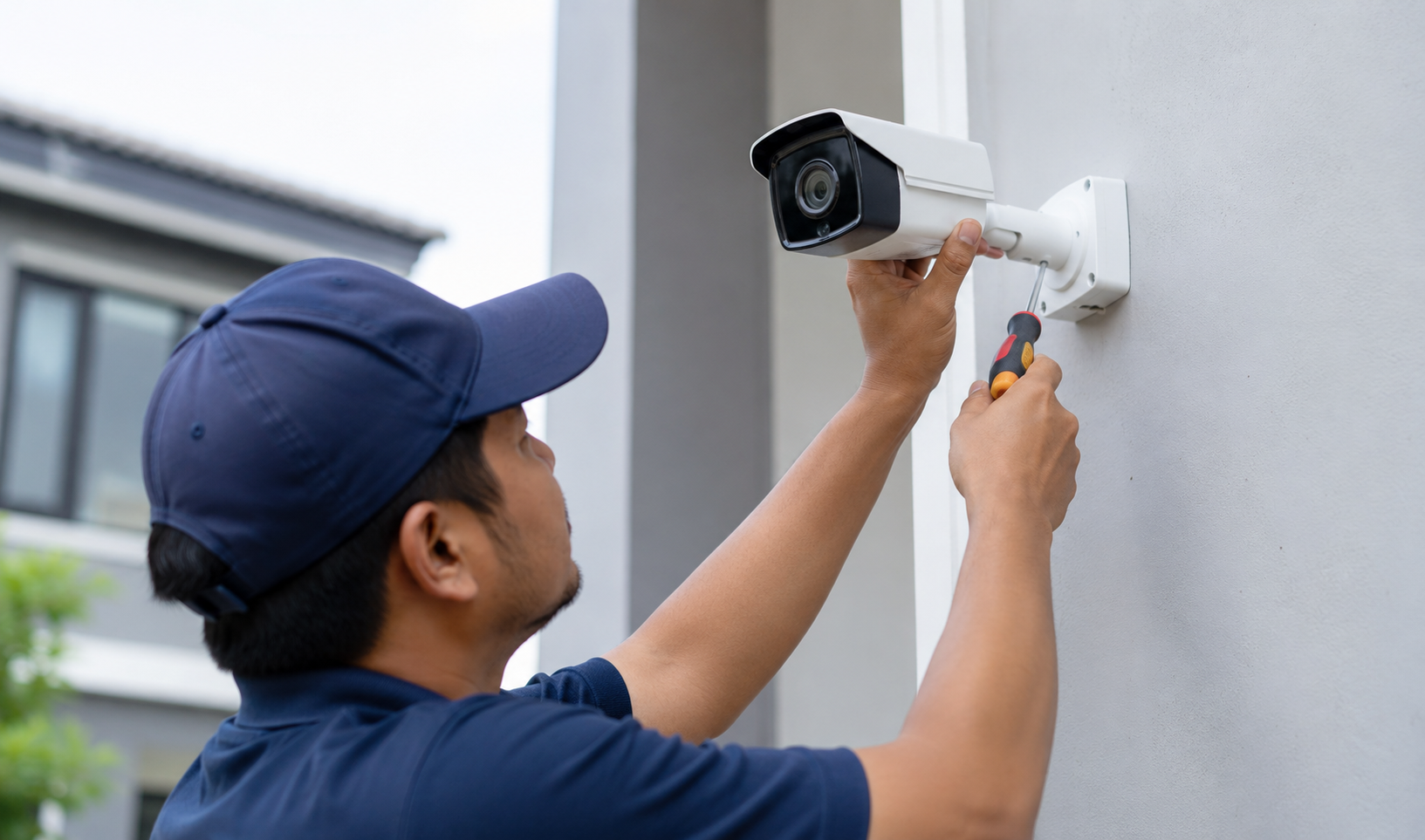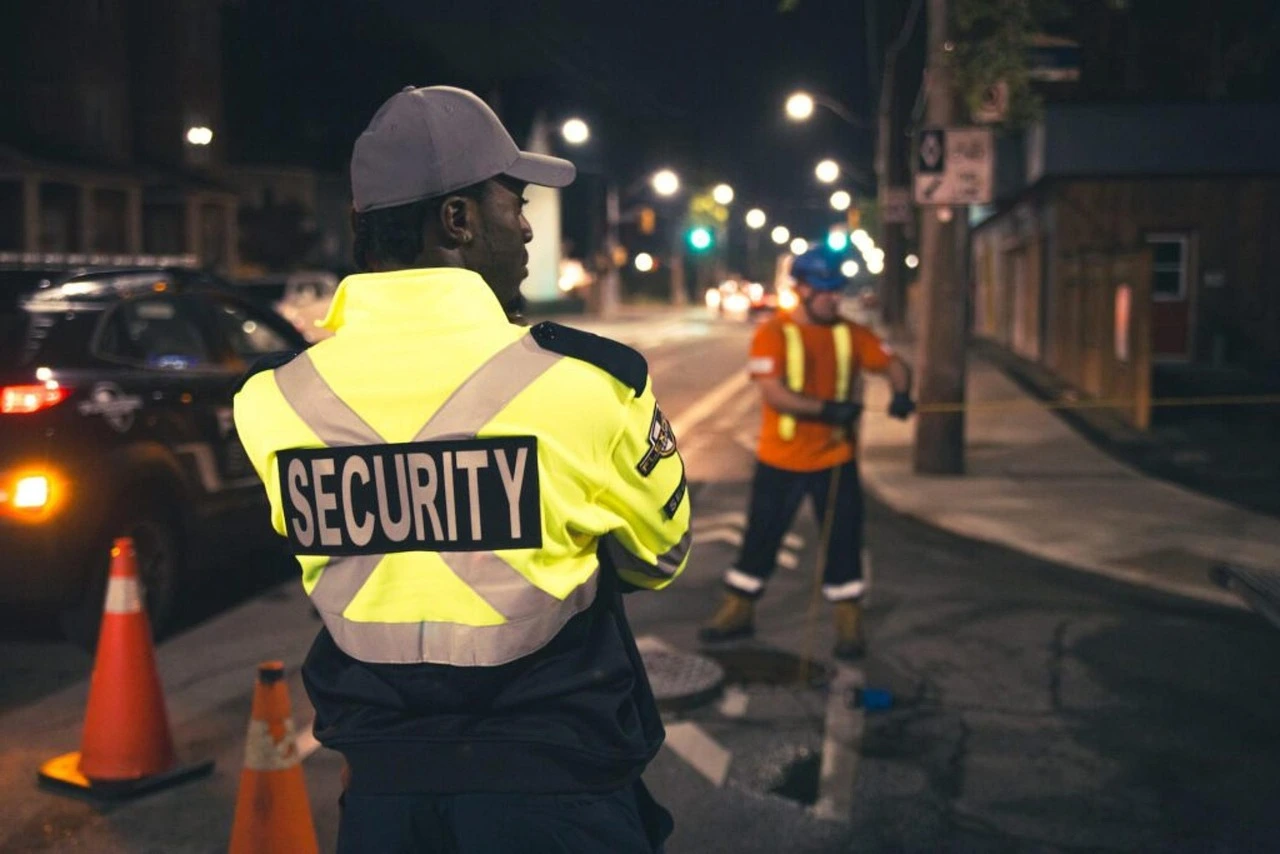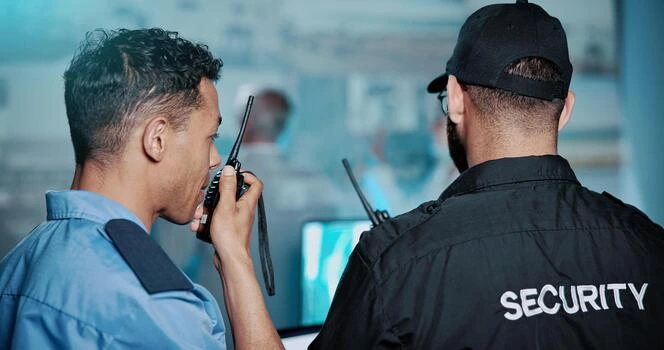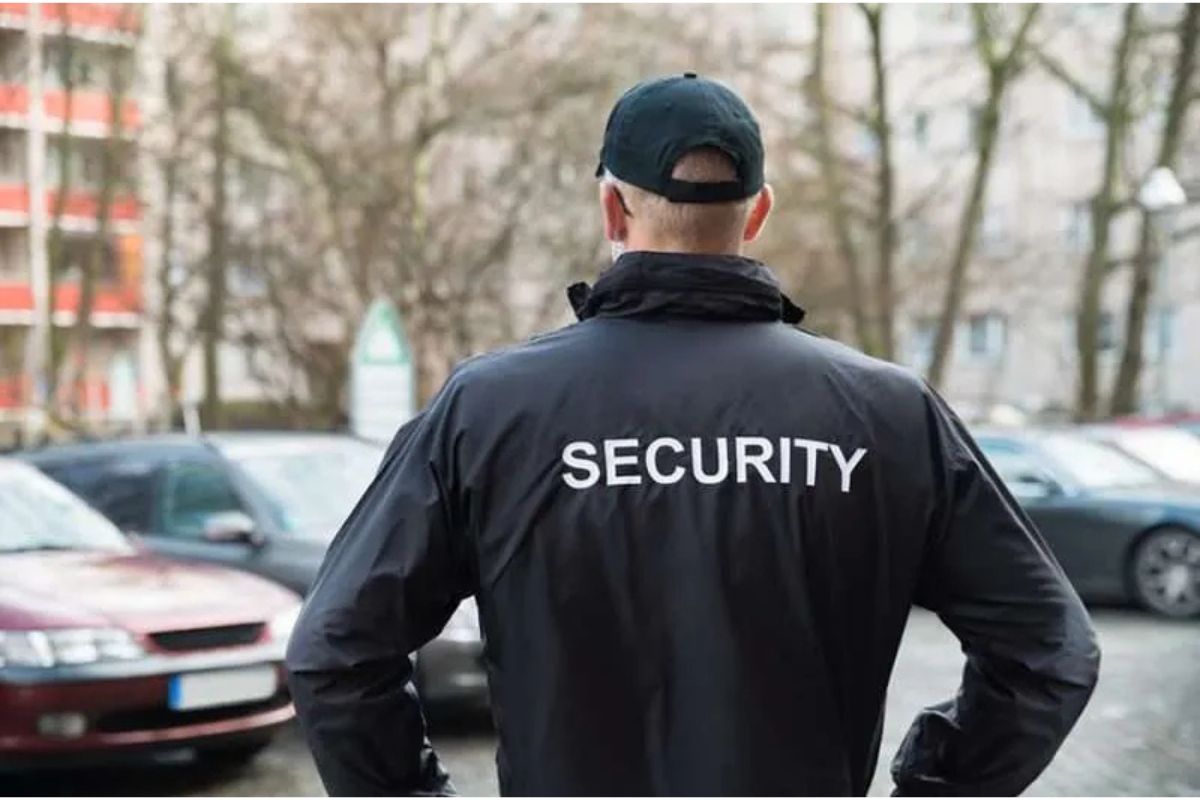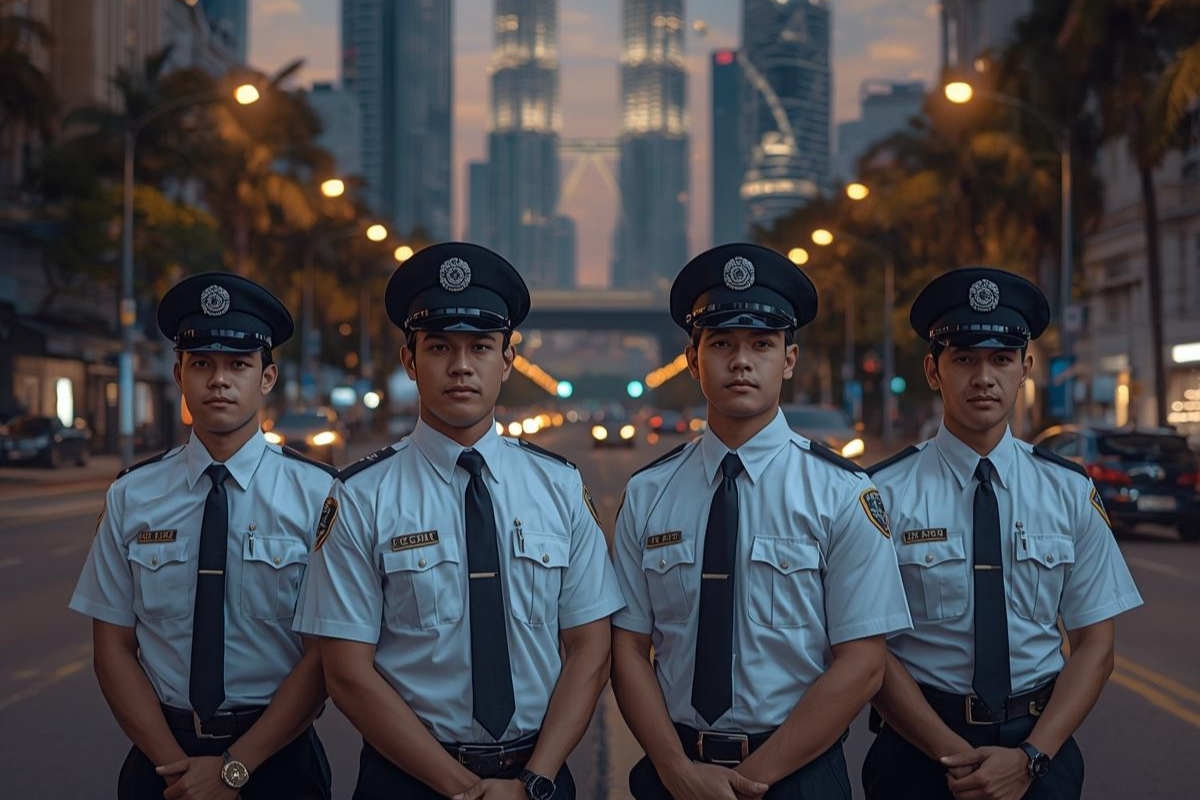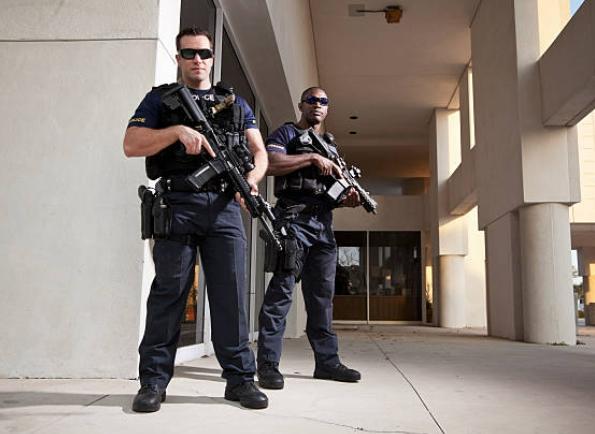
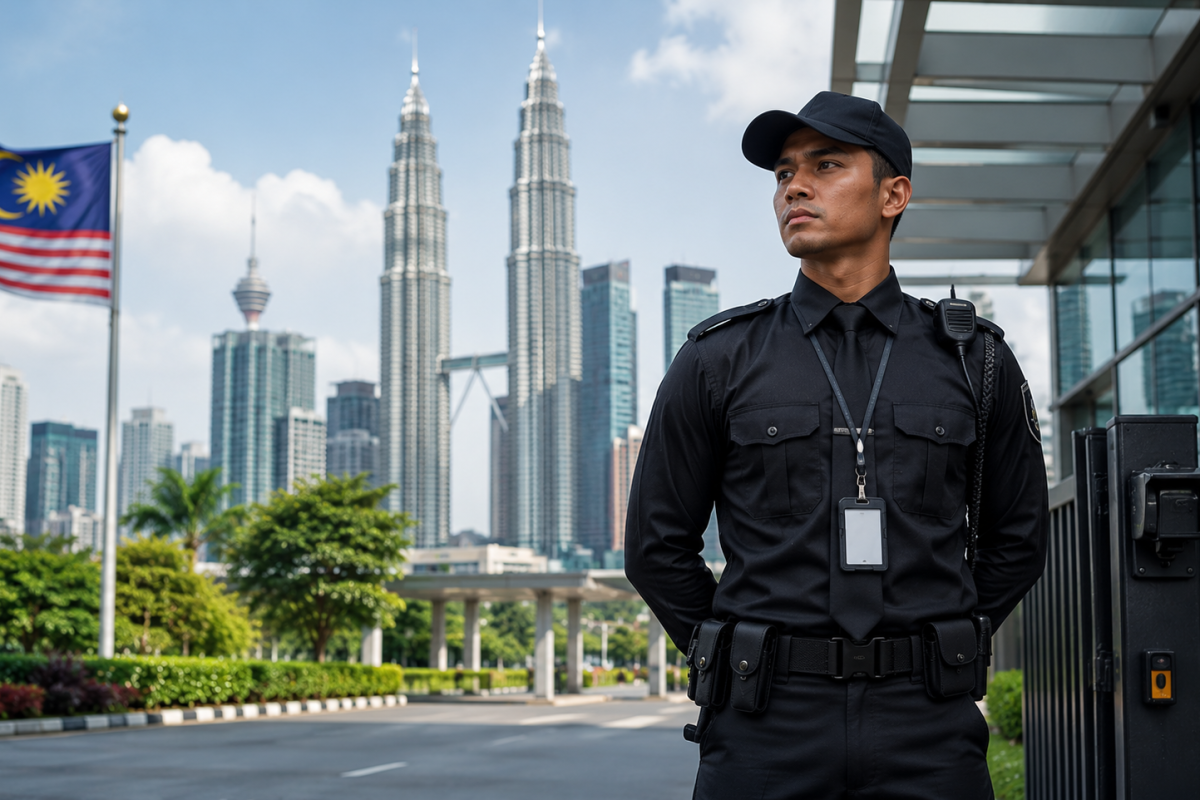
Public safety, of course — as well as controlled environments (as in the case above) — continue to inform the discussion around professional protection across commercial, residential and industrial settings. Changing risks, enhanced urban mobility and concerns with unauthorized access are expected to result in a new generation of trained professionals. From observation, the role has shifted into one of communicating better, as well as both awareness and exercise of discipline with judgment. The presence of a security guard in some area usually represents the greater mission to maintain order and ensure organized efforts for security.
Workplace Readiness
However, currently it may be said that preparation is an important component of the defense of workplace practice. High performance personnel come to understand their immediate environment, know where everything is and like a good soldier will understand high-threat environments and make rational decisions before they have the chance to be under threat. The rest of the training revolves around how to spot violations, manage conflicts, respond to emergencies, and enforce discipline. When you are always prepared, protective staff guesses the contingency better to stay in control of situations and lessen confusion when hard circumstances such as emergency action require smart but quick decisions.
Public Space Oversight
The apparent very high level of attention in conventional clinical environments may sometimes require skilled oversight or management to keep within a norm and retain the professional process as much as possible. The personnel spending time at public places usually monitor accesses, control the flow of people, and detect suspicious activities even before any problems arise that cause distortion. To enable better functioning of shopping, transport or entertainment areas — structured observation is deployed. Visible Security also equals better business because it influences responsible behaviour and can enhance security on the job site and visitor experience.
Emergency Response Duties
As first responders, they are the protective frameworks in instances of issues developing. If incidents are not dealt with immediately such as if there is a medical emergency, a fire hazard, trespass, or disturbance, then it may already be too late to manage the incident. Calm communication in an uncertain environment, and the proper protocol for regularizing gaining access — these are the basic components of all emergency preparedness training. Coordination teams with training on emergency response can further help reducing panic, improving efficiency of evacuations and provide situational order until designated assistance arrives.
Community Confidence
Protective roles may shape people’s security of the sense of community. Good sight lines and peaceful interactions provide a sense of security for residents, staff, and visitors alike. Trust is earned in many places: through performance, dependability—not from putting your hands on someone. An expert security guard Malaysia is likewise by and large a figure of strength at any rate known in cases where normal checking and circumstances take care of expected parts of everyday appearance.
Career Development Paths
Protective work, too, may offer opportunities for skills to develop and the chance of career advancement. A first phase in these situations would always involve gaining experience in observing, communicating and working with people at risk or following an emergency response; then opportunities for supervision or developing specialisations may follow. Structured development both supports self-accountability and helps professionals manage changes in expectations. As safety management systems are increasingly being organized to meet the growing demands for systematic intervention, agility and continual improvement is becoming more relevant in this space.
Conclusion
Protective services are constantly evolving to meet changing environments and the need for more advanced demands of protective security services. Now, the awareness, communication, and preventive correction processes, as well as responsible support in emergencies are being realized by professional personnel. For this reason preparation and ethical behavior will continue to form the very foundational pillars of trustworthy behavior in a diverse environment. Safety roles will continue to evolve alongside these functions, allowing trained personnel to provide additional layers of security in organized spaces that require attention, discipline and coordination.