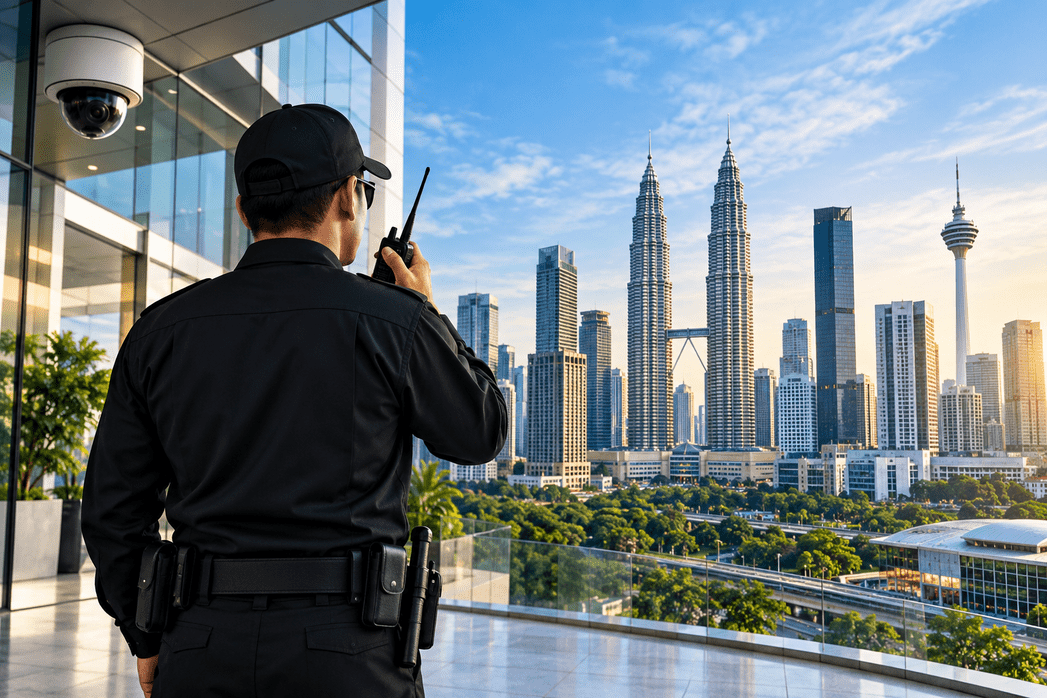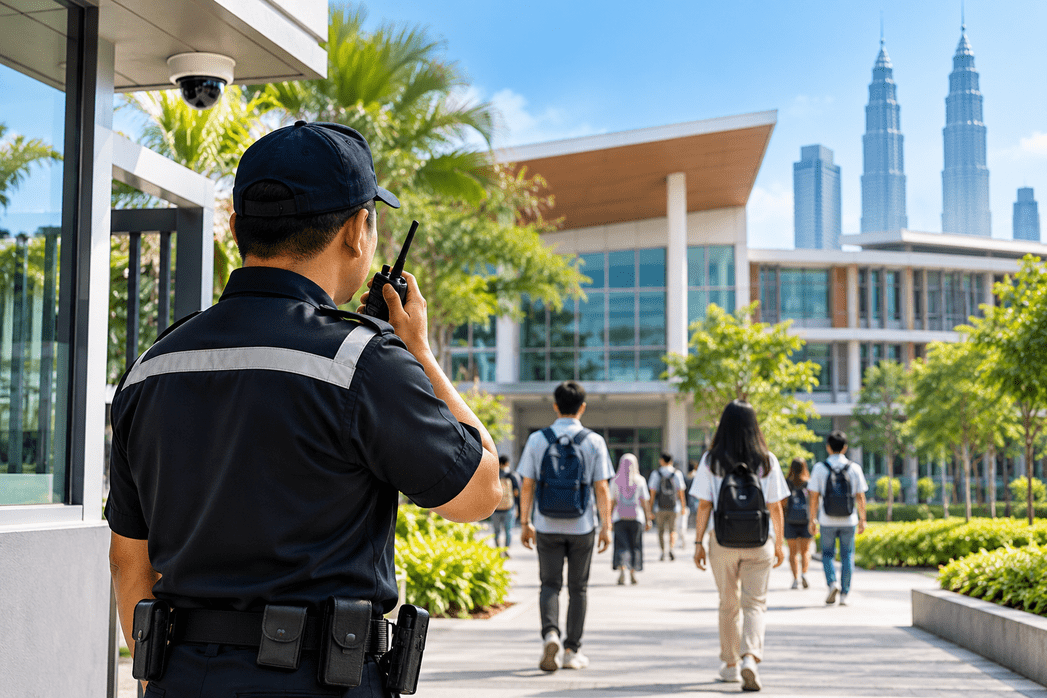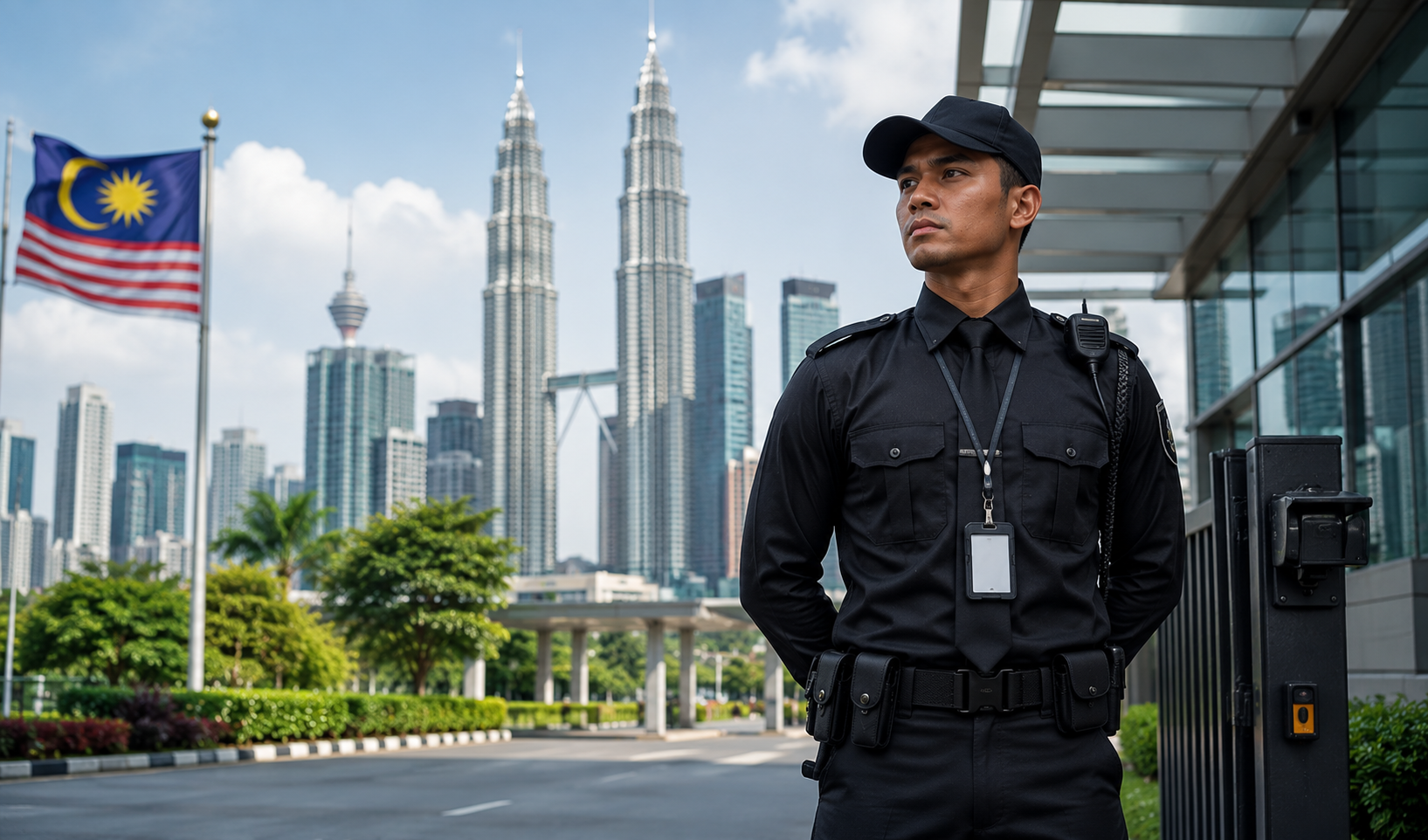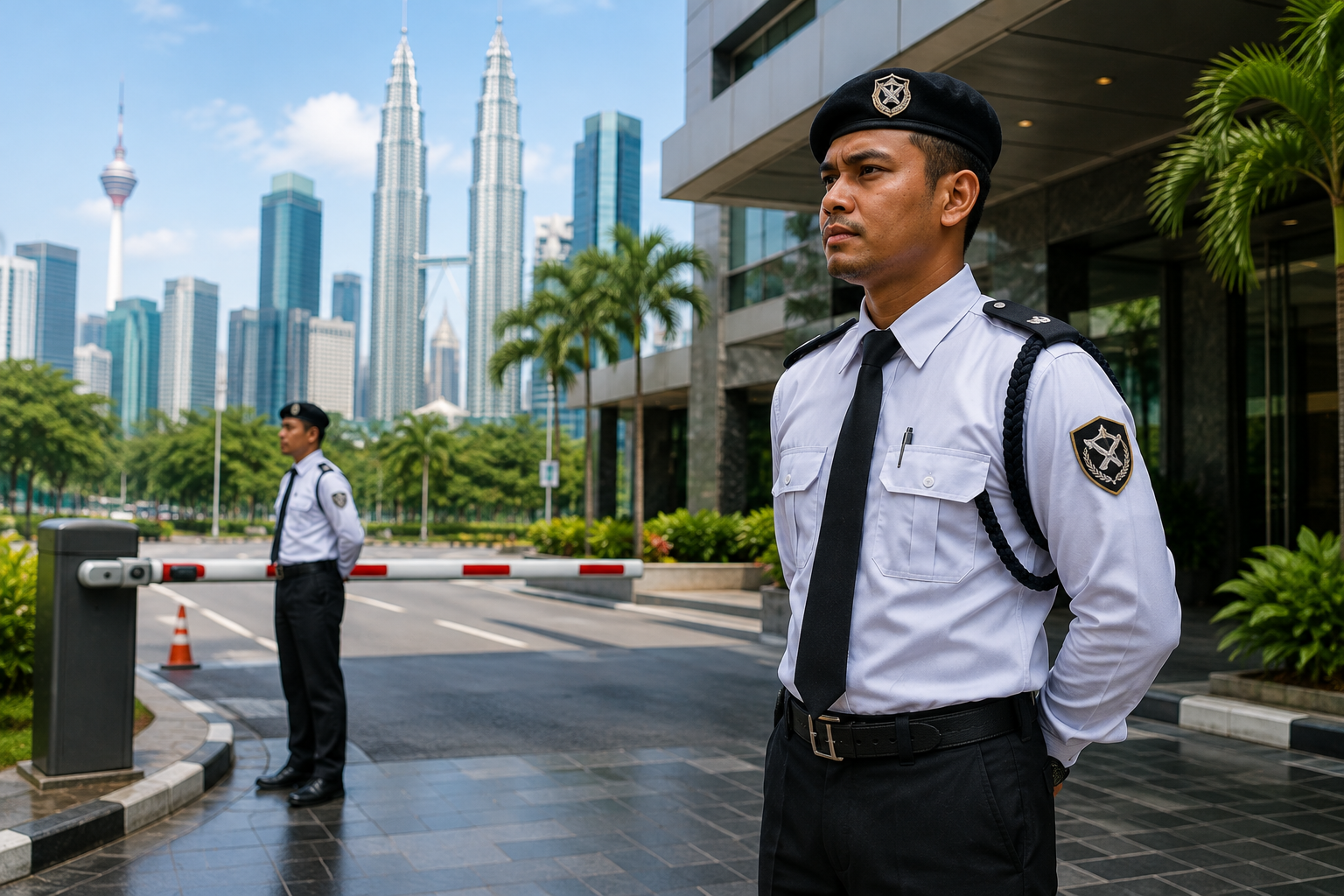

The private security sector’s activity area in Asia has increased. The main driver of elevated demand for security services is the demand for specialized security services due to the rise in urbanization, economic development, and public safety concerns. Private security, to a large extent, helps restore order and protect commercial zones and residential complexes.
Some asian countries follow regulatory reforms pertaining to private security operations. But governments have partnered with private firms to fill the gaps in the public sector in terms of law enforcement. Today, the private sector is centrally important in guaranteeing assets, business, and personal safety.
Rise of Urban Security Demand
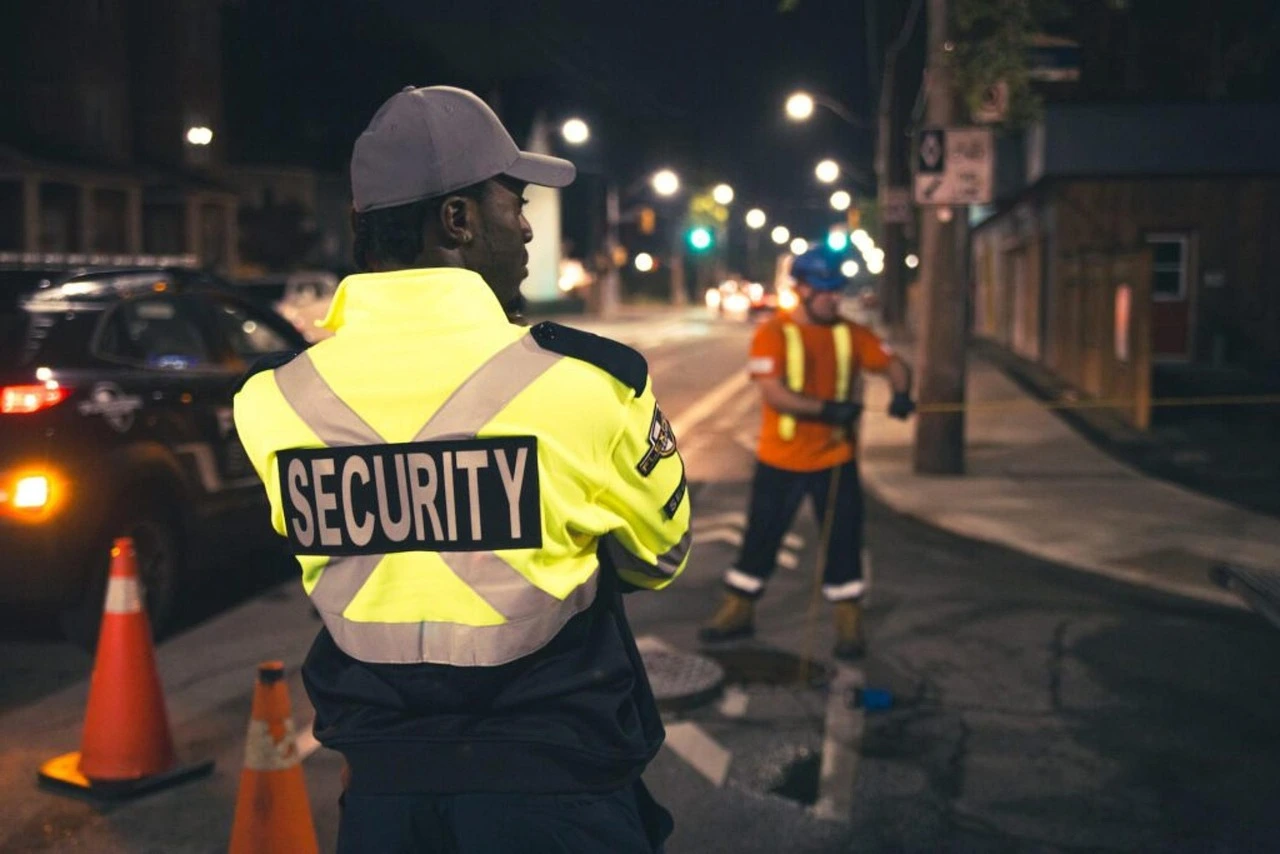
City management, which has become more expensive in light of rapid urbanization, necessitates more funding from various sources. Therefore, cities are susceptible to theft, vandalism, and civil disturbances. Therefore, businesses and property owners seek reliable security solutions.
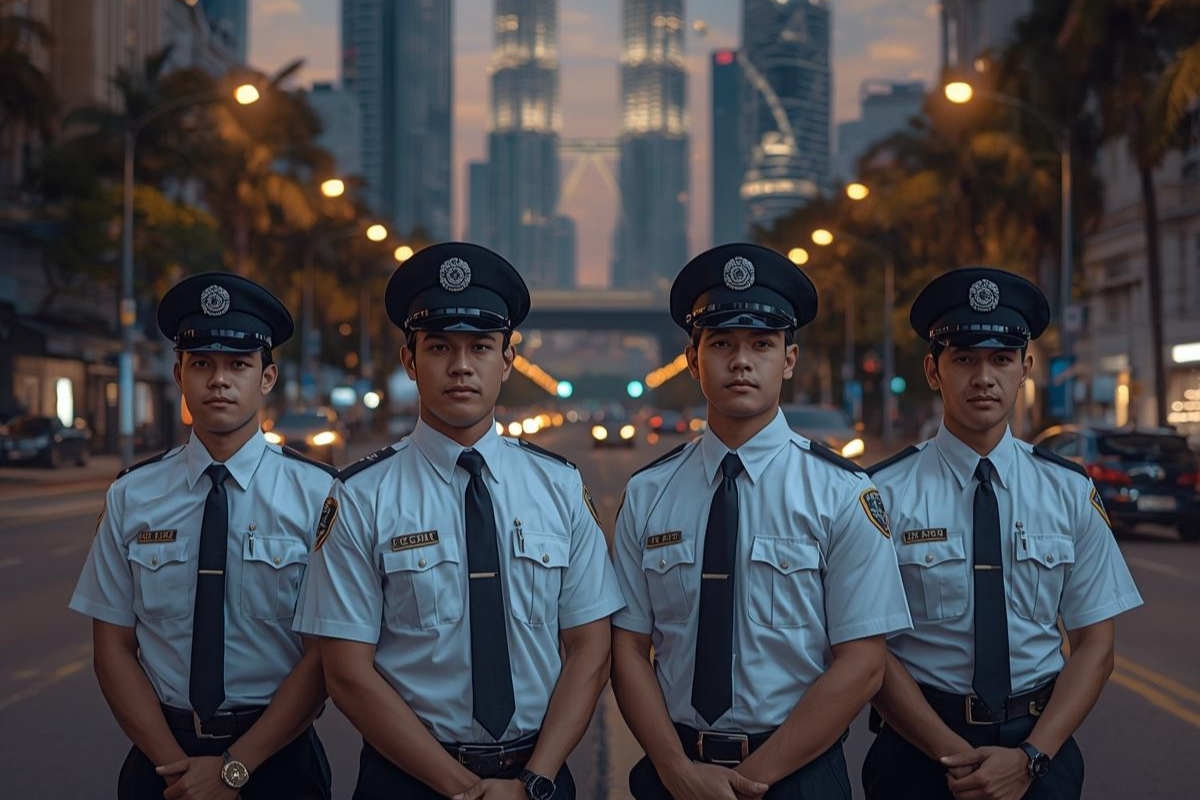
Another urban growth has also been seen in cities like Johor Bahru in Malaysia. The increase in the population in the residential and industrial zones has resulted from the increasing demand in the presence of trained professionals running services on ‘security guard Johor Bahru’. Their presence, through these types of services, gives a feeling of stability to the increasingly urbanized landscapes.
Integration of Technology in Private Security
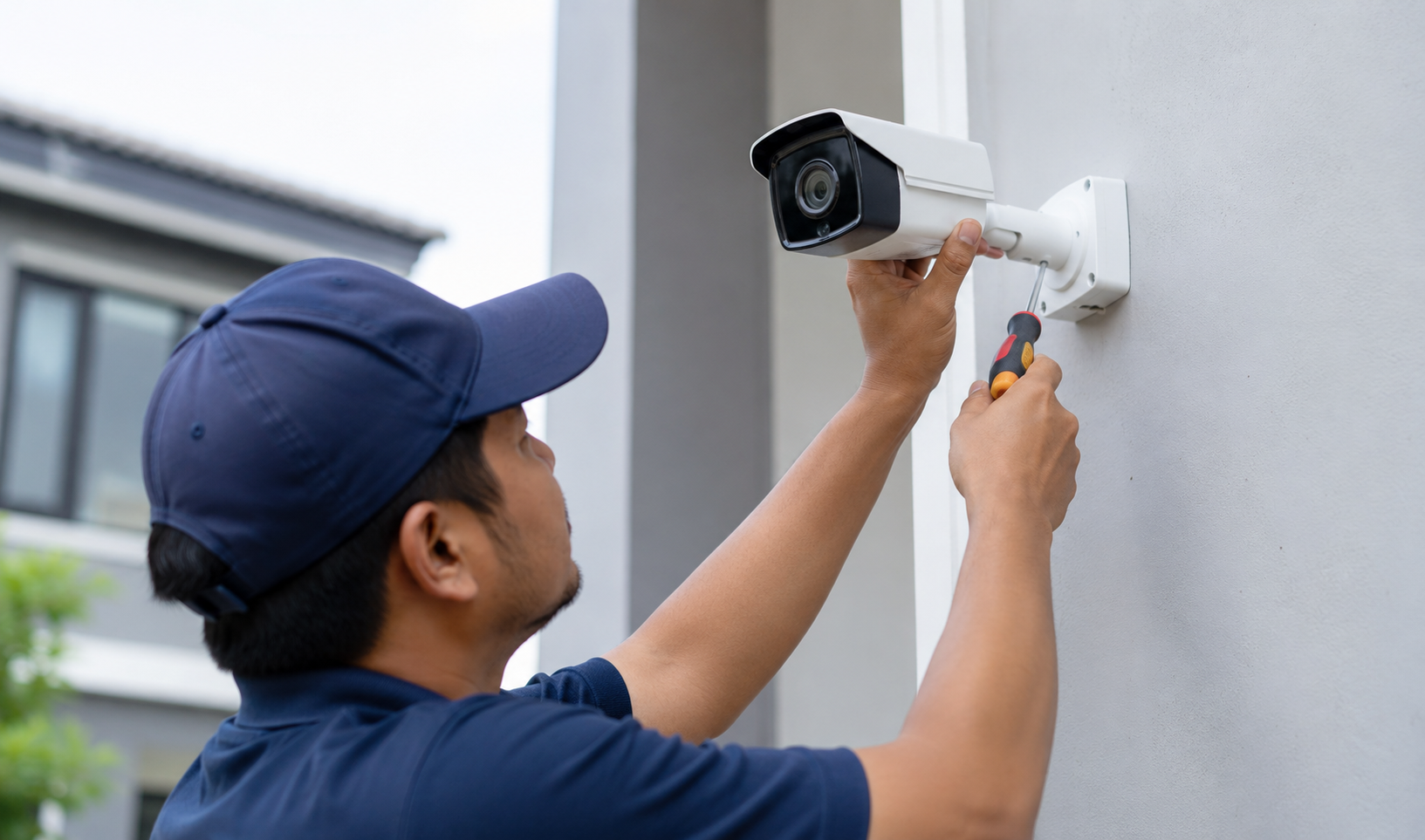
Modern private security firms today use technology in various ways to raise efficiency and response. Surveillance tools, biometric security, drones, and even AI-based monitoring tools are all too common in many Asian regions. These tools help one to know real threats in real time and allow one to perform data analytics to make better decisions on the go.
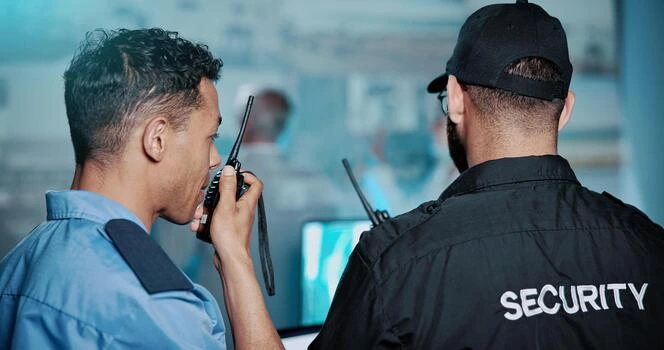
The smart technology plus manpower combination has worked in Singapore, South Korea, and Japan. In fact, Johor Bahru is also adopting the same trend. However, today, companies offering “security guard Johor Bahru” services have to provide their guards with mobile utilities for surveillance and communication to enable easy coordination.
Growth of the Private Security Industry
The Asia private security industry has been growing at a fast pace. The market of personal bodyguards, event security, or corporate protection services is increasing more severely.
Private firms take on risk assessment & cybersecurity roles that weren’t previously part of traditional guarding. This is comparable to a broader movement around the world with regard to how safety is understood.
Training and Professionalism
Now, Asian countries are laying down standards concerning who should be furnished with guards and who should be given protection, who should be allowed to be licensed, and what the requirements for licensing should be. Overall workforce quality improves with the government’s support for the training institutions.
With the passage of time, more and more Johor Bahru firms offering ‘security guard Johor Bahru’ services have been doing the needful, offering concerned services. This has enhanced the trust that these businesses can rely on such services on a daily basis, in addition to those of businesses and residents.
Challenges in the Sector
Despite growth, several challenges remain. This can be confusing if the rules of different countries are not the same. Though this is the case, wage inequality, long work hours, and insufficient labour rights still continue in some areas of the workforce.
First, instability will be further exacerbated in Asia by cyber threats, and then by political unrest, and cross-border crime. As there are these evolving threats, one always needs to be upskilling.
Regional Differences in Private Security
The Asian continent has a variety of ways to solve the private security problem. While countries like Japan and Singapore focus heavily on high-tech systems and minimal human presence, nations like India and the Philippines rely on large numbers of human personnel.
Malaysia balances both worlds. Cities such as Johor Bahru serve as examples of integrated security models. It is the “security guard Johor Bahru” network that offers decentralisation for all environments and is backed up by on-the-ground professionals and electronic surveillance.
Conclusion
The modern-day transformation of the private security scenario in Asia is underway. It is the result of the impact that is to come with economic development, urban problems, and technological progress. In basic guarding services, security firms grow to provide all-around protection services.
Characteristics and growth points of the regional market for ‘security guard Johor Bahru’ relating to wider security trends in the continent involve a market for services pertaining to ‘security guard Johor Bahru’. The position of private security in Asia has become all the more important due to increased demand and is going to be so in terms of ensuring peace, public confidence, and order.