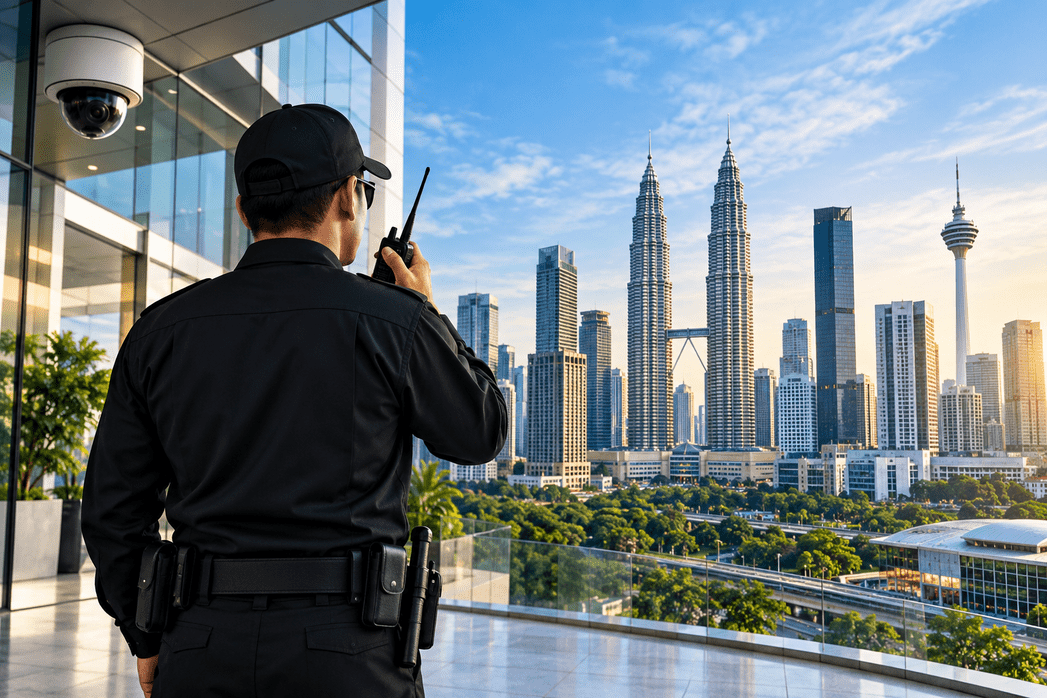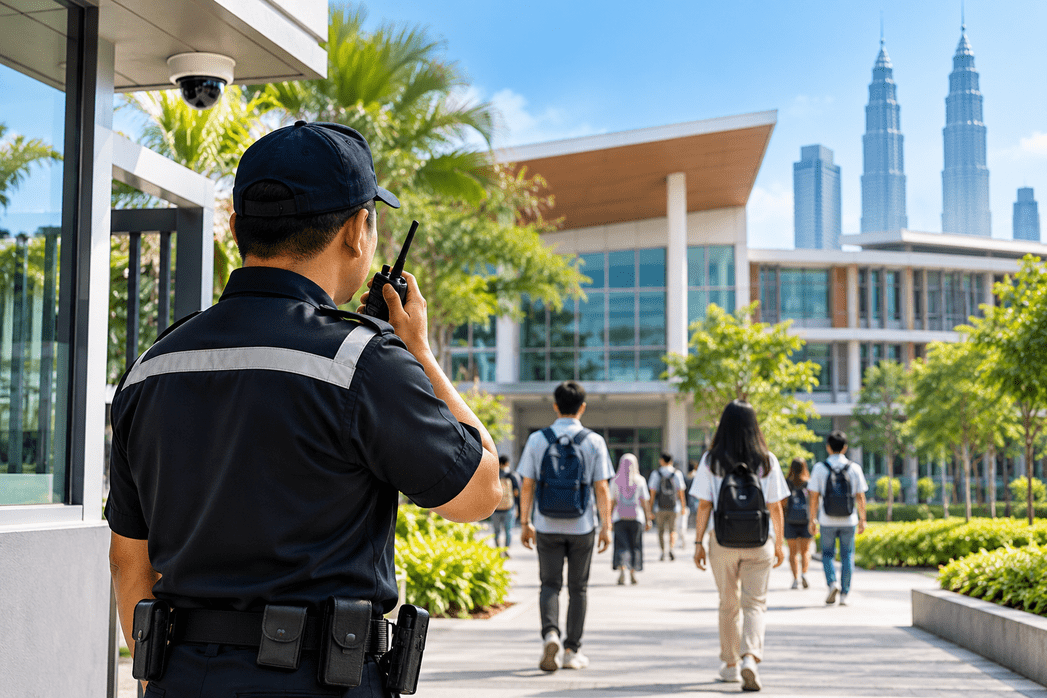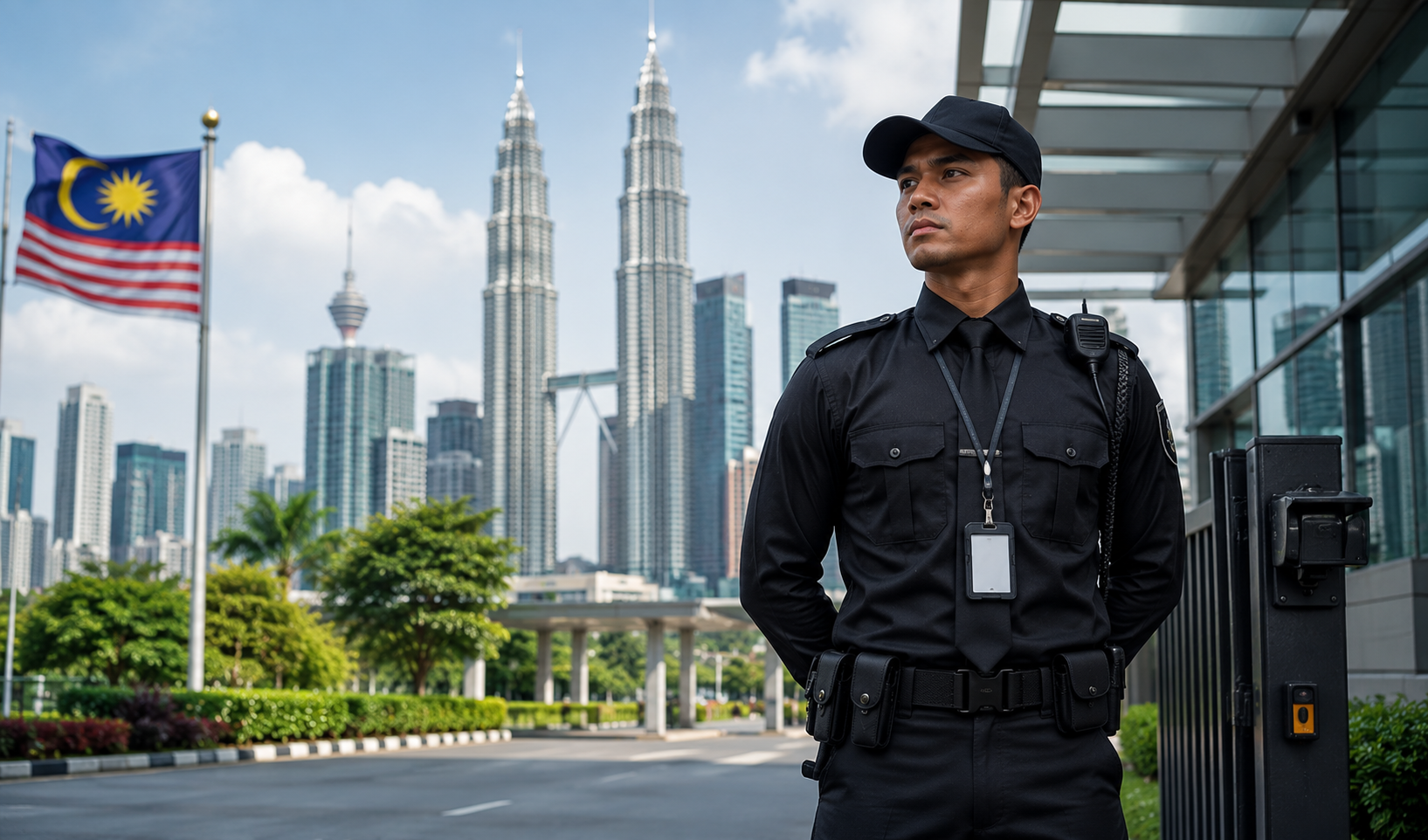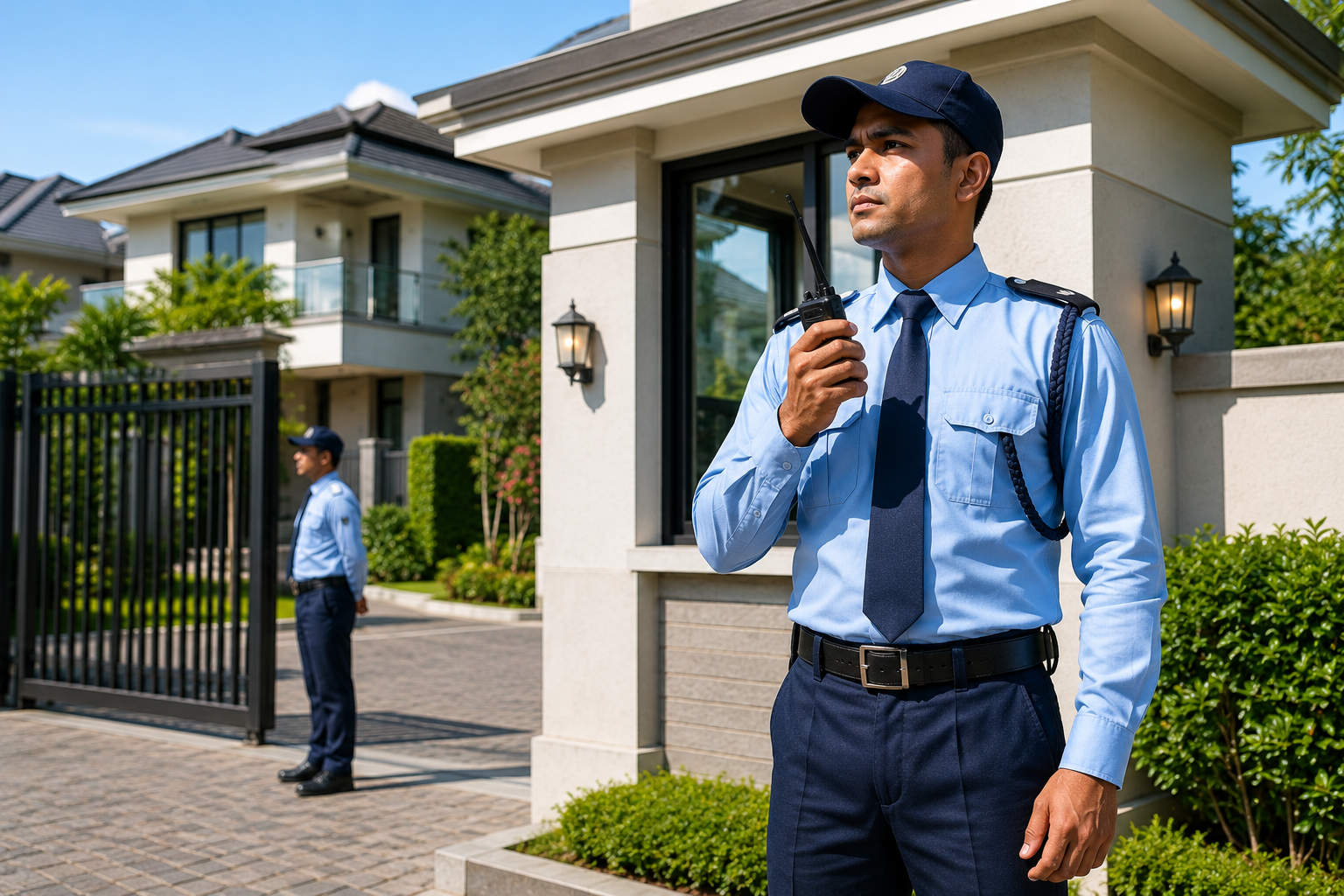
Malaysia’s culture is vibrant, for it has large scale events such as concert, religious gathering and political rally, as well as sports match. Nevertheless, organizing their thousands of attendees’ safety is a meticulous and expert thing to do. Crowd management is a key role that the Malaysia security guard are capable of doing to avoid chaos and to create a safe environment for everyone. So what goes into maintaining order in crowds composed of hundreds, thousands or millions of people? Next, we examine the strategies, psychological principles and the use of it in crowd control in Malaysia.
The Psychology of Crowd Behavior: Understanding Large Gatherings
Crowds are dynamic and unpredictable. A gathering that may start out calm and ordered can very quickly become chaotic as panic can take over, misinformation spreads, or unexpected environmental triggers cause it. The first step preventing a disaster is understanding how crowds behave.
Crowds have a tendency of following the movements of the people around them, even if the actions they take make no sense whatsoever. This may cause stampedes or blockage of entry as well as exit points.
With increasing size of the crowd space for each becomes reduced and lousy, making one uncomfortable and agitated. Personal space being compromised leads people to become more likely to act violently.
Mass hysteria is triggered by a loud noise, a shove, or even a false alarm, which can cause stampedes to become incredibly dangerous. The triggers are so common that security personnel must assume these events and have well defined emergency protocols in place.
Crowd Control Strategies Used in Malaysia
Strategic Placement of Security Personnel
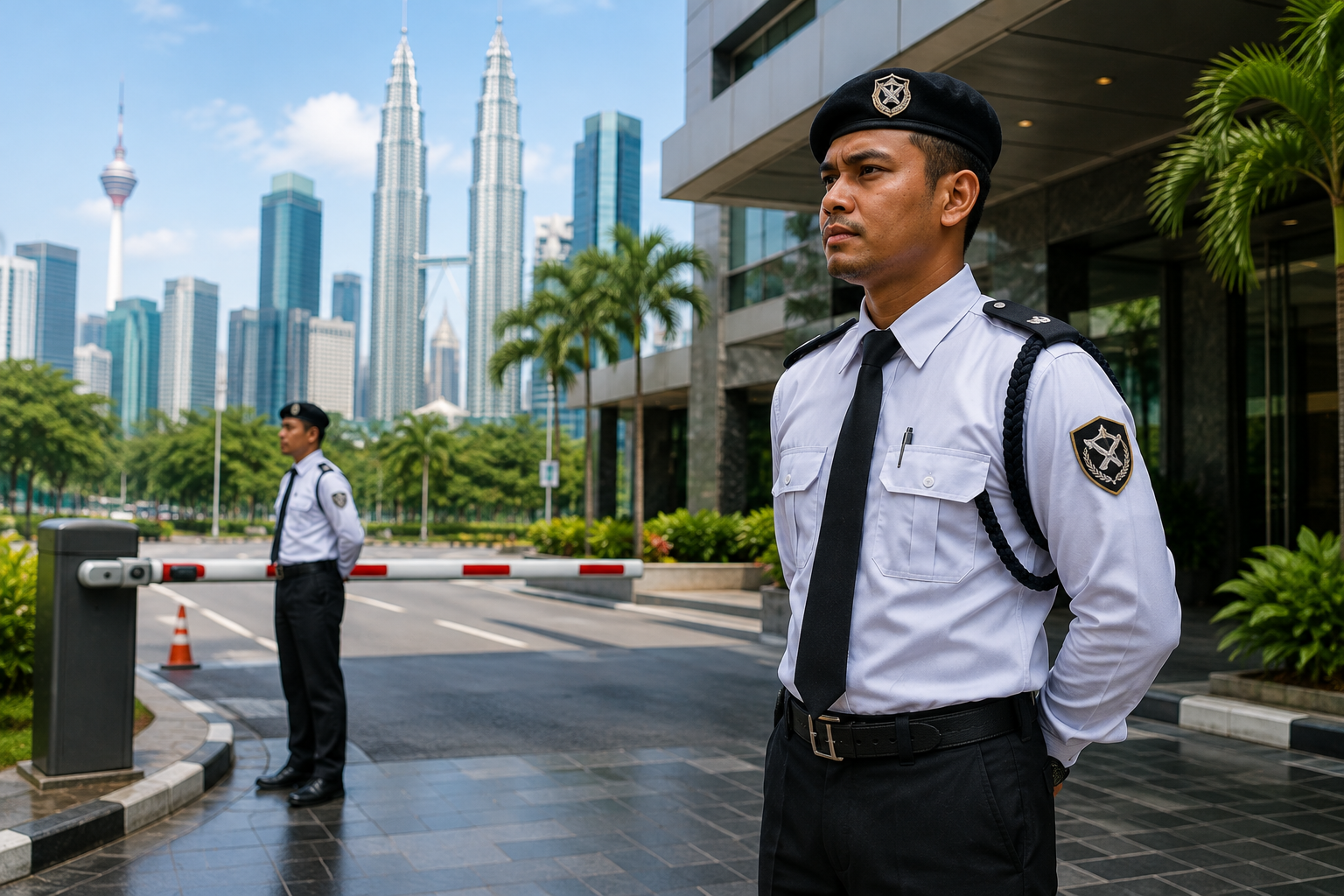
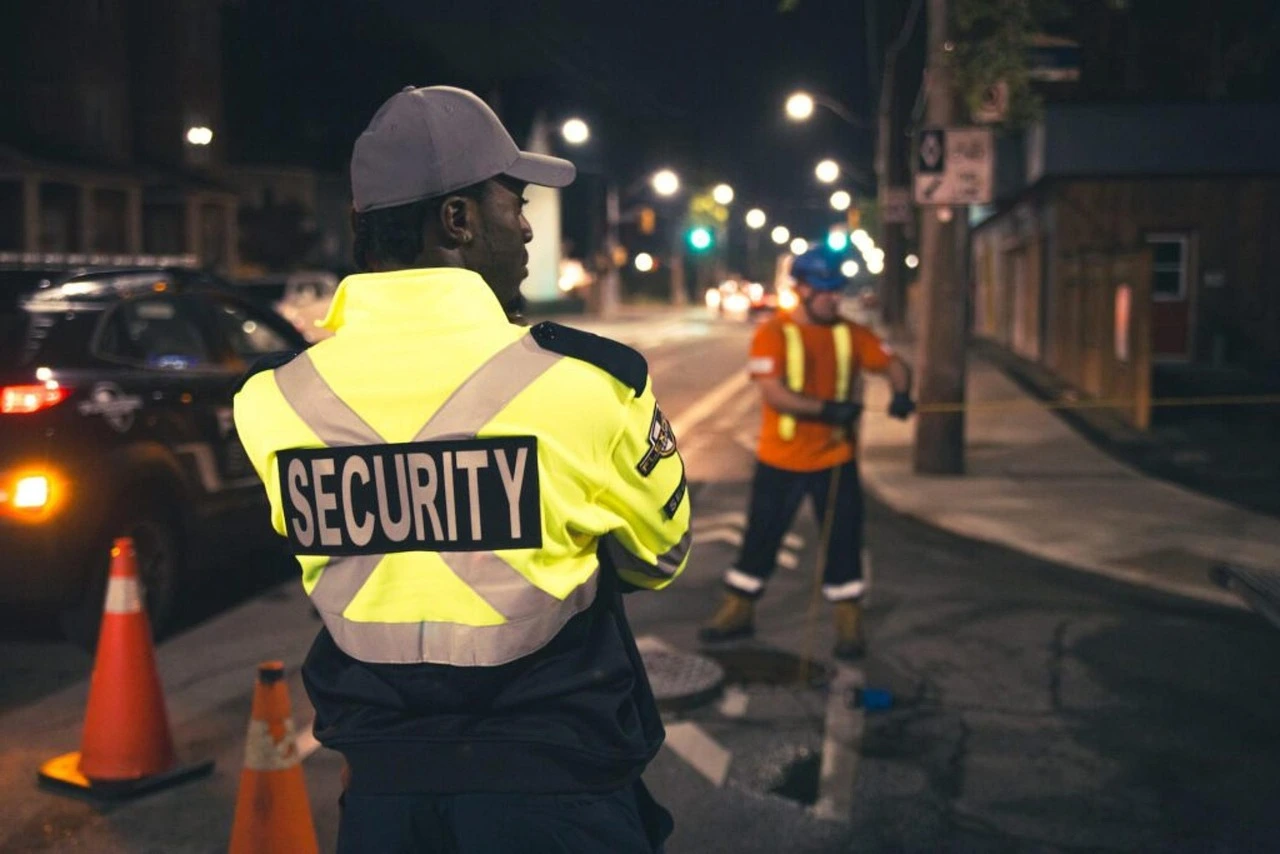
Strategic positioning is one of the most effective ways of managing crowds. High risk zones such as entry points, exit routes, places where crowds usually congregate in a tight knot, can afford Malaysia security guard. It also acts as a deterrent to unruly behavior, a presence which will cause prompt intervention should anything arise.
Controlled Entry and Exit Flow
It is important issue of overcrowding at entry exit points. In order to prevent this risk, event organizers use:
Entry staggered in order to have fewer surges at once.
Ropes and metal barricades to guide people going back and forth between the entrance and the covered area.
Electronic ticketing systems and the scanning system to speed up the entry process.
From the moment the attendees show up authorities assume control over movement and thereby limit the chances of congestion and streamline the screening process.
Advanced Surveillance and Monitoring
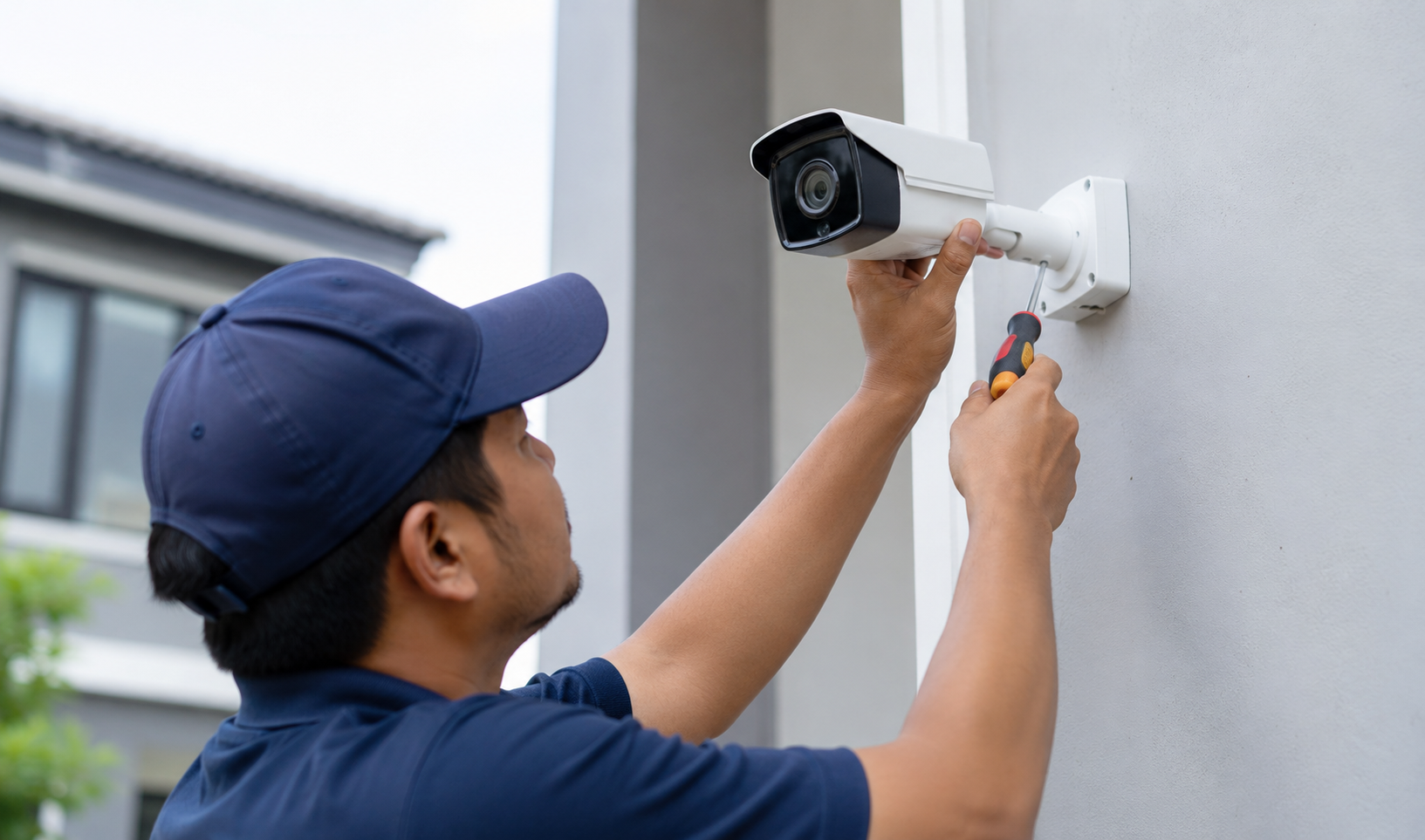
Today, modern crowd control is dependent on technology. Security teams can observe the crowd movement and identify the possible risks in real time; they can do so by means of real time monitoring and thermal cameras and surveillance cameras. Outdoors, drones are increasingly used at event to give visual feed of crowd density to officials so they’re able to make fast decisions about movement and redirection.
Clear Communication and Public Announcements
Clear communication is also very important in high energy. Security teams rely on:
Loudspeakers and digital screens for public announcements.
To service Malaysia’s mix of populations, emergency messages are pre-recorded in multiple languages.
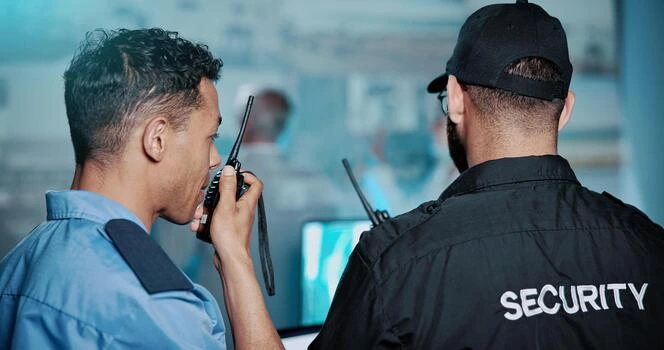
For real-time updates to be relayed to all personnel, radio and mobile communication networks.
This eliminates the chances of miscommunication and panicking by letting both the attendees and the security teams know.
Emergency Evacuation Planning
Emergency do happen even with the best planning. Those large gatherings also pose threats to fire outbreaks, structural collapses and extreme weather conditions. They train affected security teams in:
Rapid evacuation procedures.
Techniques at temporarily dispersing crowds which cause the least amount of injuries.
First aid and basic medical assistance.
These measures will make sure that if an emergency takes place, it will be dealt with quickly and accurately.
Final Thoughts
Security staff, law enforcement share responsibility in crowd management, but also event organizers and attendees. It all comes down to safety, follow safety guidelines, be aware of surroundings, and cooperate with security instructions and it can make a world of difference in the preventing of such dangerous situations.
Future events in the large scale category in Malaysia will of course continue to flourish and so too will the presence of Malaysia security guard in providing public safety. And their experience, changing technology and strategic planning will affect the future of secure and well managed gatherings across the country.