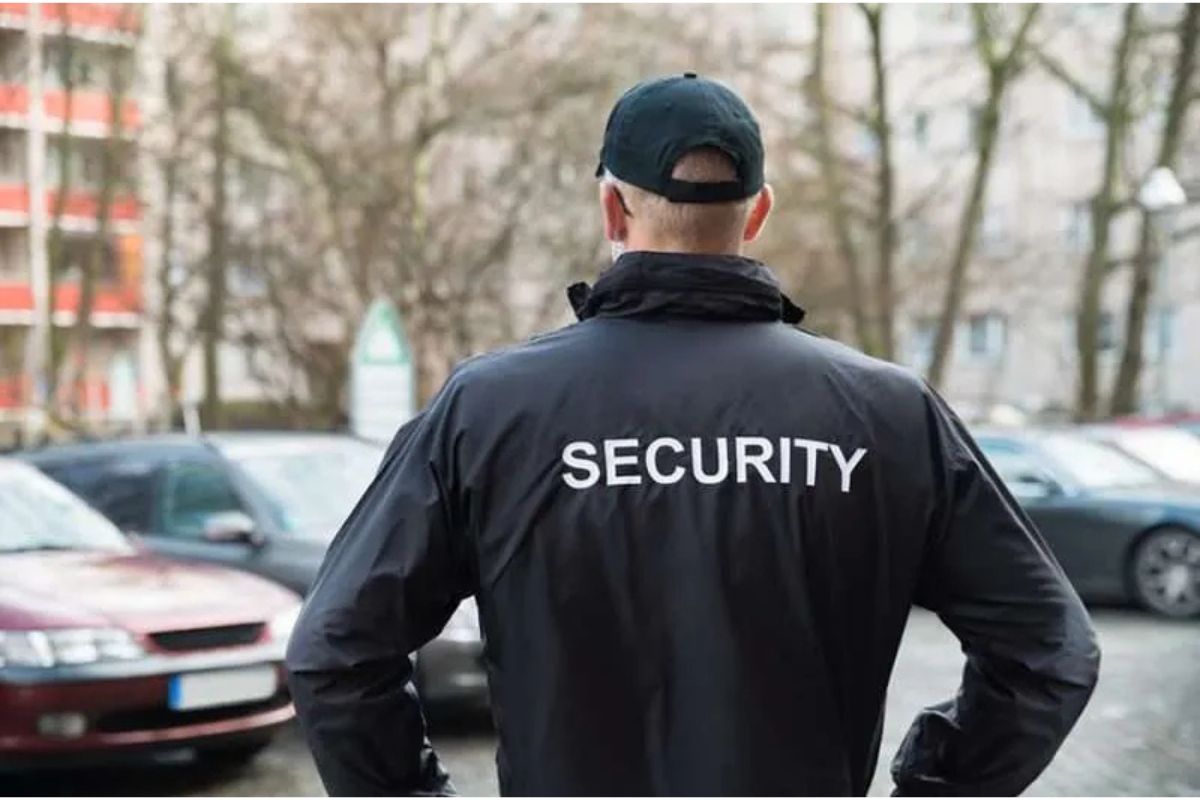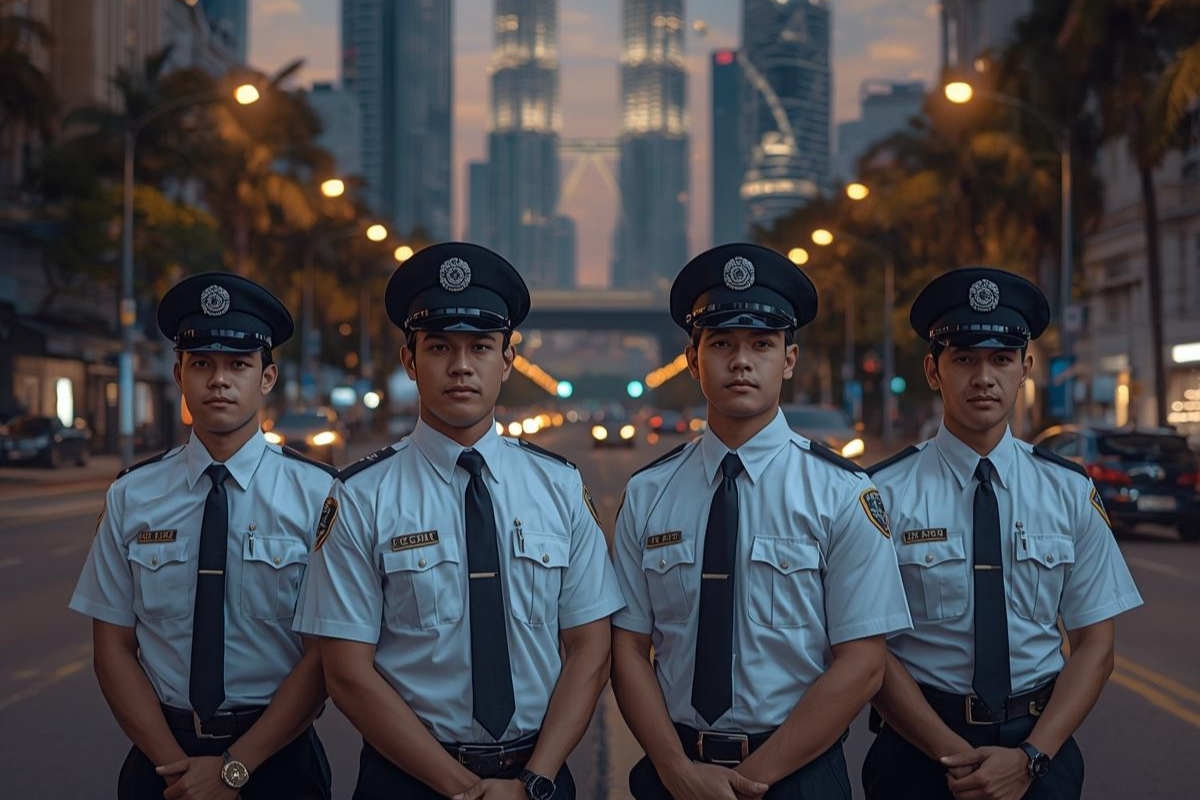
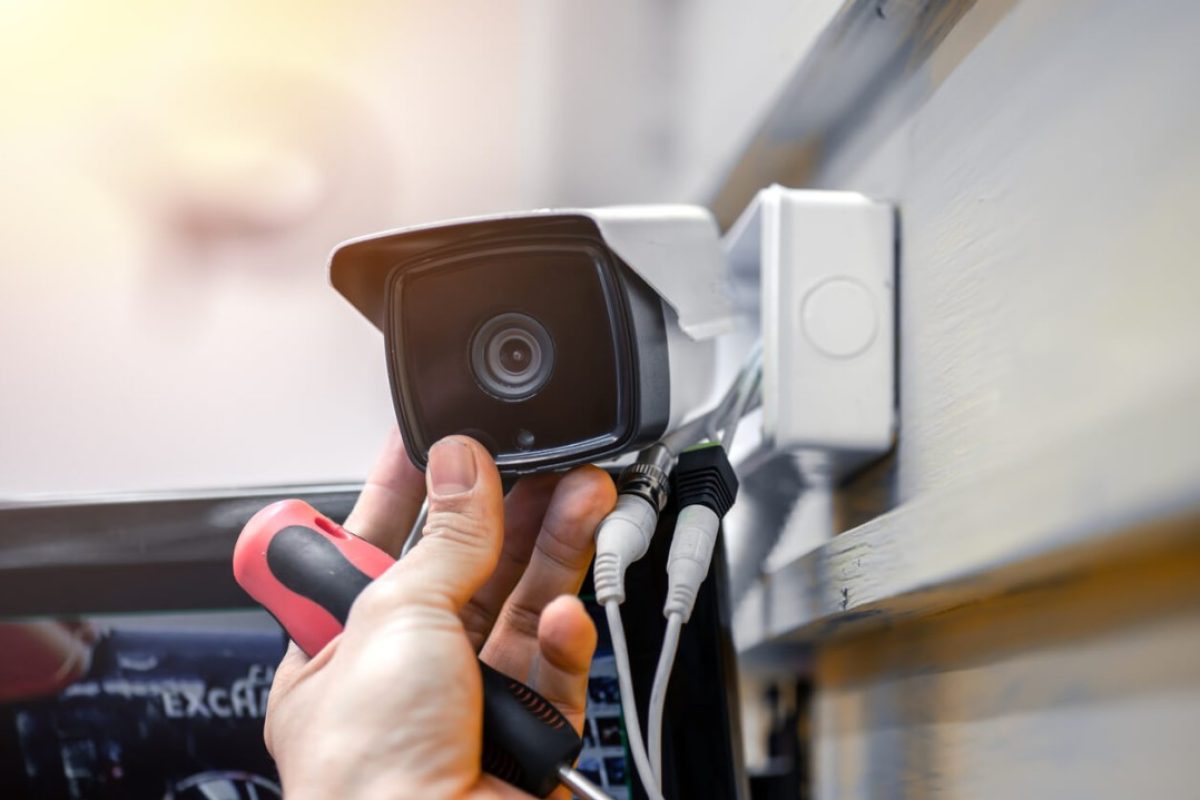
Surveillance systems are becoming more common in Malaysian homes and businesses as property owners and businessmen rely more on them for safety. But with that comes a growing responsibility in the current climate of increased surveillance when installing cameras, which is not an easy task and has a lot of legal frameworks and concerns involving privacy. This article looks at the regulatory environment in Malaysia, and privacy implications and provides practical tips to secure your setup without any violation of the given regulatory rules and regulations.
Understanding Malaysia’s Legal Landscape
Several legal instruments are used to regulate upon Malaysia’s approach to surveillance regulation as they are intended to balance such safety with the security of individual privacy rights. The Personal Data Protection Act 2010 (PDPA) is the cornerstone of data protection in the country. Primarily described for its practical application in commercial media data, the paper’s principles apply also to the handling and storage of video footage from surveillance systems. It’s important for business owners and property owners to be aware that businesses and residential property owners have to be careful how they collect, store and use surveillance data.
Besides the PDPA, there are other relevant local guidelines and policies concerning the operation of the surveillance systems. Recommendations from Malaysian Communications and Multimedia Commission (MCMC) to make installations so that they do not violate people’s privacy are provided by government bodies. As a simple example, placing cameras in a shared space or around the public requires the same clear signage, and receipt of consent, from those being surveilled to maintain the ethical and the legal standards.
Privacy Concerns and Data Protection
Surveillance cameras are a fine deterrent to crime, but they also present such massive privacy problems. The tension between the need for security and the right to privacy is always present in Malaysia. Breach of personal information can happen when footage is misused or there are no data protection measures in place. As a result it is important for the property owners to understand the limits of their legal responsibilities.
Data retention is one of the key consideration. The Malaysian guidelines say that video should not be kept for long without a purpose. Instead, it should then be stored in a secure fashion for a limited period of time before, unless a compelling reason exists (such as ongoing investigation), it needs to be deleted. In addition to this, any surveillance system that is deployed must a have strong cyber protection plan to avoid any unauthorized access, and that the information sensitive should not be falling in the hands of the wrong people.
Such implications also have ethical importance. Public safety should never be subjected to the whims of those who wish to exploit the citizens’ right to privacy. As an example, residential surveillance in a crowded area like Kuala Lumpur has to be handled with care, because this will encroach on a neighbour’s or passersby’s privacy. In particular, reliability of privacy is particularly important, because community trust can be lost easily, if the surveillance is construed as intrusive (thereby not protective).
Best Practices for Compliance
Several best practices can be followed for Malaysian businesses and homeowners who are keen on improving security without compromising their privacy:
Consent: Always get the consent of those that might appear unformed on film. Not only is this a legal requirement, but it’s a best practice to keep trust. Display clear signage in shared environments (office building, shopping centres, residential centres) that warns visitors that surveillance cameras are present.
Establishment of Data Management Policies: Construct policies on how surveillance data will be handled. This can be the specification of the retention periods or delete protocols, data secure storage, and data deletion protocols. Regular audits can ensure the adherence to PDPA and any regional guideline issued by regulatory bodies.
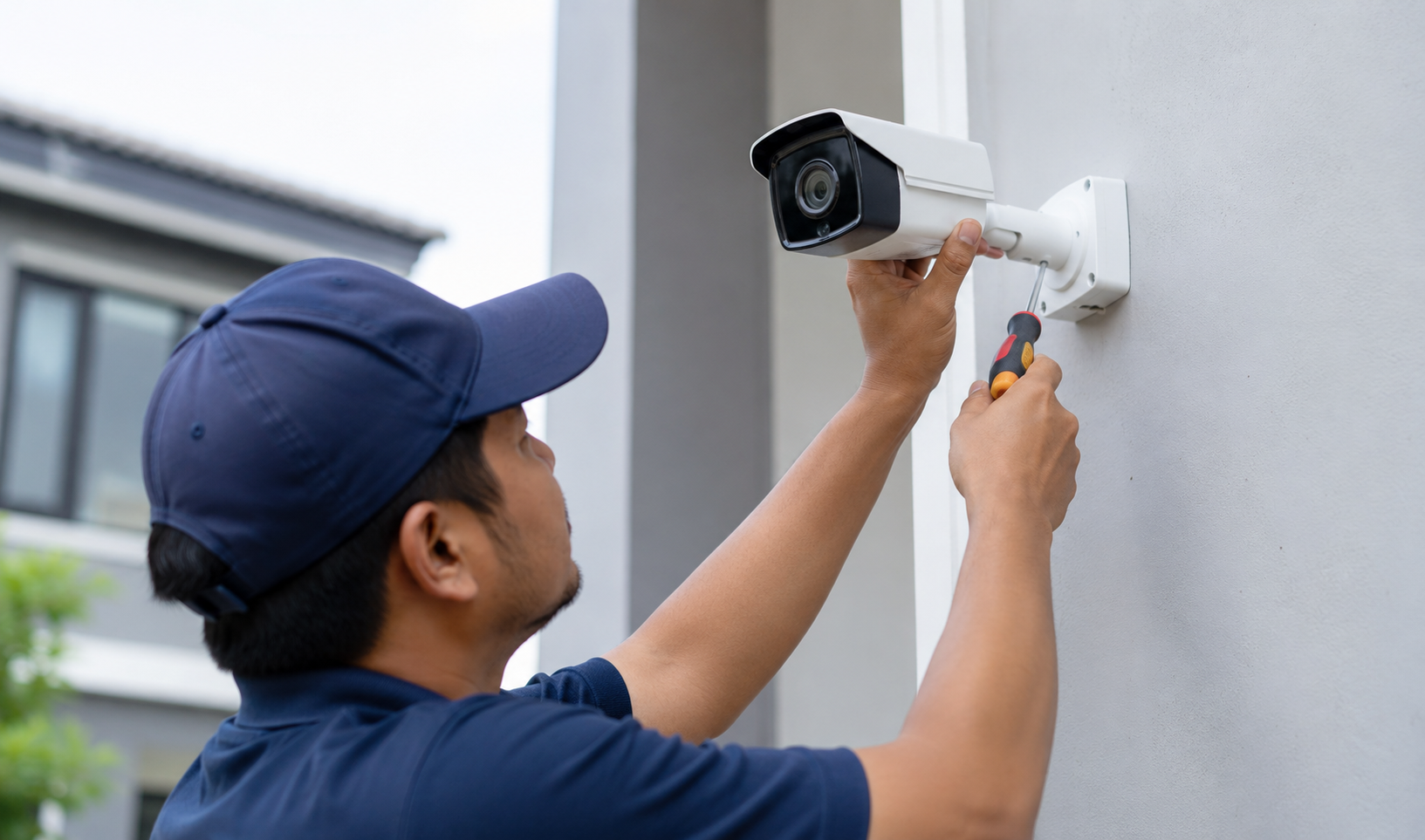
Therefore, we recommend working with qualified professionals for installation. The task is quite technical and legal at the same time. Many other experts who place their specialty on cctv installation Malaysia guarantee that Equally the Systems are not only technologically equipped but likewise condoned by the latest legal standards.
Technology and legal standards are changing regularly and there are regular training and updates for those in the field. Regular training sessions for the staff entrusted to manage the surveillance systems and periodic review of policies will stave off inadvertent breaches and be able to respond to the new trends in cybersecurity.
Secondly, whenever anything is uncertain, consult with those who are experts on privacy and data protection laws. They can give you personalized advice regardless of if you are upgrading your home security system or adopting comprehensive surveillance systems in a business.
Moreover, you can barter the risks of data breaching by integrating the advanced technologies like encryption and multi-factor authentication in your surveillance system. Such measures do not only protect your information but show you the care for privacy rights, a critical issue with today’s security conscious society.
Conclusion
Managing Malaysia’s surveillance environment is a balancing act where the security can be improved while still respecting privacy rights. In this case, however, with the existence of solid legal frameworks such as the PDPA 2010, property owner should be watchful over servers who are tasked to handle and save data. As a homeowner or business operator, you need to know about these legal and ethical nuances when setting up your place thus ensuring you have all things in check to remain secured and also respect the rights and consent of everyone.
So, for those people who do decide to upgrade their system, it pays to seek out expert assistance. If you need cctv installation malaysia, then hiring an trustworthy service provider for the same can come in handy since they could help guarantee that your security solutions not just work, however likewise abide by all existing legislations and also ethical directions. Conserving the fundamental rights of all citizens and making the communities safer on the other hand, can be achieved by undertaking regulation, privacy, and protection of the Malaysians in a proactive manner.