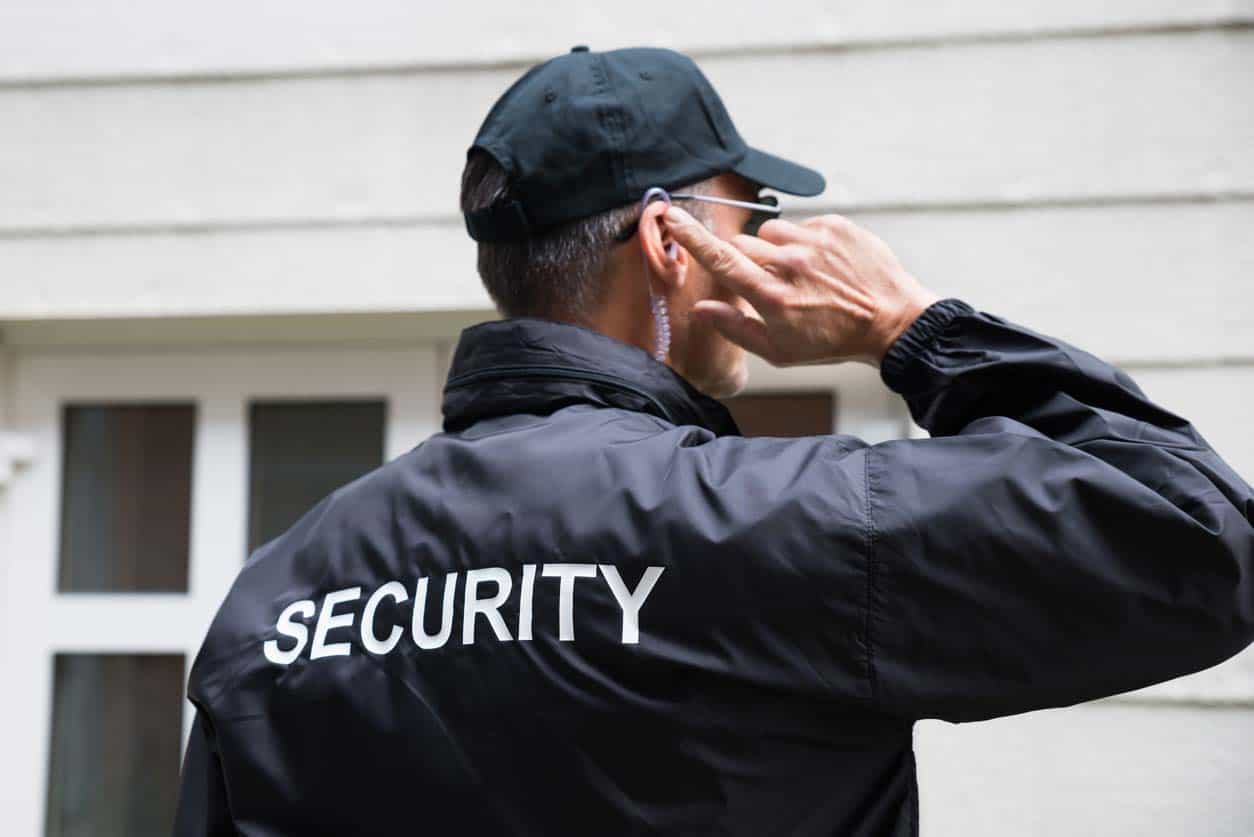

Living in a guarded home in many Malaysian neighbourhoods is not just a lifestyle choice, but it is assumed to be a protection against crime. Whether it is boom gates or roving patrols, the locals have nothing but immense faith in the presence of a security force Malaysia to ensure the preservation of their tranquility. However, with break-ins still happening even despite such layers of security, there is one very disturbing realization to be found: occasionally, it is not the absence of security, but rather the predictable nature of habits that makes homes victim to break-ins.
When you are too Far Gone to Care
Patterns are scary. You move as a family- school time is at 7.30, office time is 8, evening time is at 7. Massage therapists, cleaners, and maintenance workers all come on the same days, and packages are ordered to be left at the same corners. The thing that seems ordinary to those who live there, appears as an opportunity to those who visit it.
An incident where a gated community in Petaling Jaya was taken to its task will be a good guide on how dangerous it might be. On a national holiday and in time of dinner, a house was broken into. Later CCTV revealed that the intruders had been surveiling the vicinity since weeks making and disguising themselves as delivery riders. Their drift was nonchalant, controlled and most gallingly, habitual. These people were not new at the gate, and that is why the guards did not suspect them. It is not because this system had a breach, it failed because it became predictable.
The Constraints Backing the Uniform
Although a security force Malaysia can be utilized as first line of defense, it is hardly the final one. Guards are forced to work long hours and in most cases alternate too frequently. As time passes by familiarity blunts vigilance. When faces turn common, less questions are asked. Residents feel secure when they see guards and gates and thus are inclined to become lax in their individual security precautions, believing they are being observed because they are a part of the guardian system.
This trust may be quite hazardous. This is because in most residential arrangements, the security services are outsourced and casually observed. The guards might never come in contact with the residents, leave alone question the nature of their training or experience. The assumption is that vetting has been done by another person. Such a oversight loophole can open up security gaps, or even inside jobs, only to be realized when it is late.
Nor is technology a sure thing either. A gate camera just picks what is right before the camera. A CCTV recording becomes helpful after a case and not prior. During short errands, motion sensors and alarms usually remain discharged or completely out of mind. These tools only become ineffective when they are not actively managed.
The Reasons Why Your Routine Might Be Better to the Criminals than the Guards
The new modern criminal does not use brute force; he uses invisibility. They sneak through the security of locked estates and communities disguised as contractors, couriers or even visitors. When they are finally inside, they do not attack straight away, they watch. They notice when people are leaving, which houses are left longest, where the guard is not looking. They understand when the street is least crowded and which families are always having their lights switched off at a particular time.
Others even take it to extremes. Being friendly with security guards, flirting with house helps, or spying on residents in their public social media statuses: these are easy low-cost methods of obtaining the valuable information. In one of the recent incidents, a homeowner put up a leisure trip abroad on Instagram as she left her condo unit vacant. Days afterwards the door was broke open. The intruders did not have to guess but just observe and wait.
The problematic thing is? The guards at the residence were never placed on alert, as there was nothing unusual in the intruder approaching. Their face seemed to be familiar. This is time of peak hours. Their leaving was clinical.
Reconceptualizing the concept of Secure Living
Security is no longer a passive affair but a hands-down participation. Most Malaysians think that it stops at the gate when they move into a gated community or employ a security force Malaysia. However, good security involves teamwork. It constitutes the detection of hitherto unseen patterns, challenge of patterns that are too familiar, and a culture of watchfulness even where it appears to be safe.
Such basic measures as the modification of routine, visits to neighbours, and the revision of entry procedures can create a measurable impact. A living system approach to security, such that it must periodically be reviewed and updated, is much more useful than statutory electric fences or friendly faces.
Conclusion
Originally, there is a sense of ease that comes with living in a gated, or a guarded home but that is only the case when you supplement it with alertness/flexibility. The worst presumption that the Malaysians can make is that a uniform ensures comfort and safety. Criminals do not have to break a way in they just have to fit in. And it is disappointingly often that this is made easy by not a breakdown in systems, but in perceiving how the format of our own routines generates a blueprint of theirs. Whenever you look at security guards on patrol or your home security app, you should ask yourself: am I watching back or am I merely hoping that somebody is?