The security of the event is an important aspect of the event management process that makes the event safe to the attendees, music organizers, performers, and the infrastructure. Large crowds are involved in public events like concerts, exhibitions, conferences, and even intimate parties with complicated logistics. Event security aims at the prevention of risks, regulated access, and management of incidents. Properly laid down security arrangements may assist in the preservation of order, minimization of threats which may occur and to achieve the smooth running of events without any interference.
Risk Pre-Event Assessment Importance.
The first step towards successful implementation of event security is risk assessment. Each event has its own risks depending on the place, number of people, type of activities and time span. Risk assessment determines possible risks that include overcrowding, intrusion, or emergency cases. Knowledge of these risks enables the security team to work out adequate control measures. The correct assessment minimizes the vulnerabilities and enhances the preparedness prior to the commencement of the event.
Movement Management and Control of the Crowds.
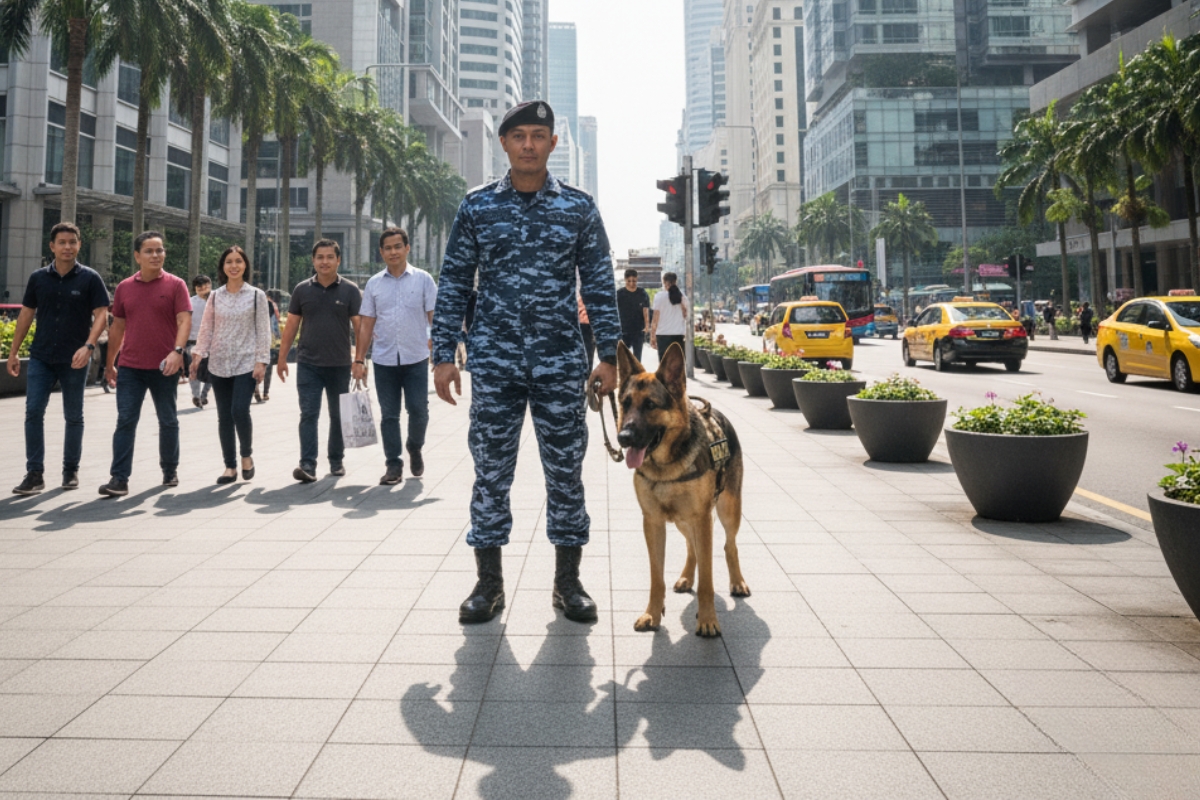
Event security management is a fundamental task of crowd control. The big crowds need to have a system of entry and exit and flow within them so as to avoid congestion and accidents. Security guards assist people in their directions, control lines, and monitor crowded zones. Proper management of the crowd reduces panic and helps in adherence to safety precautions which provide a comfortable and safe atmosphere to the attendees.
Perimeter Security And Access Control.
Access control is necessary so that only authorized individuals can get access. Security personnel of the events validate tickets and passes, as well as identification, at the check-in points. Perimeter security will block unauthorized access to restricted places like backstage or technical rooms or the area of VIP. Secured access helps to secure sensitive areas and minimize the security breach during an event.
The Task Of Trained Event Security Personnel.
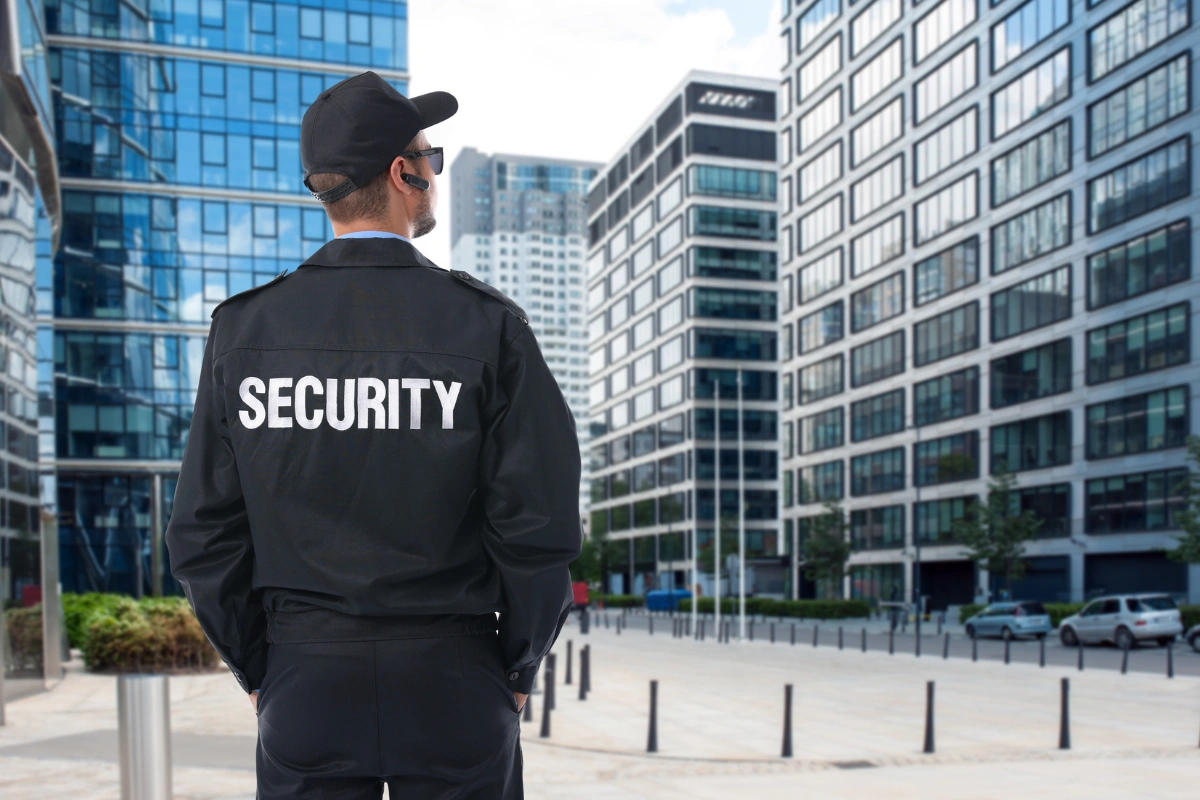
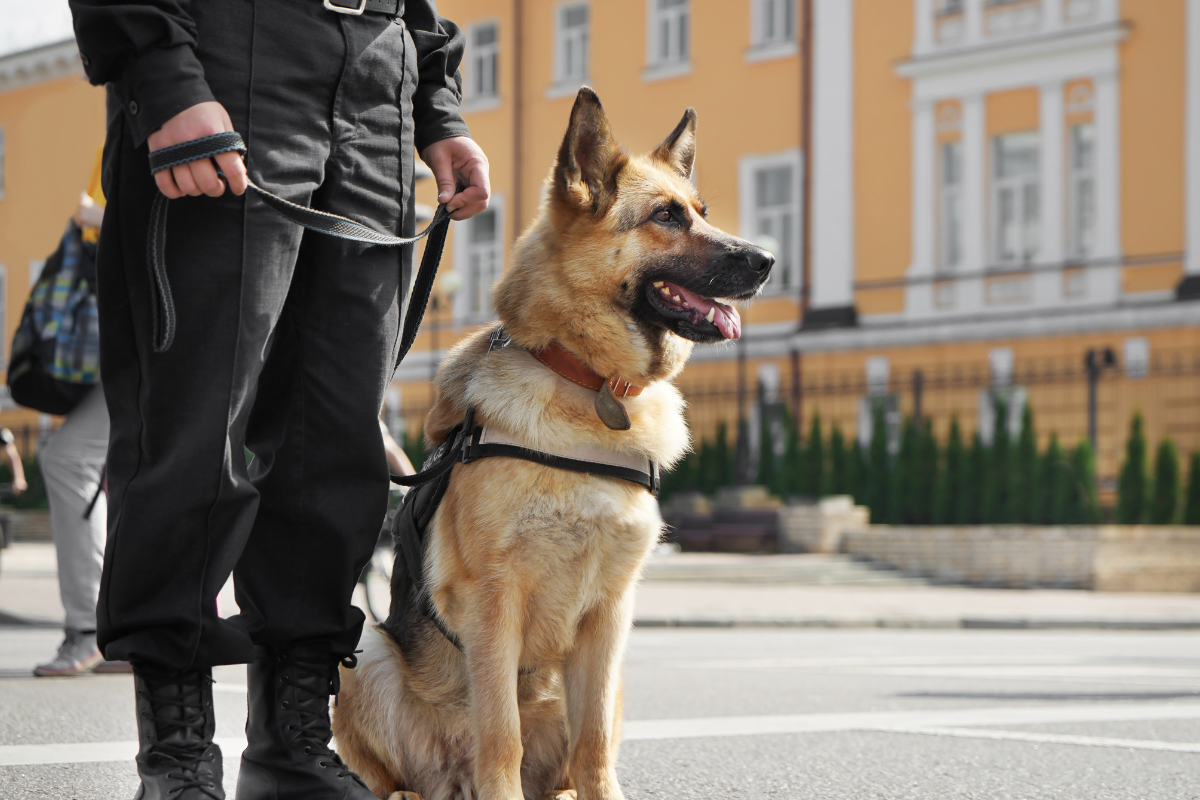
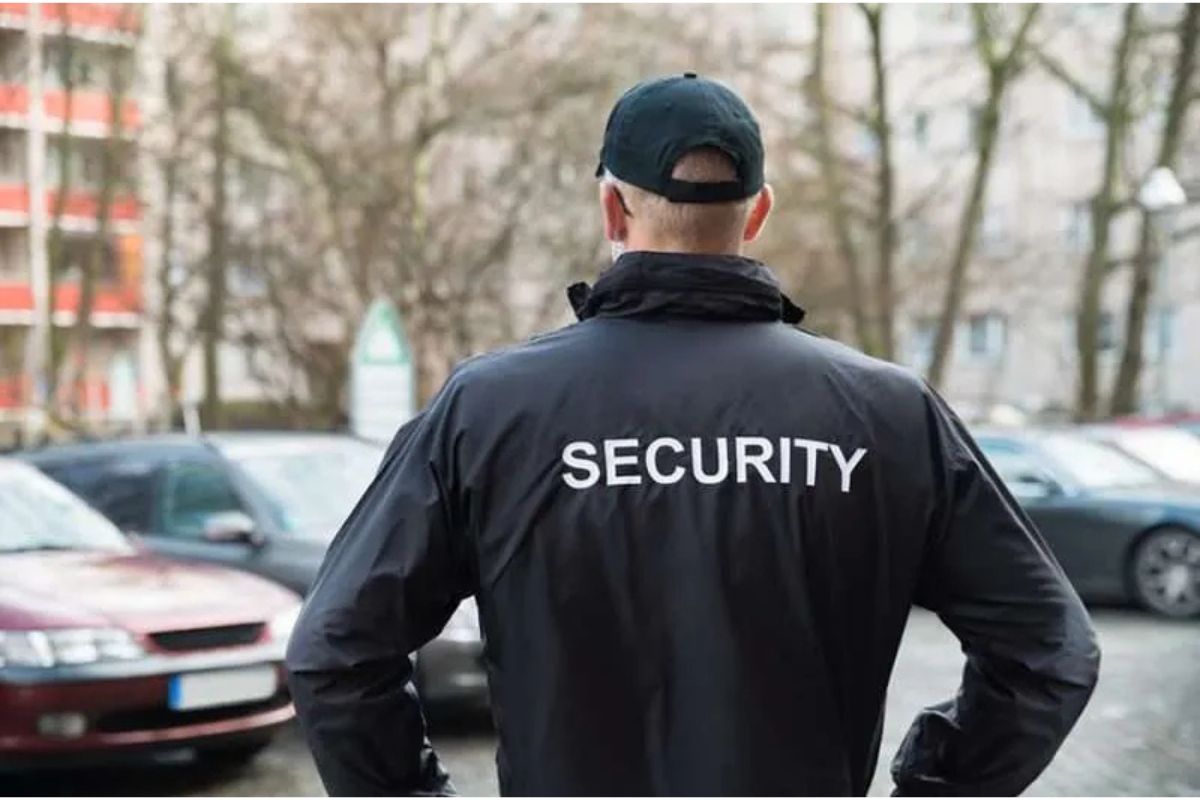
The security personnel are trained people who are the backbone of the event security. Security staff ensures they pay attention to the behavior, detect possible threats, and impose rules on the events. The training will involve communication, conflict de-escalation training, and emergency response. The professional conduct makes sure that problems are met in a calm and efficient way that creates a favorable environment to the attendees.
Emergency Preparedness And Response Planning.
Emergency preparedness is an important event security element. Security teams are trained how to handle the situation in case of medical emergency, fire hazard or unexpected disturbances. Emergency response planning incorporates evacuation routes, meeting points and liaison with emergency services. Quick and well coordinated reaction reduces damages and regains control in emergency cases.
Security Of Infrastructure and Equipment at an Event.
The equipment that is involved in events includes sound systems, lighting, staging, and digital installations. Event security ensures such assets are not stolen, vandalized or damaged by accident. The surveillance is carried out by security guards over storage facilities and technical premises. Infrastructure security will guarantee continuity of operations of the event and avoid losses.
Cooperation With organizers and authorities of events.
Successful event security would entail close liaison with event organizers, venue workers, and local officials. Effective communication ensures that security measures and schedule of events and operations are in line with the needs. Coordination helps in fast decision making and effective handling of incidents. Close cooperation increases the general situation awareness and control of operations.
Application of Technology In Event Security.
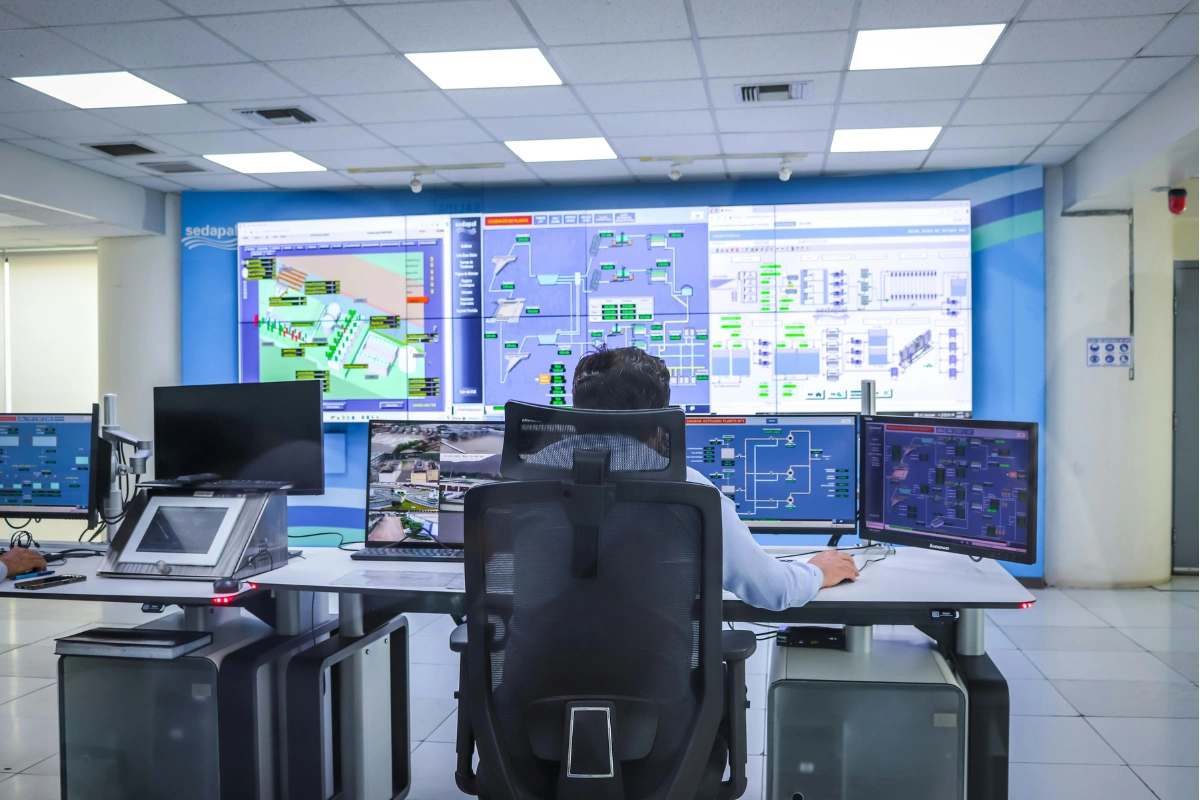
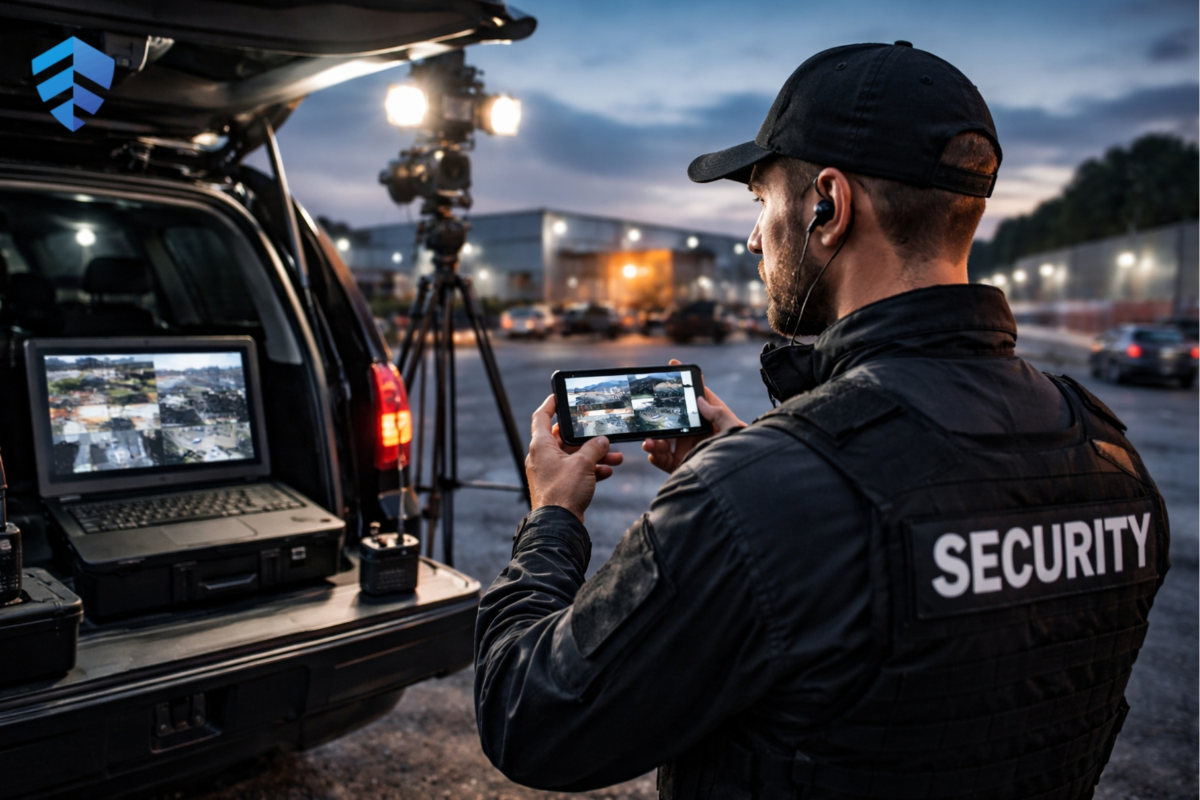
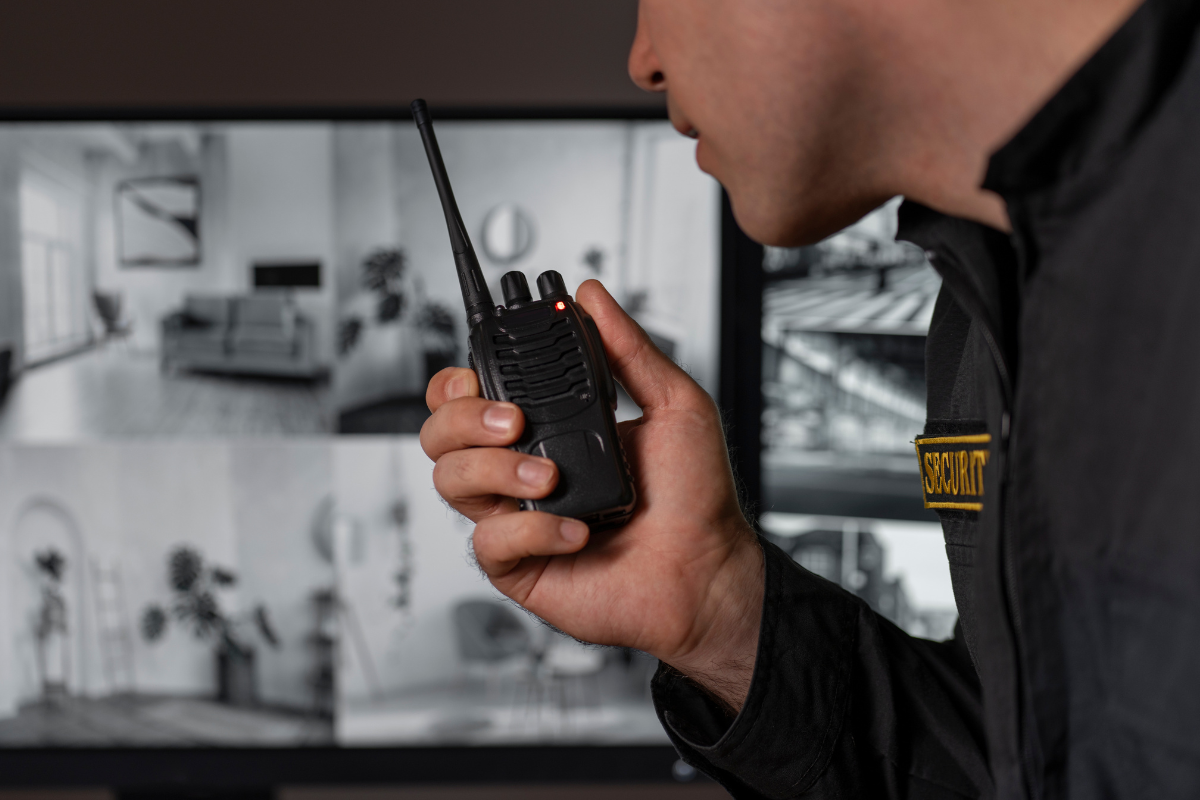
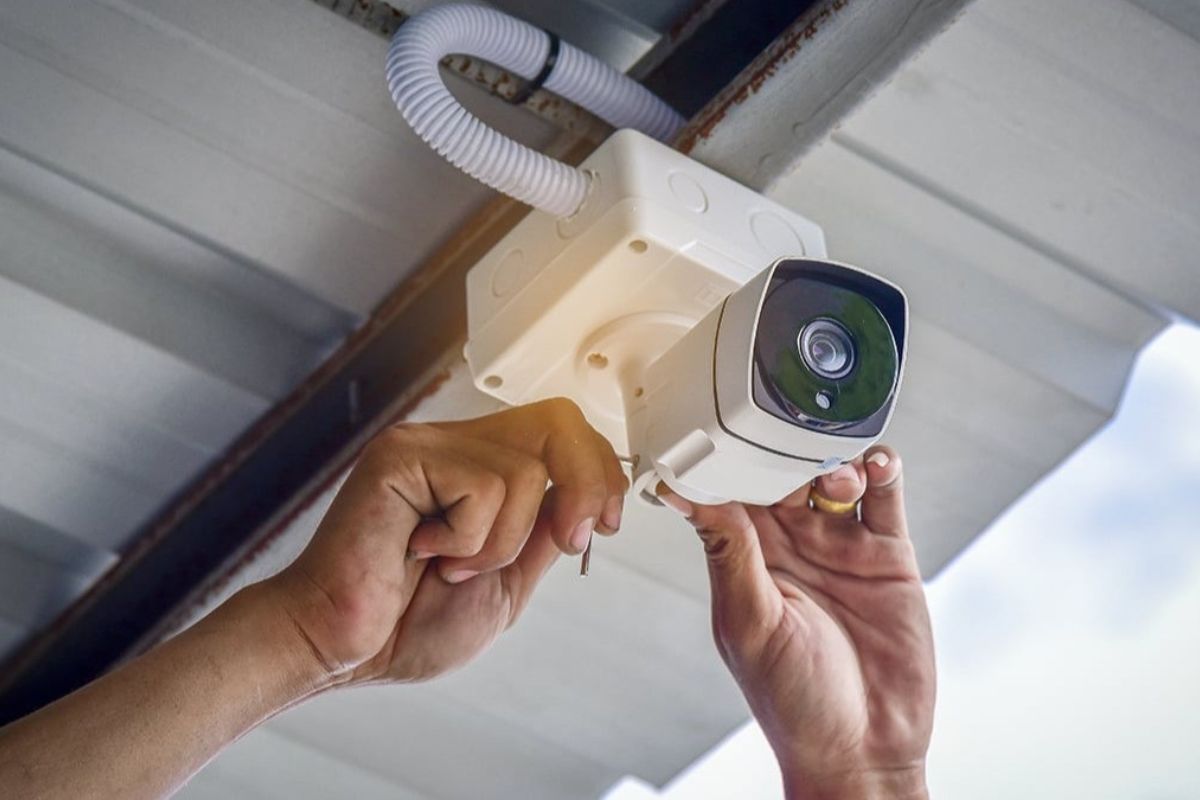
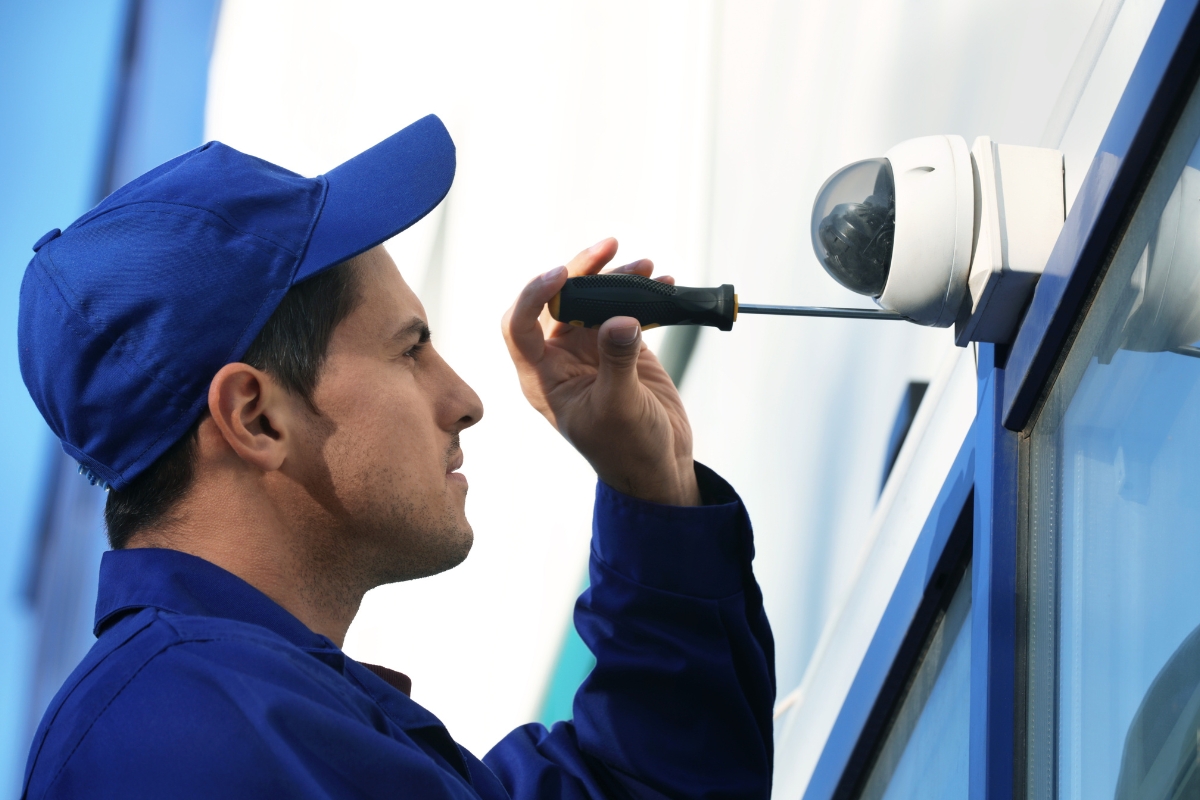
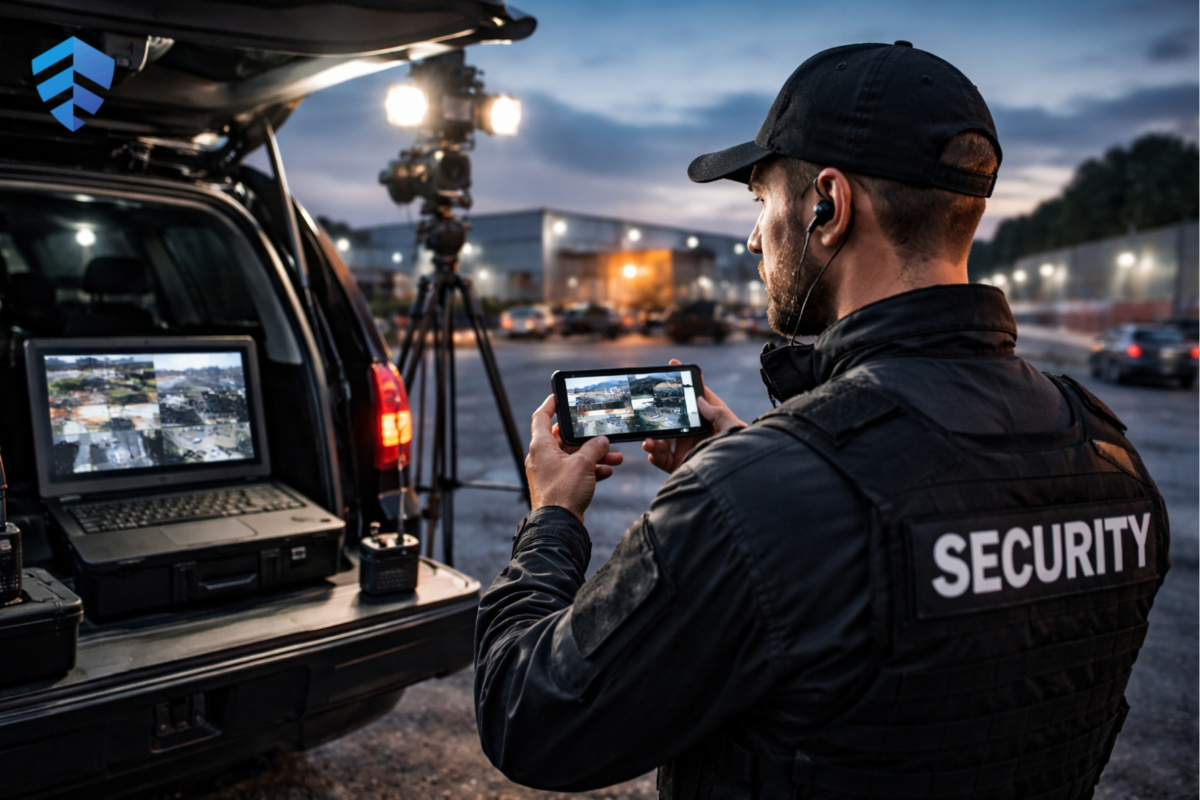
There is a growing role of technology in the security management of events. Surveillance cameras, access control equipment and communication devices increase visibility and coordination. Problems can be identified fast due to real-time monitoring. Using technology alongside physical ground operators will result in a multi-tiered security system that will enhance efficiency and dependability.
Treating Behavioral And Alcohol Related Dangers.
There are other security issues associated with events that involve alcohol use or high-energy. The security guards of the events keep watch over the behavior to avert any disorderly behavior or conflict. This can be de-escalated with the help of early intervention. Behavioral risk management helps in ensuring the safety of the attendees and the reputation of the event.
Adherence To Safety Rules and Capacity.
Security operations in the events should not exceed safety requirements and venue capacity. The implementation of these standards minimizes the liability and legal compliance. Occupancy, emergency exits, and restricted areas are watched over by security teams. Compliance will help to ensure safe operations and safeguard all the stakeholders involved.
Event Security Importance Conclusion.
Security of events is vital in the security of human beings, property and operations in the case of any event of any magnitude. Security measures are achieved through risk assessment and use of trained personnel, crowd management and emergency preparedness to safeguard and organise events. Following the increasingly rising size and complexity of the events, professional event security emerges as an essential constituent of responsible and successful event management.