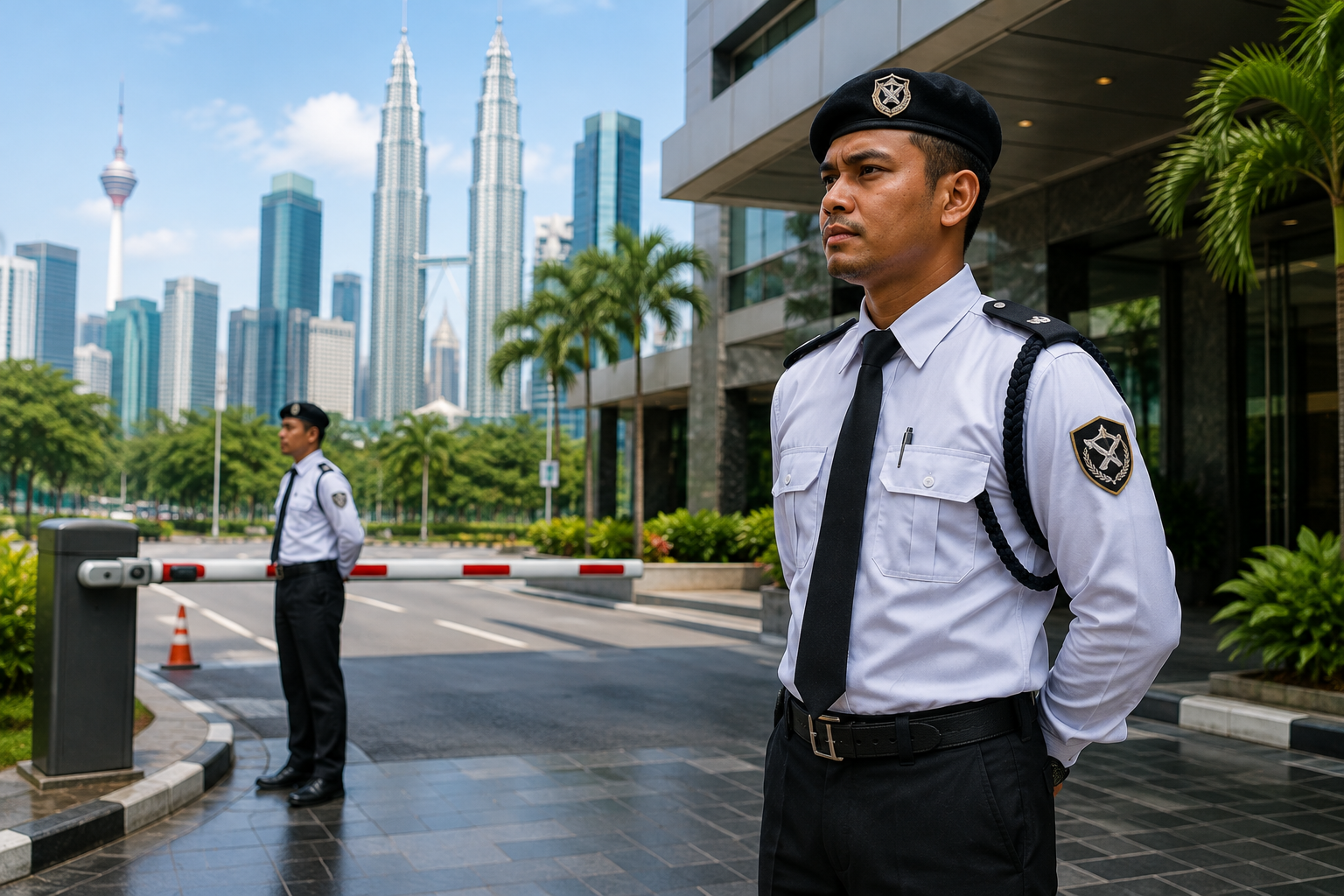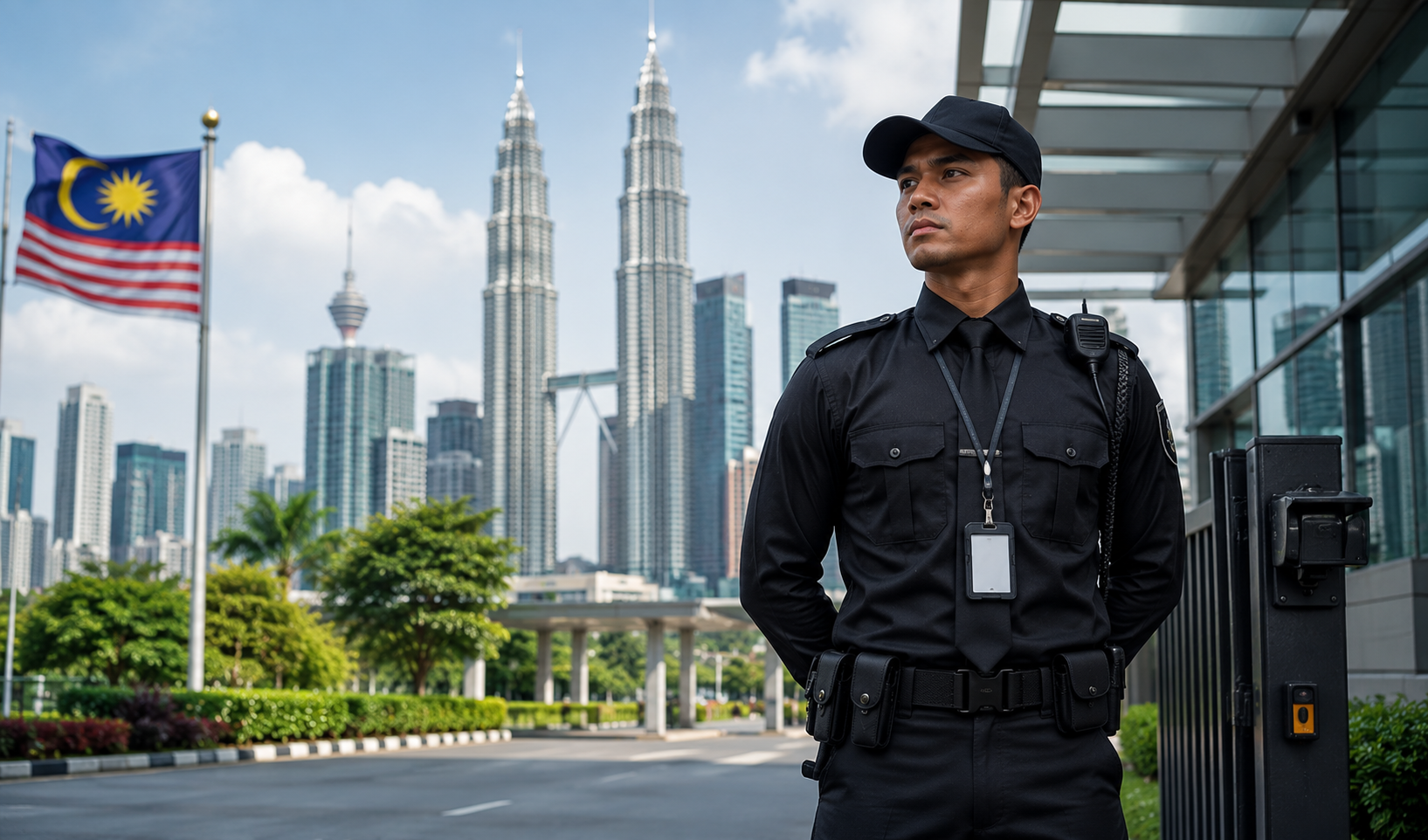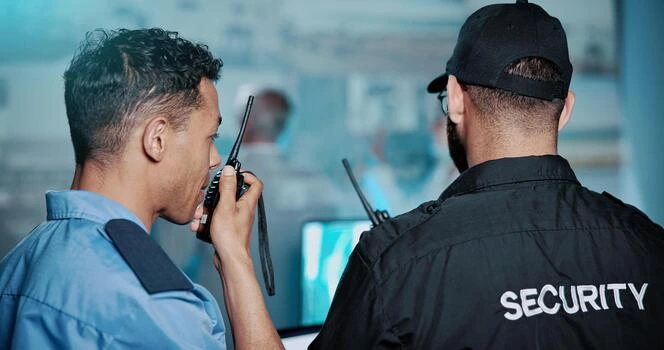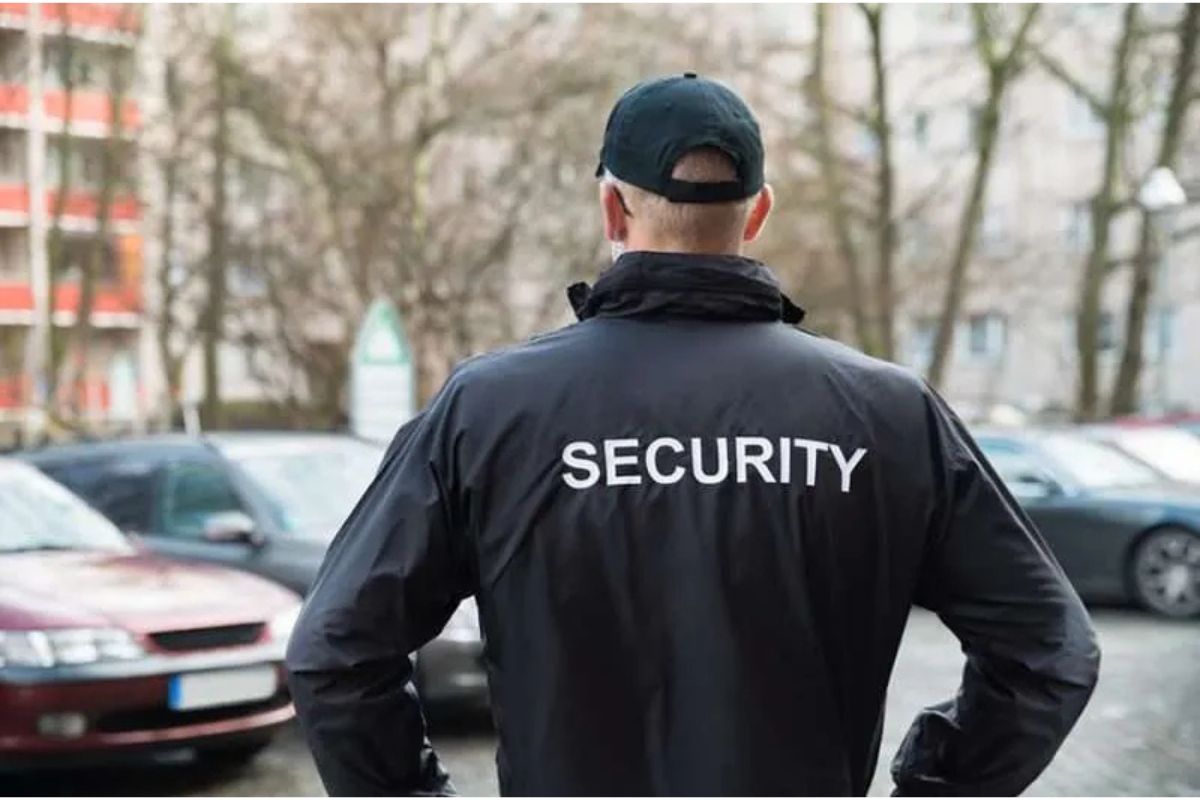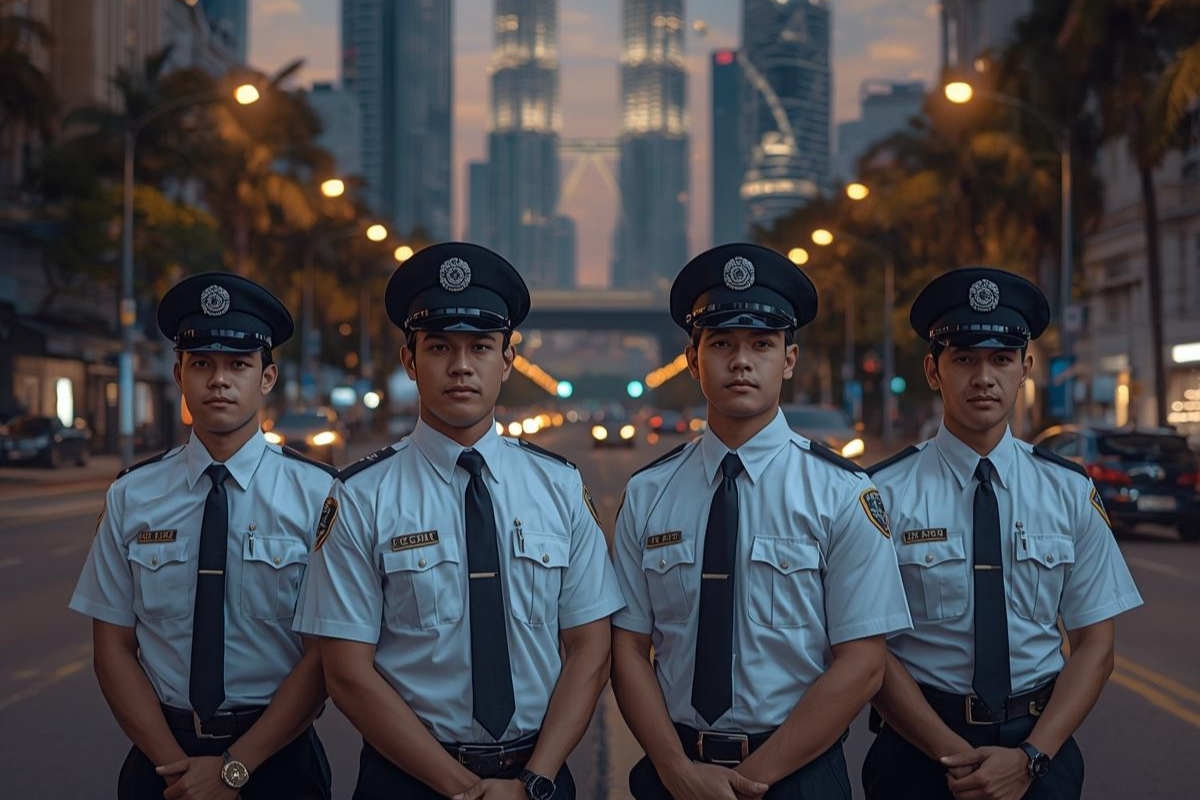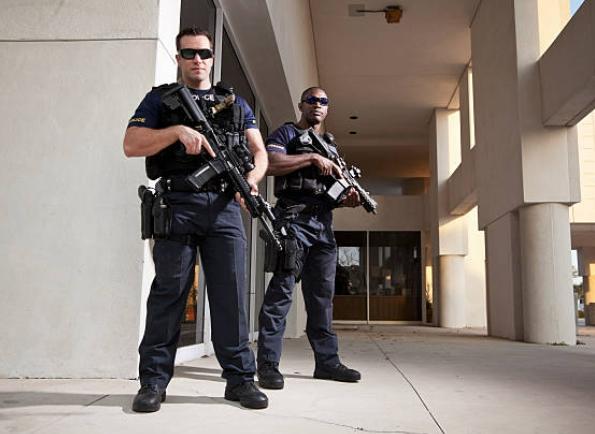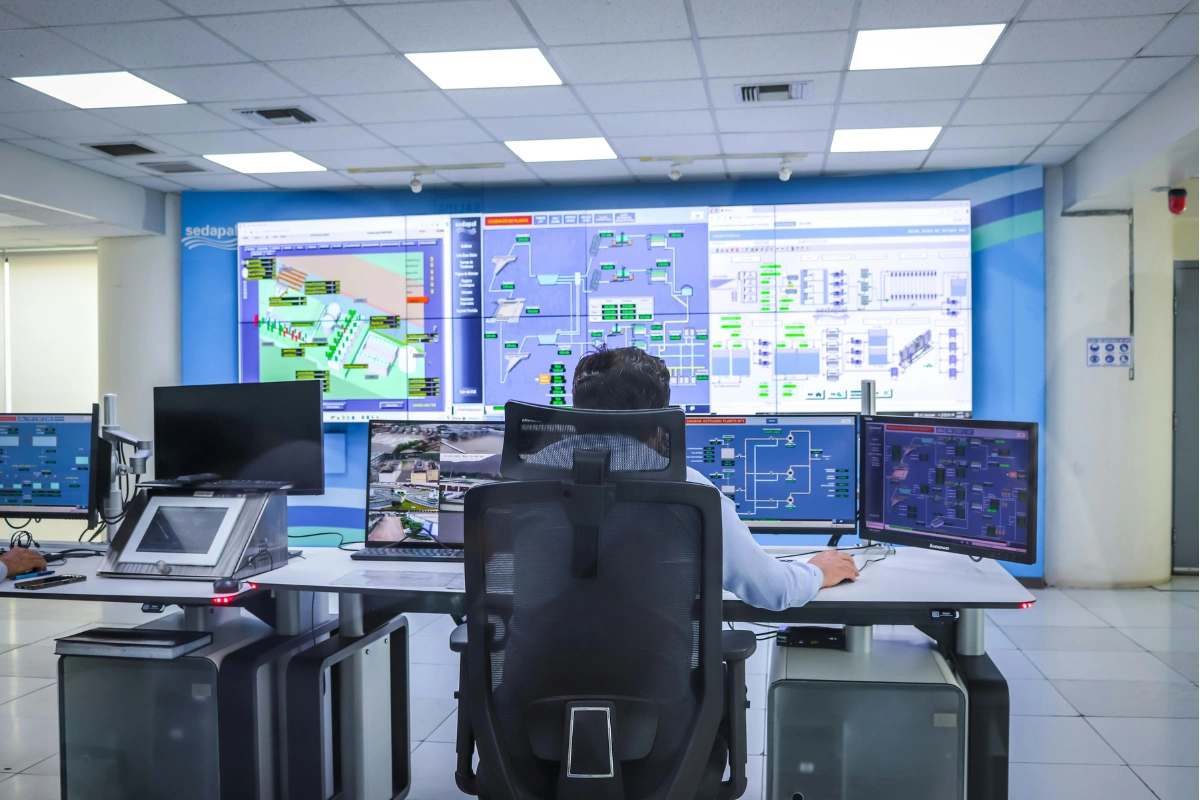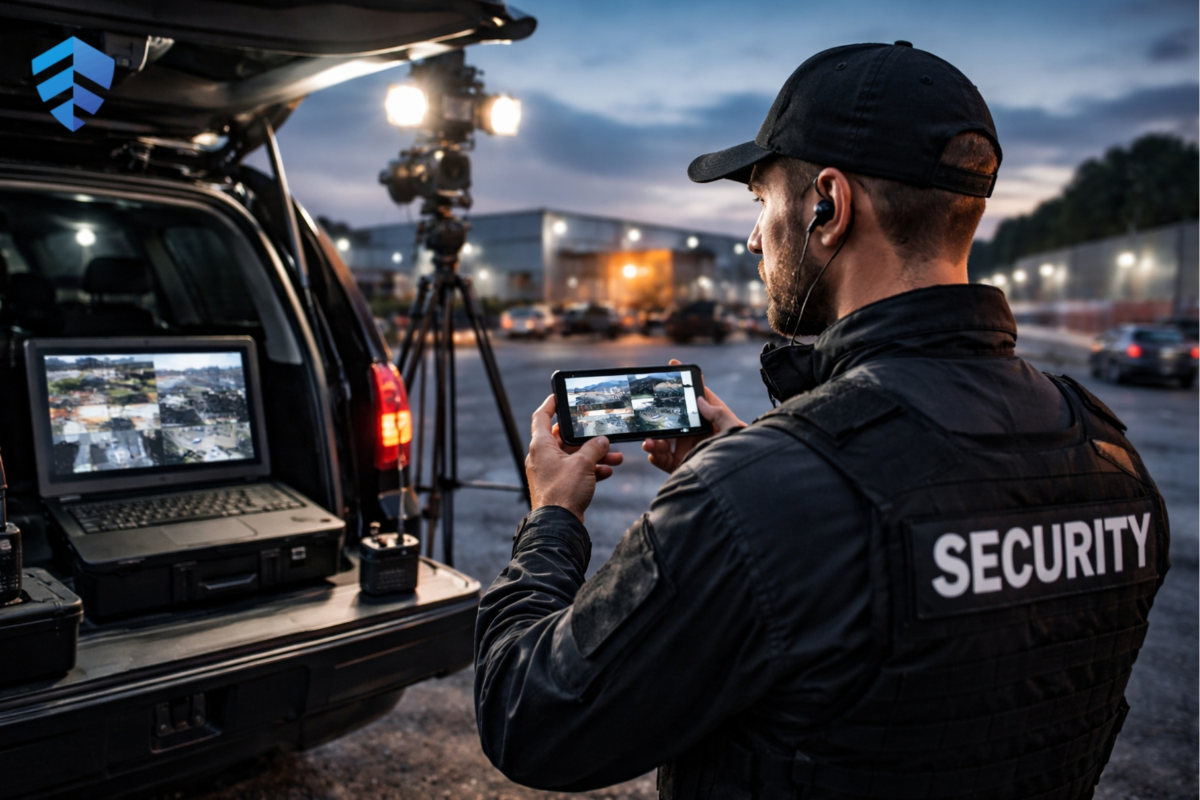
Security issues are more complicated than ever. Although technology such as CCTV cameras and access control systems are taking the centre stage of the discussion, human factor is essential. The professional security staff, particularly well trained specialists such as a Gurkha guard, provide lessons on discipline, alertness, and organized actions that can be utilized in the modern civil security systems. Knowledge on the application of military level discipline to normal property security can assist Malaysian organizations and residents to improve protection in a physical sense.
Effective Discipline in Security
Discipline is one of the characteristics of a Gurkha guard. This practice is not merely of time keeping or of an inflexible schedule, but of being mentally ready, detail conscious, and procedural in following protocols. These principles could be utilized in the context of civil security to enhance patrol habits, emergency reaction and reporting of incidents. By working with a sense of organized discipline, security personnel lessen their human error, enhanced situational awareness and are able to react more promptly to unforeseen events. In the case of residential complexes or commercial buildings in Malaysia, this will spell out the difference between a small security issue and a severe happening.
Ordered Patrols and Risk Analysis
Military training focuses on patientrolling and the constant evaluation of risks. Gurkha guards have been trained to observe small anomalies an odd car parked excessively, behaviors, or small damages, which may signify threats. Using these principles to civil security entails designing specific patrol patterns, taking consistent surveillance of weak areas and keeping detailed observations. To managers and security personnel in Malaysia, the incorporation of organized patrol schedules based on such practices is a guarantee that surveillance will be proactive, and not reactive.
Chain of Command and Communication
An important lesson learnt in the military-trained guards is that there should be good communication and hierarchy. Confusion takes precious time in case of an emergency. Gurkha guards do not have loose communication rules; each of the team members is aware of what they are expected to do and how to escalate in case of misconduct. Civil security systems may follow in the same footsteps by establishing reporting relationships, having real-time reporting channels, and running regular drills. When these approaches are incorporated into Malay organizations, coordination, response rates and confidence rate tend to increase among the residents or employees.
Constant Training and Awareness
The other lesson that civil security can learn with Gurkha guard is the focus on constant training. The military-trained staff members also go through drills to hone down the reflexes, refresh the knowledge of threats, and practice emergencies. In a civil environment, constant training is a guarantee that the security teams are aware of any new threat, whether it be the techniques of intruders or fire risks. Moreover, situational awareness builds up out of habitual practice and observation. The security officers who were trained on this mindset would be more likely to identify risks at an early stage, evaluate threats properly and make sound decisions to stop the escalation.
A Psychological Advantage of Vigilance
Mindset is also influenced by discipline. The Gurkha guards are mentally tough and alert and this enables them to stay calm during times of pressure. The advantages of civil security systems that include such psychological conditioning include the ability of the staff to deal with stress and confrontations and focus on long shifts. In the multicultural city environment of Malaysia where crimes such as petty theft may be common but more complex crimes may also pose a threat, inculcation of alert conscious attitude is priceless.
Conclusion
Technology has the tools of monitoring and automation, but is incapable of human judgment and flexibility. Civil security systems can also improve their effectiveness and stability by learning about the disciplined practices, well-organized communication, ongoing training, and situational awareness of gurkha guards. Introduction of these lessons does not presuppose the total transformation of the process; even minor changes, e.g., structured patrol logs, team exercises, and clear escalation policies, can play a significant role in the improvement of the results.
To sum up, Gurkha guard techniques, and attitude, have more than historical or military appeal, they have practical significances to the contemporary civil security. The introduction of military-level discipline, orderly communication and constant training, and the increased alertness of the situation allows Malaysian security forces and property managers to create the system that is not only technically sound but also solid and adaptive to the real-world threats. The human factor, on the one hand, being trained and ready, is the surest means of defence.